Storage or Instant Electric Water Heater: Which Is Better for a Home?
A practical comparison of storage and instantaneous electric water heaters by capacity, flow demand, electrical supply, installation space, and safety.
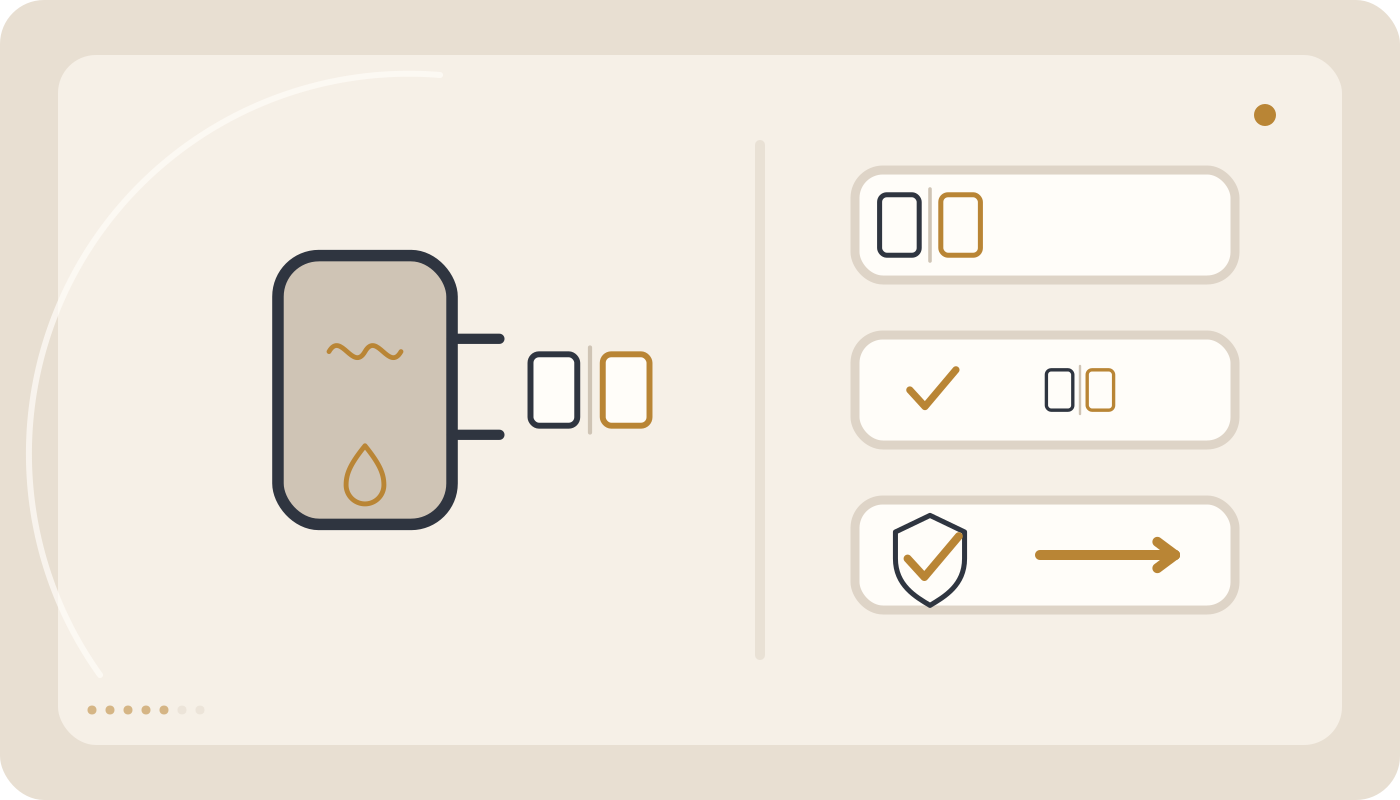
Storage heaters are often simpler when electrical capacity is more limited and stored hot water is useful. Instant heaters fit limited spaces and on-demand use when the building electrical system can safely support their high power. Qualified installation is required.
Storage or Instant Electric Water Heater: Which Is Better for a Home?
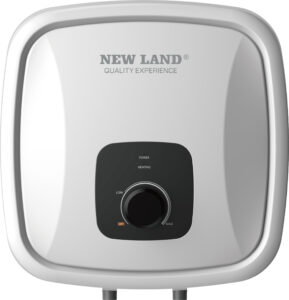
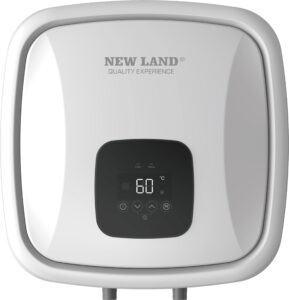
Storage and instantaneous electric water heaters both produce hot water, but they have very different infrastructure requirements. A storage heater heats and holds water, while an instant heater must add heat during water flow.
Quick answer: Storage models are often simpler when electrical capacity is more limited and a reserve of hot water is useful. Instant models suit limited spaces and on-demand use when the building electrical system can safely support the high load. Qualified installation is required for both types.
Quick comparison
| Feature | Storage | Instant |
|---|---|---|
| Operation | Heats and stores water | Heats during flow |
| Space | More | Less |
| Peak power | Usually lower | Usually higher |
| Hot-water limit | Tank volume | Flow and heater power |
| Standby loss | Present | Lower |
1. How storage heaters work
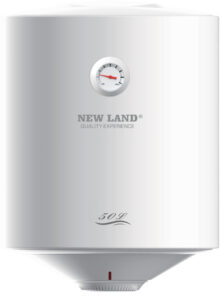
Water is heated inside a tank and stored until needed. Thirty- and fifty-liter classes suit different use patterns.
2. Bigger is not automatically better
Large tanks need more space and keep more water hot.
3. Small tanks can run out
Consecutive showers and simultaneous use can exceed stored capacity.
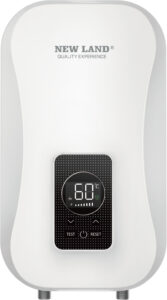
4. Instant heaters do not store hot water
Performance depends on flow, inlet temperature, and heater power.
5. Instant heating needs high peak electrical power
The building electrical service must be assessed before purchase.
6. A normal outlet may not be suitable
High-power models may need a dedicated circuit, correct protection, and grounding.
7. Never guess cable and breaker requirements
A qualified professional should size the circuit according to the product and local rules.
8. Flow rate matters
Higher flow requires more power for the same temperature rise.
9. Colder inlet water increases demand
Winter conditions can reveal whether the heater is properly sized.
10. Simultaneous outlets matter
Verify that the exact product is designed for multi-point use when required.
11. Shower temperature stability matters
Pressure and flow changes can affect outlet temperature.
12. Storage provides short-term buffering
Stored water handles peaks until the tank is depleted.
13. Instant models save space
This advantage matters only when electrical and water requirements are satisfied.
14. Walls must support a full storage tank
Installation planning must include the weight of stored water.
15. Do not alter safety components
Relief valves, temperature protection, and discharge paths must remain correctly installed.
16. Scale affects both designs
Hard water can build deposits on heating and water-path components.
17. Descaling does not follow one universal calendar
Water hardness and usage determine the service interval.
18. Investigate large temperature swings
Flow, pressure, sensing, electrical supply, control, or scale may be involved.
19. Quick selection
| Situation | Likely fit |
|---|---|
| More limited electrical capacity | Storage |
| Very limited installation space | Instant |
| Short consecutive demand | Properly sized storage |
| Continuous demand with strong electrical supply | Properly sized instant |
| Hard water | Both require scale-management planning |
20. Let a qualified installer validate the location
Electrical supply, water pressure, flow, mounting, and drainage should be checked before final selection.
Common mistakes
- Using an ordinary outlet for a high-power instant heater
- Guessing cable and breaker sizes
- Ignoring building electrical capacity
- Blocking pressure relief
- Ignoring simultaneous demand
- Inadequate tank mounting
- Using extension cords
- Ignoring hard-water scale
Conclusion
Compare storage heaters by stored volume and instant heaters by flow demand plus electrical capacity. The right design is the one that fits both the household and the building infrastructure.
Common mistakes
Change only one variable at a time while diagnosing.
- Do not connect a high-power instant heater to an ordinary outlet.
- Do not guess cable and breaker sizes.
- Do not ignore building electrical capacity.
- Do not block pressure relief.
- Do not ignore simultaneous demand.
- Do not mount a storage tank inadequately.
- Do not use extension cords.
- Do not ignore hard-water scale.
Frequently asked questions
What is the main difference between storage and instant heaters?
Storage heaters hold hot water, while instant heaters heat during flow.
Which type needs more electrical power?
Instant heaters generally need much higher peak power.
What tank size fits a family?
It depends on user count, use type, and simultaneous demand.
Does an instant heater need a dedicated circuit?
Many high-power units may require one and should be reviewed by a qualified installer.
How does hard water matter?
Scale can reduce heating and water-path performance.