
User Manual
Usage, maintenance and safety instructions.
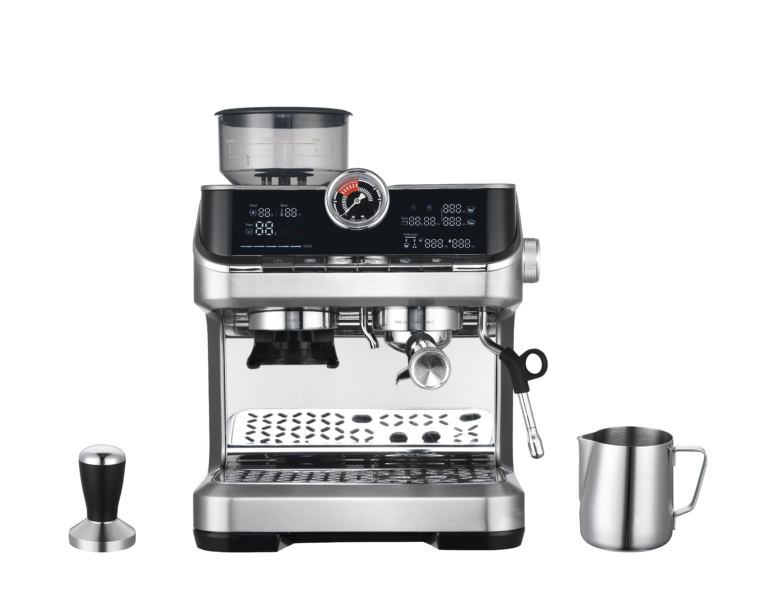
Newland NL-2495BL espresso machine features a 20-bar pump and aluminum boiler for fresh coffee and cappuccino. Comes with one or two stainless steel filters and detachable frothing nozzle.
Click any image to zoom and navigate with arrows.
The Newland NL-2495BL espresso and cappuccino machine offers professional design with a durable die-cast aluminum boiler for high-quality coffee preparation. It features a powerful 20-bar pump made in Italy, stainless steel filters for single or double cup brewing, and a detachable frothing nozzle for milk foam. Safety is ensured with overheat and overpressure protection. The water tank capacity is 1.5 liters and it supports the addition of a water filter. Power consumption ranges from 960 to 1140 watts with a voltage of 220-240V.
Preview each file before downloading. Images include zoom controls and PDFs open in the browser viewer.
Usage, maintenance and safety instructions.
Practical knowledge for better use, care and troubleshooting.
 NEWLAND HOMEWISEWhy Is My Espresso Machine Not Building Pressure? 8 Common Causes and Fixes
If your espresso machine is not building enough pressure, do a few simple checks before assuming the pump has failed. Separate coffee-preparation issues from…
7 min readRead guide → NEWLAND HOMEWISEWhy Does Espresso Have No Crema? 8 Common Causes and Fixes
If your espresso has little or unstable crema, check coffee freshness, grind, dose, distribution, tamp and extraction before blaming the machine.
8 min readRead guide → NEWLAND HOMEWISEWhy Is My Espresso Watery? 8 Common Causes and Fixes
If espresso tastes thin, weak or diluted, check grind size, dose, distribution, tamp and beverage yield step by step before blaming the machine.
8 min readRead guide → NEWLAND HOMEWISEWhy Does Espresso Flow Too Fast From the Portafilter? 8 Causes and Fixes
If espresso runs very fast, pale and thin from the portafilter, check grind, dose, distribution, tamp and basket fit before adjusting the machine.
8 min readRead guide → NEWLAND HOMEWISEWhy Does Espresso Drip Out So Slowly? 8 Common Causes and Fixes
If espresso drips very slowly instead of forming a steady stream, check grind size, dose, distribution, tamp, basket cleanliness and water flow before assuming…
8 min readRead guide → NEWLAND HOMEWISEWhy Does Espresso Taste Sour? 8 Common Causes and Fixes
If espresso tastes sharply sour or underdeveloped, check grind size, flow time, water temperature, beverage ratio, puck distribution and the coffee's natural profile one…
8 min readRead guide → NEWLAND HOMEWISEWhy Does Espresso Taste Bitter? 8 Common Causes and Fixes
If espresso tastes harshly bitter, burnt or drying, check an overly fine grind, slow flow, high temperature, a long beverage ratio, dark roast and…
8 min readRead guide → NEWLAND HOMEWISEWhy Is No Coffee Coming Out of My Espresso Machine? 8 Common Causes and Fixes
If the machine powers on but no coffee comes through the portafilter, check the water tank, priming, grind size, dose, basket blockage, scale buildup…
8 min readRead guide → NEWLAND HOMEWISEWhy Is My Espresso Thin and Weak? 8 Common Causes and Fixes
If your espresso tastes thin or weak, check dose, grind size, beverage yield, coffee freshness, distribution, brewing temperature, basket fit, and machine performance in…
8 min readRead guide → NEWLAND HOMEWISEWhy Is My Espresso Machine Leaking Water? 8 Common Causes and Fixes
If your espresso machine is leaking, identify the exact source first. Common causes include the portafilter seal, group gasket, water tank, drip tray, steam…
8 min readRead guide → NEWLAND HOMEWISEWhy Is My Espresso Machine Steam Wand Not Producing Steam? 8 Common Causes and Fixes
If your espresso machine steam wand is weak or produces no steam, check steam temperature, water supply, a blocked steam tip, purging, and scale…
8 min readRead guide → NEWLAND HOMEWISEWhy Is My Milk Not Frothing Properly? 8 Common Steam Wand Mistakes
Better microfoam depends on more than steam power. Milk temperature, steam tip depth, controlled aeration, circulation, and wand cleanliness all matter.
8 min readRead guide → NEWLAND HOMEWISEWhy Is My Espresso Not Hot Enough? 8 Common Causes and Fixes
If your espresso is lukewarm, check warm-up time, cup and portafilter temperature, beverage volume, and scale before assuming the machine has failed.
8 min readRead guide → NEWLAND HOMEWISEWhy Is My Espresso Machine Making Unusual Noises? 8 Common Causes and Fixes
If your espresso machine suddenly sounds different, check the water tank, trapped air, surface stability, loose parts, grind and dose, scale, and pump performance.
8 min readRead guide → NEWLAND HOMEWISEWhy Does Espresso Flow Unevenly from the Two Portafilter Spouts?
Uneven output from two portafilter spouts is often related to machine level, outlet blockage, coffee distribution, or tilted tamping rather than pump pressure alone.
11 min readRead guide → NEWLAND HOMEWISEWhy Does Espresso Machine Pressure Go Too High?
High espresso pressure usually points to excessive resistance. Check an overly fine grind, excessive dose, puck preparation, blocked basket holes, and scale buildup.
8 min readRead guide → NEWLAND HOMEWISEWhy Does an Espresso Machine Drain Water Into the Drip Tray After Brewing?
Some water in the drip tray after extraction can be completely normal. Timing, volume, and whether water continues collecting while idle help distinguish normal…
8 min readRead guide → NEWLAND HOMEWISEWhy Is the Espresso Portafilter Hard to Lock?
If your portafilter is difficult to lock, check coffee dose, basket rim cleanliness, basket seating, the group gasket, and the locking channels before applying…
8 min readRead guide → NEWLAND HOMEWISEWhy Does Water or Coffee Leak Around the Portafilter?
Leaks around the portafilter usually come from incomplete locking, coffee on the basket rim, excessive dose, a worn group gasket, or excessive pressure.
8 min readRead guide → NEWLAND HOMEWISEWhy Is the Espresso Puck Wet and Loose After Brewing?
A wet espresso puck is not always a fault. Dose, basket size, headspace, grind, puck preparation, removal timing, and machine design all affect puck…
8 min readRead guide → NEWLAND HOMEWISEHow to Descale an Espresso Machine Correctly
Mineral deposits can gradually build up inside an espresso machine. Learn when descaling may be needed, how to approach it safely, and how it…
7 min readRead guide → NEWLAND HOMEWISEHow to Clean the Portafilter, Basket, and Water-Distribution Screen
Coffee particles and oils can build up on the portafilter, basket, and accessible water outlet screen. Learn a practical routine for daily and periodic…
6 min readRead guide → NEWLAND HOMEWISEHow to Set Up and Use an Espresso Machine for the First Time
Before brewing the first cup, an espresso machine should be cleaned, filled, and prepared correctly. This guide covers initial setup, water-path preparation, and common…
7 min readRead guide → NEWLAND HOMEWISEHow to Find the Right Espresso Grind Size
The correct espresso grind is not one universal grinder number. Keep the coffee dose consistent and use small grind adjustments to improve flow, flavor,…
7 min readRead guide → NEWLAND HOMEWISEHow to Choose the Right Coffee Dose for Single and Double Baskets
There is no universal coffee dose for every single or double basket. Use basket capacity, a scale, and consistent preparation to find a repeatable…
7 min readRead guide → NEWLAND HOMEWISEEspresso Brew Ratio Explained Simply
Weighing both the dry coffee and the beverage in the cup gives you a simple way to record and repeat an espresso recipe without…
7 min readRead guide → NEWLAND HOMEWISEEspresso vs Americano vs Latte vs Cappuccino
Espresso is the foundation, Americano adds water, and latte and cappuccino add milk. Learn the structural, flavor, and texture differences between these four popular…
7 min readRead guide → NEWLAND HOMEWISEWhat Water Is Best for an Espresso Machine?
Water affects both espresso flavor and mineral buildup inside the machine. Learn what water hardness means, how filtration matters, and how water quality relates…
7 min readRead guide → NEWLAND HOMEWISEDaily, Weekly, and Monthly Espresso Machine Maintenance
A practical espresso-machine maintenance routine covering daily after-use cleaning, weekly inspection, and monthly checks for water, scale, filters, and performance.
8 min readRead guide → NEWLAND HOMEWISEWhen Should the Group Gasket and Other Wear Parts Be Replaced?
A leak around the portafilter does not always mean the gasket has failed. Learn the practical signs of gasket wear and when espresso-machine service…
8 min readRead guide → NEWLAND HOMEWISEHome Espresso Machine Buying Guide: What Specifications Really Matter?
Do not choose a home espresso machine by pump-pressure numbers alone. Compare temperature stability, heating design, steam performance, grinder needs, portafilter system, maintenance, and…
9 min readRead guide → NEWLAND HOMEWISEWhat Do 15-Bar and 20-Bar Espresso Pump Ratings Really Mean?
A 15-bar or 20-bar rating usually describes maximum pump capability, not constant brewing pressure. Learn why controlled extraction around 9 bar, temperature, and grinding…
7 min readRead guide → NEWLAND HOMEWISEEspresso Machine Heating Systems and Their Effect on Daily Use
How do thermoblocks, single boilers, dual heating, and dual boilers differ? Compare their effects on warm-up time, temperature stability, steaming, and consecutive drinks.
8 min readRead guide → NEWLAND HOMEWISEPressurized vs Non-Pressurized Espresso Baskets
Pressurized baskets are more forgiving for beginners and pre-ground coffee, while non-pressurized baskets require more precise grinding but provide greater extraction control.
7 min readRead guide → NEWLAND HOMEWISE10 Common Beginner Espresso Machine Mistakes and How to Avoid Them
From incorrect grinding and changing several variables at once to insufficient warm-up and poor water management, learn ten common beginner espresso mistakes and how…
8 min readRead guide → NEWLAND HOMEWISESimple Balanced Homemade Iced Coffee with an Espresso Machine
For balanced homemade iced coffee, combine a double espresso with fully cold milk or water, medium ice cubes, and only a small amount of…
10 min readRead guide → NEWLAND HOMEWISEHomemade Cappuccino: Coffee-to-Milk Ratio for a Balanced Cup
For a balanced homemade cappuccino, combine a double espresso with about 100 to 120 milliliters of cold milk textured into a fine glossy microfoam.
11 min readRead guide →Contact Newland for pricing, availability or wholesale purchase.
 Coffee & Tea
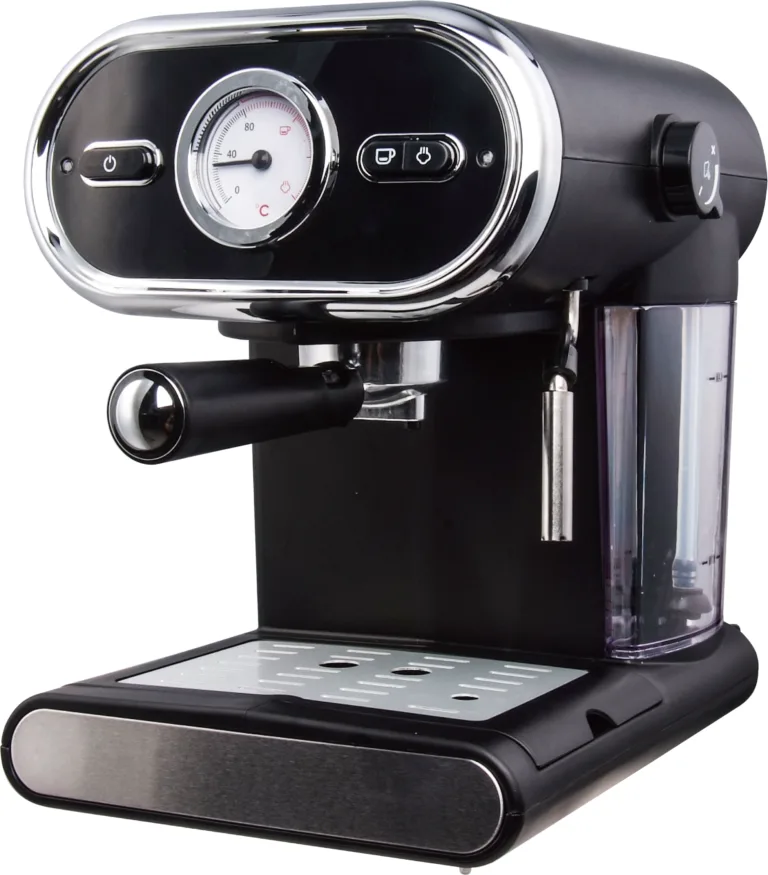
Newland Espresso Machine NL-2494BL delivers fresh and delicious coffee with 15 bar pump pressure and 1100W power. Its detachable transparent water tank is easy to fill and clean.
 Coffee & Tea
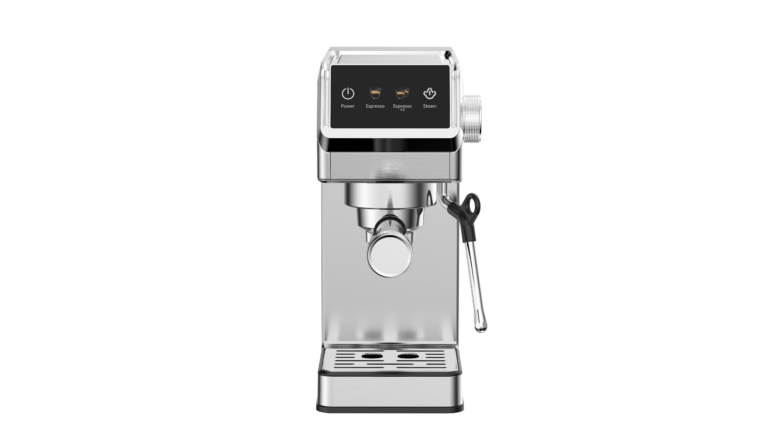
The Newland NL-3126SS coffee maker features a 1450W power and full stainless steel housing. It allows single or double espresso preparation and includes a 1.2L water tank and steam nozzle for milk frothing.
 Coffee & Tea
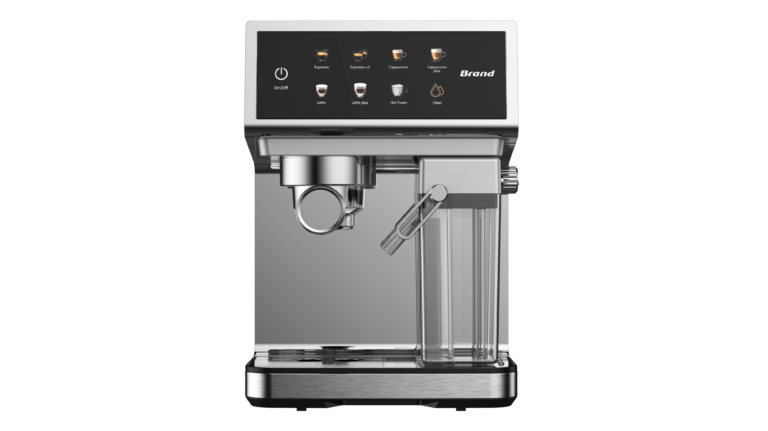
The Newland Coffee Maker NL-3127SS offers 1450W power and a 20-bar pump pressure for delicious coffee and perfect foam. It features a stainless steel body and a detachable water tank.
 Coffee & Tea
Newland Coffee Maker NL-3128SS with 3200W power, stainless steel design, and professional features for fresh and flavorful coffee. Equipped with digital display and precise pressure gauge.
Apply for sales, service or distribution partnership.