
User Manual
Usage, maintenance and safety instructions.
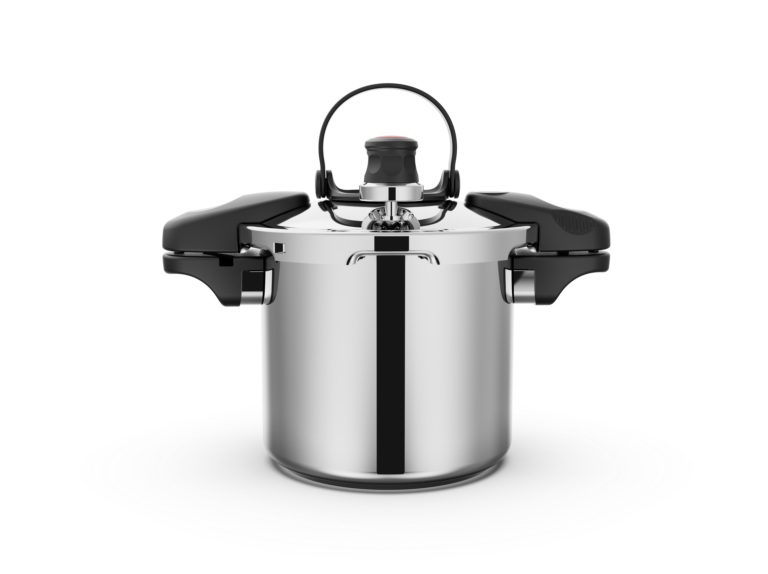
Newland Stainless Steel Pressure Cooker NL-3191-3L has a 3-liter capacity and an 18 cm diameter for fast, controlled pressure cooking. It features a lift-off lid mechanism, multiple pressure-safety components, a compound base and an included glass lid.
Click any image to zoom and navigate with arrows.
Newland Stainless Steel Pressure Cooker NL-3191-3L combines a 3-liter capacity with an 18 cm diameter for everyday pressure cooking. Its stainless steel body is paired with a compound base designed to distribute heat more evenly across the bottom of the cookware. The lid assembly incorporates a pressure limiting valve, safety valve and float valve, while the lift-off opening mechanism is designed for convenient lid operation. A silicone sealing ring supports pressure sealing during cooking. An additional glass lid is included, allowing the pot to be used conveniently outside pressure-cooking mode as well. With its compact 3-liter format, the NL-3191-3L is suited to smaller cooking quantities while providing the essential pressure-control and safety components specified for this model.
Preview each file before downloading. Images include zoom controls and PDFs open in the browser viewer.
Usage, maintenance and safety instructions.
Practical knowledge for better use, care and troubleshooting.
 NEWLAND HOMEWISEHow to Prepare Stainless-Steel Cookware Before First Use
Prepare new stainless-steel cookware by removing packaging, inspecting the pot and lid, washing gently, rinsing thoroughly, drying completely, and starting with controlled heat.
9 min readRead guide → NEWLAND HOMEWISEWhy Does Food Stick to Stainless-Steel Cookware and How Can You Prevent It?
Food usually sticks to stainless steel because of temperature, moisture, oil timing, overcrowding, or moving proteins too early. Learn how to control each factor.
10 min readRead guide → NEWLAND HOMEWISEWhy Does a Cloth Turn Black When Wiping Stainless-Steel Cookware?
Dark transfer from new stainless cookware can come from polishing compound, fine manufacturing debris, or surface contamination. Learn how to clean, retest, and recognize…
10 min readRead guide → NEWLAND HOMEWISEWhat Are Rainbow Stains on Stainless Steel and How Do You Remove Them?
Blue, purple, and gold rainbow marks on stainless cookware are usually heat tint rather than rust. Learn why they form, how to clean them,…
9 min readRead guide → NEWLAND HOMEWISEWhat Are White Spots on Stainless Steel and How Do You Remove Them?
White chalky marks on stainless cookware are usually mineral deposits from water. Learn what causes them, how to remove them safely, and how to…
9 min readRead guide → NEWLAND HOMEWISEHow to Clean Burnt Cookware Without Damaging It
Soften burnt residue before removing it. This guide explains safe cleaning methods for bare stainless, nonstick, and ceramic cookware without aggressive scraping.
10 min readRead guide → NEWLAND HOMEWISEHow to Use and Care for Nonstick and Ceramic Cookware
A practical care guide for nonstick and ceramic cookware covering heat control, compatible utensils, gentle cleaning, drying, and protected storage.
10 min readRead guide → NEWLAND HOMEWISEHow to Prevent Scratches on Nonstick Cookware
Prevent nonstick scratches by using compatible utensils, gentle cleaning, clean soft separators, and avoiding hard particles or direct cookware-to-cookware contact.
8 min readRead guide → NEWLAND HOMEWISEWhat Should You Do If Nonstick Coating Is Scratched or Peeling?
Learn how to distinguish a superficial mark from deep coating damage, exposed substrate, cracking, or peeling, and when replacement is the more conservative choice.
9 min readRead guide → NEWLAND HOMEWISEHow to Check Whether Cookware Is Induction Compatible
Do not rely on appearance or stainless construction alone. Check the induction marking, magnet response, effective base diameter, and flatness before use.
9 min readRead guide → NEWLAND HOMEWISEWhat Is the Difference Between 304 and 430 Stainless Steel in Cookware?
304 and 430 stainless steel serve different cookware roles. Compare corrosion resistance, magnetism, nickel content, food-contact interiors, and induction-compatible outer layers.
10 min readRead guide → NEWLAND HOMEWISEHow Does Multi-Layer Stainless-Steel and Aluminum Cookware Spread Heat?
In clad cookware, stainless steel provides durability while an aluminum core spreads heat faster. Learn how layer thickness, bonding, and base design affect hot…
10 min readRead guide → NEWLAND HOMEWISEWhat Cookware Size Is Right for Your Family?
Choose cookware size from household size, actual capacity, cooking style, batch volume, base diameter, and cooktop dimensions rather than people count alone.
10 min readRead guide → NEWLAND HOMEWISEPressure Cooker Safety: What Should You Check Before Every Use?
Before every pressure-cooker use, inspect the vent, valves, gasket, lid lock, handles, liquid level, and maximum fill. Use this practical pre-cooking safety checklist.
11 min readRead guide → NEWLAND HOMEWISEWhy Is My Pressure Cooker Not Building Pressure?
If a pressure cooker does not build pressure, check liquid, lid sealing, gasket condition, regulator position, steam path, pressure indicator, and heat input using…
10 min readRead guide → NEWLAND HOMEWISEWhy Is Steam Leaking Around the Pressure Cooker Lid?
Persistent steam around a pressure-cooker lid usually indicates incomplete sealing. Check the gasket, gasket channel, pot rim, locking mechanism, and possible lid distortion safely.
10 min readRead guide → NEWLAND HOMEWISEHow Should You Clean and Inspect a Pressure Cooker Valve and Gasket?
Clean pressure-cooker valves, steam passages, and the gasket only when fully cool and depressurized. Learn how to inspect blockage, valve movement, gasket damage, and…
10 min readRead guide →Contact Newland for pricing, availability or wholesale purchase.
 Cookware
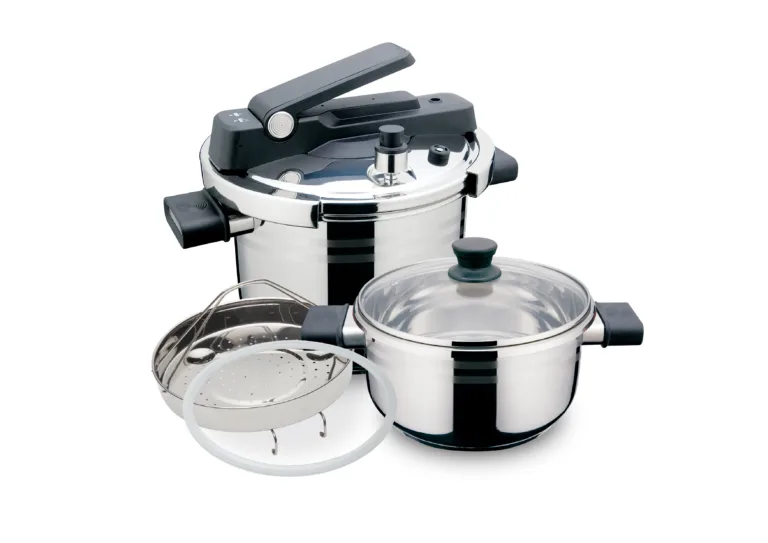
Newland Stainless Steel Pressure Cooker Set NL-3116-47 includes two 22 cm pressure cookers with 4-liter and 7-liter capacities. The set also includes a glass lid and is designed for everyday household pressure cooking.
 Cookware
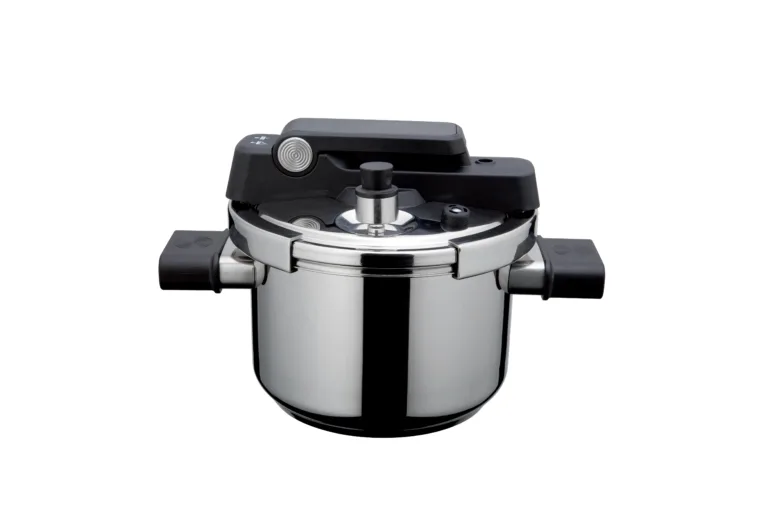
Newland Stainless Steel Pressure Cooker NL-3192-4L has a 4-liter capacity and a 22 cm diameter for everyday pressure cooking. It features pressure-control and safety components, a silicone sealing ring, a lift-off lid mechanism and an included glass lid.
 Cookware
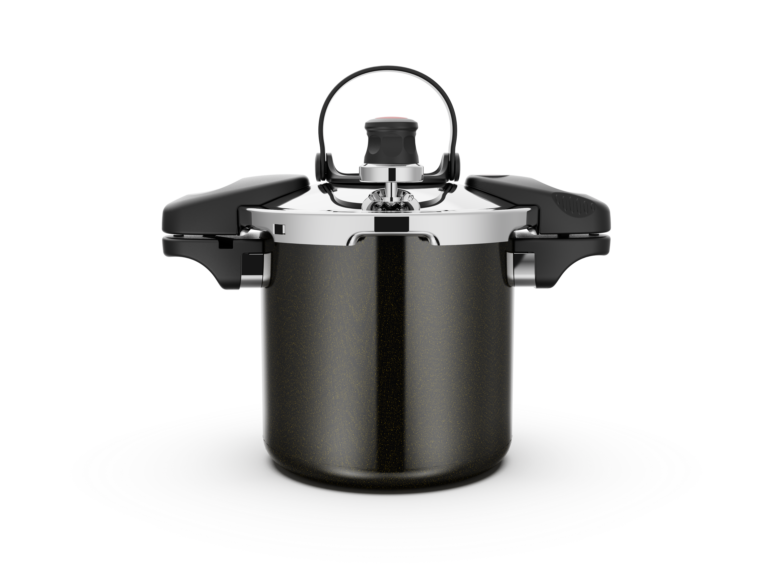
Newland stainless steel pressure cooker NL-3114BS with 2L capacity is suitable for all heat sources. It features multiple safety systems and a durable body.
 Cookware
Newland NL-3114SS pressure cooker is made of food-grade SUS 304 stainless steel, compatible with all heat sources. It features 100kPa working pressure and multiple safety pressure settings.
Apply for sales, service or distribution partnership.