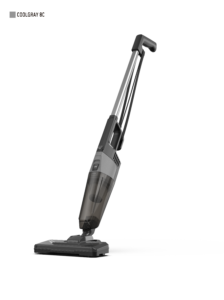
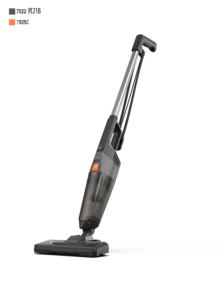
Bagged, Bagless, or Stick Vacuum: Which Is Right for You?
Compare bagged, bagless, and stick vacuums by home size, carpet, pets, filtration, capacity, weight, battery runtime, and ownership cost.

For large homes and deep cleaning, bagged or bagless corded vacuums are often more suitable. For quick daily cleaning and small apartments, stick vacuums are more convenient. If dust exposure during disposal matters, consider a well-designed bagged system.
Bagged, Bagless, or Stick Vacuum: Which Is Right for You?
No single vacuum format is best for every home. Bagged, bagless canister, and stick vacuums differ in dust capacity, disposal, weight distribution, daily convenience, deep-cleaning suitability, storage requirements, and ongoing ownership costs.
Quick answer: For large homes and long deep-cleaning sessions, a bagged or bagless corded vacuum is often the safer choice. For quick daily cleaning, small apartments, and immediate pickup, a cordless stick vacuum is more convenient. If dust exposure during disposal is a concern, a well-designed sealed bag system generally minimizes direct contact with collected dust.
Quick comparison
| Criterion | Bagged | Bagless | Stick |
|---|---|---|---|
| Long deep cleaning | Very suitable | Very suitable | Depends on model and battery |
| Quick daily cleaning | Moderate | Moderate | Excellent |
| Clean dust disposal | Usually better | Bin must be emptied | Bin must be emptied |
| Disposable bag cost | Yes | No | No |
| Dust capacity | Usually high | Medium to high | Usually lower |
| Weight carried in hand | Main body stays on floor | Main body stays on floor | More mass is carried by the user |
| Cord limitation | Usually yes | Usually yes | No on cordless models |
| Runtime limitation | No while connected to power | No while connected to power | Depends on battery and power mode |
1. How does a bagged vacuum work?
Collected dirt enters a replaceable bag. The bag contains debris and, in many designs, also contributes to the filtration process. It is replaced when it reaches the recommended fill level.
2. Main advantage of a bagged vacuum
A well-designed bag system can reduce direct contact with collected dust during disposal, particularly when the bag seals its inlet. Bag capacity is also useful for long cleaning sessions.
3. Main disadvantage of a bagged vacuum
Bags are consumables and the correct type must remain available. An incorrect or overfilled bag can affect airflow and performance.
4. How is a bagless vacuum different?
Dust collects in a reusable container, often with cyclonic separation helping remove particles from the airflow. The bin is emptied rather than replaced.
5. Main advantage of a bagless vacuum
There is no recurring bag purchase, and users can usually see the amount of collected debris directly.
6. Main disadvantage of a bagless vacuum
Fine dust can become airborne during emptying, especially if the bin is shaken aggressively. The bin and cyclone assembly also require correct maintenance.
7. What is a stick vacuum best at?
Its greatest advantage is immediate access and mobility. Picking up kitchen crumbs, hair, and everyday dust can be much faster than preparing a larger corded vacuum.
8. Can a stick vacuum be the only vacuum in a home?
For some homes, yes. The answer depends on floor area, carpet coverage, actual cleaning performance, bin capacity, battery runtime, and charging access. Large carpeted homes require closer attention to sustained runtime and floor-head performance.
9. Should motor wattage be compared directly?
Motor input wattage alone does not define cleaning quality. Air-path design, floor head, brush, sealing, filtration, and delivered suction all contribute to real performance.
10. What works best for a large home?
If a full-home cleaning session takes a long time, a corded bagged or bagless vacuum offers continuous operation and typically greater debris capacity. A stick vacuum can still be an excellent daily companion.
11. What about a small apartment?
A stick vacuum can be attractive because it stores compactly, starts quickly, and cordless versions avoid cable management. A suitable model may cover most routine cleaning in a smaller home.
12. What about homes with extensive carpet?
Floor-head design matters more than the general vacuum category. Look for suitable powered-brush performance, stable suction, and smooth movement on carpet. For cordless models, check runtime at the power level actually needed.
13. What about tile and parquet?
All three formats can work well with the correct floor head. On parquet, soft contact surfaces and clean wheels and rollers help prevent hard grit from scratching the floor.
14. What is best for a home with pets?
The vacuum format alone does not decide this. Anti-tangle brush design, upholstery tools, effective filtration, easy bin or bag disposal, and accessible brush maintenance are often more important.
15. What about households sensitive to dust?
A good bagged system can reduce direct dust exposure during disposal. For bagless and stick models, examine bin-emptying design and the sealing of the filtration system.
16. Consider weight distribution, not only total weight
With traditional floor vacuums, the motor and dust container remain on the floor. With many stick vacuums, more mass is held near the user’s hand. Users sensitive to wrist or shoulder fatigue should consider real operating balance.
17. Stairs and above-floor cleaning
Stick and handheld configurations are convenient for stairs, curtains, furniture, and elevated surfaces. Traditional vacuums depend more on hose length, body weight, and accessory design.
18. How important is bin capacity?
A small bin requires more frequent emptying, particularly in homes with pets, extensive carpet, or larger families. Greater capacity can also increase overall size and weight.
19. How should noise be compared?
Look at stated sound levels when available, but also consider the character of motor, powered-brush, and airflow noise. Two vacuums with similar measurements can sound different in use.
20. Ownership cost is more than purchase price
Bags, replacement filters, brush parts, and cordless-vacuum batteries may create costs over the product’s life. Check the availability of model-specific consumables before purchase.
Choose by lifestyle
| Your situation | Worth considering first | Why |
|---|---|---|
| Large home and deep weekly cleaning | Bagged or bagless | Capacity and long operation |
| Small apartment | Stick | Fast access and compact storage |
| Dust exposure during disposal is a concern | Well-designed bagged system | Less direct contact with collected dust |
| Pets | Any type with the right brush and filtration | Tool design matters more than format |
| Extensive carpet | Model with an appropriate carpet head | Brush and suction performance are critical |
| Cleaning several times per day | Stick | Very fast startup |
Does owning two vacuums make sense?
For some households, yes. A corded vacuum for deep cleaning plus a stick vacuum for daily pickup can be more practical than expecting one machine to be perfect for every scenario.
Common buying mistakes
- Choosing only by motor wattage.
- Ignoring weight distribution in the hand.
- Buying a cordless stick without checking realistic runtime.
- Ignoring the availability and cost of bags, filters, or replacement batteries.
- Choosing the wrong floor head for carpet or parquet.
- Assuming a larger bin is always better.
- Considering suction without filtration quality.
- Buying for appearance rather than the household’s real cleaning routine.
Answer these eight questions before buying
- How large is the home?
- How much of the floor is carpeted?
- Are there pets?
- Is dust exposure during emptying a concern?
- How often do you vacuum?
- How much storage space is available?
- Is weight in the hand important?
- Are the correct consumables and filters readily available?
Summary
Bagged vacuums are strong choices for capacity, long sessions, and controlled disposal. Bagless vacuums eliminate disposable bags and make debris levels visible. Stick vacuums excel at speed, mobility, and everyday cleaning. The right choice starts with the home’s actual cleaning routine, not simply which technology appears newer.
Choose from the cleaning routine, not the category name
Deep whole-home cleaning, quick daily pickup, stairs, carpets and dust sensitivity place different demands on a vacuum. Capacity, weight, filtration and running cost should be considered together.
Common mistakes
Change only one variable at a time while diagnosing.
- Do not choose only by motor wattage.
- Do not ignore real weight distribution in the hand.
- Check realistic cordless runtime at the power level you need.
- Consider the cost and availability of bags, filters, and batteries.
- Do not use the wrong floor head for carpet or parquet.
- Do not evaluate suction without filtration quality.
- Do not buy only for appearance.
Frequently asked questions
Which type is better for a large home?
A corded bagged or bagless vacuum is often more suitable for long sessions and greater capacity.
What about a small apartment?
A stick vacuum is attractive for fast access and compact storage.
Which is better if dust exposure during emptying is a concern?
A suitable bagged system can reduce direct contact during disposal; filtration and sealing also matter.
Which is best for pets?
Anti-tangle brush design, upholstery tools, and effective filtration matter more than the general vacuum format.
Does higher wattage mean better suction?
No. Motor input wattage alone does not determine cleaning performance.
Can a stick vacuum be the main vacuum?
Yes in some homes, but floor area, carpet coverage, bin capacity, and realistic runtime must be considered.