What Features Make a Vacuum Better for Homes with Pets?
For homes with cats or dogs, anti-tangle brush design, carpet and upholstery tools, effective filtration, adequate capacity, and easy maintenance matter more than a Pet label.
For pet homes, prioritize hair-resistant brush design, powered carpet and upholstery tools, effective filtration with good airflow sealing, adequate capacity, and easy brush and filter maintenance rather than relying on a Pet marketing label.
What Features Make a Vacuum Better for Homes with Pets?
In a home with cats or dogs, visible hair is only part of the cleaning challenge. Hair can wrap around the brush roll, embed in carpet and upholstery, collect in corners, and fill a dust bin quickly. A good pet-home vacuum therefore needs a combination of effective brush design, filtration, airflow, easy disposal, and simple maintenance.
Quick answer: Do not choose only because a vacuum is labeled “Pet.” Look for a brush roll that resists hair wrapping, a powered carpet head, a useful upholstery tool, effective multi-stage filtration with good airflow sealing, adequate dust capacity, and easy access for brush and filter maintenance.
Quick buying checklist
| Feature | Why it matters | What to check |
|---|---|---|
| Anti-tangle brush design | Reduces hair wrapping | Roll design and cleaning access |
| Powered floor head | Improves hair pickup from carpet | Real performance on your carpet type |
| Upholstery tool | Hair remains on sofas and chairs | Tool width, brush action, and control |
| Effective filtration | Reduces fine-particle recirculation | HEPA or suitable filter plus airflow sealing |
| Adequate bin or bag | Hair occupies considerable volume | Capacity and disposal convenience |
| Easy maintenance | Brushes and filters need more attention | Access to roller and filters |
| Carpet performance | Hair can remain between carpet fibres | Floor-head design, not just wattage |
1. Why is pet hair challenging for a vacuum?
Long hair can wrap around brush rolls and axles, short stiff hair can embed in carpet or fabric, and light fur can collect along edges and under furniture. High suction alone does not solve every one of these problems.
2. What does an anti-tangle brush actually do?
Anti-tangle designs attempt to strip hair from the roller or reduce wrapping. No design is guaranteed to remain completely hair-free in every condition, so easy brush access still matters.
3. What matters with long pet or human hair?
Long strands are particularly likely to wind around the roller ends. Inspect the end-cap and bearing areas because tightly packed hair can increase rotational resistance.
4. What floor head is useful for carpet?
A powered head with an appropriate roller can agitate carpet fibres and release hair. On deep-pile carpet, however, the head must move without excessive suction lock or brush stalling.
5. What about tile and parquet?
A hard-floor head should collect hair and debris without scattering it. On parquet, keep the roller and wheels free of grit that could scratch the surface.
6. Do not forget sofas, beds, and chairs
A significant amount of pet hair can remain on upholstery. A mini motorized tool or suitable upholstery tool can provide better control than a large floor head.
7. Is HEPA important in a pet home?
Effective filtration matters because pet-related cleaning involves more than visible hair. Fine dust and small particles can enter the airflow. HEPA can be part of a good filtration system, but the sealing of the airflow path also matters.
8. Does HEPA remove pet odor?
No. HEPA primarily targets particles. Activated carbon or other technology may be used for some odors. Keeping the bin, brush, and filters clean is also important because retained organic material can become an odor source.
9. Bagged or bagless for pets?
Both can work well. A good bagged system can reduce direct dust exposure during disposal. A bagless system eliminates disposable bags and makes hair accumulation visible, but the bin should be emptied carefully.
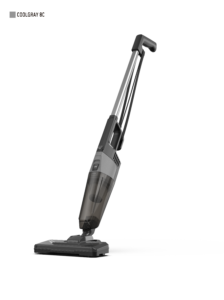
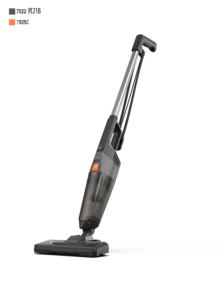
10. Is a stick vacuum suitable for pet hair?
It can be excellent for daily pickup because it is immediately accessible. If it will be the primary vacuum, check powered-brush runtime, bin capacity, and carpet performance.
11. Why does dust capacity matter more with pets?
Hair occupies a large volume. A small bin may need to be emptied several times during one cleaning session in a multi-pet household.
12. Respect the MAX fill line
Hair and lint can compact in the container and restrict airflow. Empty the bin before it exceeds the recommended fill level.
13. Is more suction always better?
No. Suction without an effective floor head may not release embedded hair. Brush design, floor contact, airflow, and smooth movement all contribute to pickup.
14. Is motor wattage the main buying criterion?
No. Input wattage describes electrical consumption and does not by itself define hair pickup, floor-head performance, or airflow efficiency.
15. How should cordless runtime be evaluated?
Maximum advertised runtime is often measured under light operating conditions. For pet cleaning, runtime with the powered floor head and the power level you actually use is more relevant.
16. Brush maintenance in a pet household
Inspect the roller regularly and remove wrapped hair before it packs tightly around the ends. Excess resistance can reduce brush performance and increase energy consumption.
17. Filters may require more frequent attention
Higher hair and dust loads can justify more frequent filter inspection. Maintain filters according to the model instructions and completely dry any approved washable filter before installation.
18. What changes in a multi-pet home?
Capacity, disposal speed, brush access, and daily maintenance become even more important. A vacuum adequate for one pet in a small apartment may require frequent servicing in a large multi-pet home.
19. What if most hair is on furniture?
An upholstery or mini powered tool may matter more than the main floor head. Also consider handheld balance and control.
20. What if the home has both carpet and parquet?
Choose a system that makes switching between suitable hard-floor and carpet settings or heads easy. One aggressive setting is not ideal for every surface.
A practical pet-home cleaning routine
- Vacuum high-traffic areas and pet sleeping zones more frequently.
- Remove hair before it becomes tightly wrapped around the roller.
- Empty the bin before the MAX line.
- Use the appropriate tool on upholstery.
- Inspect filters according to the model schedule.
- Use a crevice tool along edges and under furniture.
- Follow the product instructions if prohibited or damp material is accidentally collected.
Ask these ten questions before buying
- How resistant is the brush roll to hair wrapping?
- How easily can the roller be removed for cleaning?
- Is there a mini powered upholstery tool?
- Does the floor head move well on your carpet type?
- How effective and well sealed is the filtration system?
- Is the bin or bag capacity adequate?
- How cleanly can the bin be emptied?
- Are replacement filters readily available?
- For cordless models, what is runtime with the powered head?
- How easy is it to remove hair from the roller ends?
Common mistakes
- Buying only because “Pet” appears on the packaging.
- Focusing on wattage while ignoring brush design.
- Failing to clean the ends of the brush roll.
- Overfilling the bin with hair and lint.
- Ignoring upholstery tools.
- Assuming HEPA removes every odor.
- Comparing maximum runtime with real carpet use.
- Using one floor head for every surface.
Can two vacuums be a practical combination?
In a large or heavily carpeted home, a strong primary vacuum for deep cleaning plus a stick vacuum for daily hair pickup can be very practical. In a small apartment, a capable stick vacuum with a powered brush and effective filtration may be sufficient by itself.
Summary
The best vacuum for a pet household is not necessarily the one with the highest wattage or the word “Pet” on the box. Hair-resistant brush design, suitable carpet and upholstery tools, effective filtration, adequate capacity, and easy maintenance are more meaningful criteria. Choose a vacuum that is easy enough to maintain and use frequently.
Ease of brush cleaning matters in pet homes
Hair can wrap around a powered brush quickly. Easy access to the roller and suitable tools for carpets and upholstery can matter more in daily use than a pet-specific marketing label.
Common mistakes
Change only one variable at a time while diagnosing.
- Do not buy only because the packaging says Pet.
- Do not use motor wattage as the only criterion.
- Do not forget to clean both ends of the brush roll.
- Do not overfill the bin with hair and lint.
- Do not ignore upholstery tools.
- Do not assume HEPA removes every odor.
- Do not compare maximum runtime with real carpet use.
- Do not use one floor head for every surface.
Frequently asked questions
Do I really need a vacuum labeled Pet?
Not necessarily. Brush design, tools, filtration, and maintenance are more important than the label.
What matters for pet hair on carpet?
A suitable powered head and roller that can release hair from carpet fibres.
Is HEPA useful in a pet home?
Effective filtration helps reduce fine-particle recirculation, but airflow sealing also matters.
Is a stick vacuum good for pet hair?
Yes, especially for daily pickup, but check powered-head runtime, capacity, and carpet performance.
Is bagged or bagless better?
Both can work well; bagged systems can provide more controlled disposal while bagless designs eliminate disposable bags.
Does higher wattage mean better pet-hair pickup?
No. Brush, floor-head, airflow, and suction performance work together.