
How to Safely Clean Motor Bases and Electrical Parts of Food-Prep Appliances
Learn how to safely clean motor bases, controls, vents, drive areas, and powered housings on blenders, choppers, immersion blenders, juicers, and stand mixers.

Unplug the appliance, remove detachable food-contact parts, and wipe the powered section only with a soft barely damp cloth. Never pour or spray liquid onto the motor housing, controls, vents, or drive area, and do not reconnect power until everything is completely dry.
Before you start
How to Safely Clean Motor Bases and Electrical Parts of Food-Prep Appliances
The motor base of a blender or juicer, the powered top of a chopper, the motor handle of an immersion blender, and the main body of a stand mixer are normally electrical, non-washable parts. Unplug the appliance, wait for all movement to stop and for the unit to cool, then wipe the exterior with a soft, slightly damp cloth. Never immerse a motor unit or spray water or cleaner directly onto it.
Quick answer: Unplug first. Remove washable food-contact parts according to the manual. Wipe the motor base or powered housing with a soft, barely damp cloth and use a soft dry brush around accessible seams and vents. Keep water, foam, and cleaner away from switches, ventilation openings, drive couplings, sockets, and the underside. Do not reconnect power until everything is completely dry.
Which parts are normally not washable?
| Appliance | Typical non-washable electrical part | Usual safe method |
|---|---|---|
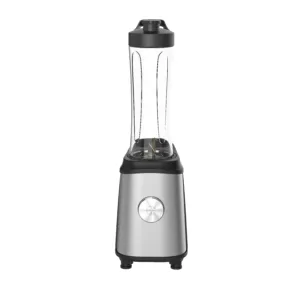
| Countertop blender | Motor base and control panel | Soft slightly damp cloth, then dry |
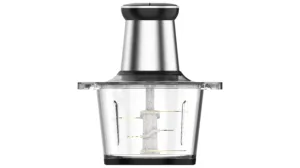
| Chopper | Powered top or motor unit | Exterior wipe only; no direct water |
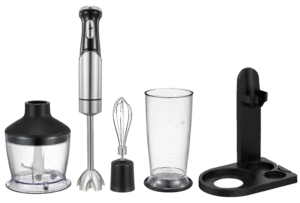
| Immersion blender | Motor handle | Damp cloth; wash detachable shaft only as instructed |
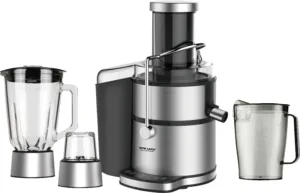
| Juicer | Motor base and controls | Wipe the body and keep shaft areas dry |
| Stand mixer | Motor head, body and controls | Soft cloth; dry brush for exterior seams |
1. Disconnect power first
Before removing a part, wiping a surface, or placing your hand near a blade or drive point, unplug the appliance from the outlet. Switching the appliance off is not the same as disconnecting it from mains power.
2. Wait for all moving parts to stop
Blades, shafts, and rotating tools can continue moving briefly after switch-off. Confirm complete stop before opening or cleaning the appliance.
3. Allow a warm motor to cool
After a long or heavy run, the motor housing may be warm. Cleaning after it cools is safer and reduces the chance of moisture reaching a hot internal area.
4. Separate washable parts from the powered section
Remove jars, bowls, blades, filters, shafts, and mixer tools only in the way specified for the model. This keeps food-contact parts available for proper washing while the powered section stays away from water.
5. Never rinse the motor base under a tap
A plastic or metal exterior can hide a motor, wiring, switches, and electronics directly underneath. Running water can enter through seams and openings.
6. Do not spray cleaner directly onto the appliance
If a mild cleaning solution is needed, apply a small amount to the cloth rather than the housing. Wring the cloth so that it is damp, not dripping.
7. Use a soft lint-free cloth
A soft clean cloth is usually sufficient. Avoid dripping cloths, abrasive pads, metal scrubbers, or scraping tools that can damage surfaces, labels, or switch covers.
8. Remove fresh splashes promptly
Juice, sauce, flour, and dough residue become harder to remove after drying and can collect around seams. Once the appliance is unplugged, wipe fresh splashes before they harden.
9. Do not soak the motor base to soften dried residue
For dried residue, hold a barely damp cloth against the external spot briefly, then wipe gently. Do not pour water onto the housing or let liquid run toward openings.
10. Use minimal moisture around switches and controls
Switches and control-panel edges can allow liquid entry. Use an almost-dry cloth in these areas and finish with a dry cloth.
11. Keep ventilation openings dry
Many motor housings use vents for cooling. Remove loose crumbs around them with a soft dry brush or dry cloth, but do not push liquid or cleaner into the openings.
12. Do not clean seams with metal objects
Knives, needles, screwdrivers, and wire can damage insulation, switches, seals, and hidden components. Use a soft brush, the edge of a cloth, or a non-metal tool specifically approved by the manual.
13. Keep the jar or bowl mounting area clean
Food particles can collect where a jar, bowl, or blade assembly sits on the motor base. With power disconnected and removable parts taken off, wipe this area with minimal moisture and dry it thoroughly.
14. Do not pour water onto drive shafts or couplings
Mechanical drive points are often close to the internal motor area. Use very little moisture on exposed surfaces and prevent liquid from pooling around them.
15. What if liquid enters the motor base?
Do not power the appliance on. Keep it unplugged and avoid aggressive shaking or direct heat. If liquid may have entered the electrical housing, have the appliance assessed by authorized service before use.
16. Avoid direct heat for drying
High heat from a hair dryer, heater, or hot surface can damage plastics, adhesives, insulation, and internal components. Natural drying in normal airflow is the safer approach.
17. Inspect the power cord and plug
While cleaning, check for cuts, cracking, crushing, or looseness. If visible damage is present, do not use the appliance again until it has been properly assessed.
18. Never handle the plug with wet hands
Your hands, the plug, and the outlet area should be dry before unplugging or reconnecting the appliance. The plug itself should not be washed.
19. Cleaning a stand-mixer body
Wash the bowl and tools separately as the manual allows, but wipe the motor head and main body only. Pay attention to the tool-mounting area and exterior ledges where flour or dough residue can collect.
20. Cleaning a blender base
After removing the jar, wipe the top surface of the motor base and the area around the jar seat. If liquid has spilled, clean it before it dries and do not let it pool around the drive connection.
21. Cleaning a chopper motor unit
On designs where the motor sits on the lid or upper section, do not assume that part is washable. The bowl and blade may be cleaned separately, while the powered unit normally receives exterior wiping only.
22. Cleaning an immersion-blender motor handle
Detach the blending shaft as instructed. The handle containing the motor and switches should not be immersed or rinsed. Wipe the coupling area carefully with minimal moisture and dry it.
23. Cleaning a juicer motor base
Filters, pulp containers, and food-contact parts are usually removable, but the motor base must stay dry. Wipe juice or fruit residue from the top mounting area promptly so it does not migrate into seams.
24. Can alcohol or solvents be used?
Only when the manufacturer explicitly permits them for that model. Some solvents can dull labels, soften plastics, or damage glossy finishes. For routine care, a soft cloth with minimal water or mild cleaner is the more conservative choice.
25. Strong bleach is usually unnecessary
The motor base normally does not contact ready-to-eat food directly. The goal is to remove splashes, grease, and residue from the exterior without damaging the finish or allowing liquid inside.
26. Do not forget the surface underneath
With power disconnected, carefully move the appliance if its design allows and clean the work surface beneath it. Food residue or moisture trapped below the base can create odor and hygiene problems.
27. Keep non-slip feet clean
Grease and flour on the feet can reduce grip. Wipe them with a slightly damp cloth and dry completely before returning the appliance to use.
28. Before reconnecting power
- No visible moisture should remain around controls, seams, or drive points.
- Your hands and the plug should be dry.
- All removable parts should be correctly reinstalled.
- The power cord should show no visible damage.
- No food particles should obstruct the mounting area.
29. When should you avoid switching the appliance on?
Do not power it on if liquid entered the housing, there is a burnt smell, controls became wet, the cord is damaged, or unusual noise appears after cleaning. Arrange technical inspection instead.
30. A simple after-use cleaning routine
| Step | Action |
|---|---|
| 1 | Switch off and unplug |
| 2 | Remove washable food-contact parts |
| 3 | Wipe fresh splashes from the motor base with a barely damp cloth |
| 4 | Clean exterior seams and vents with a soft dry brush |
| 5 | Finish with a dry cloth |
| 6 | Reassemble only when everything is fully dry |
Common mistakes
- Rinsing the motor base under running water
- Spraying cleaner directly onto controls
- Using a dripping cloth
- Cleaning while the appliance is plugged in
- Immersing an immersion-blender motor handle
- Washing a powered chopper top with the bowl
- Pouring water around a drive coupling
- Pushing metal objects into seams
- Using excessive heat to dry the appliance
- Powering on a unit that may contain internal moisture
Conclusion
The basic rule is simple: food-contact parts may be removable and washable, while any section containing a motor, power cord, switch, or electronics should generally remain dry. Unplug first, wipe with a soft barely damp cloth, use a dry soft brush for accessible exterior gaps, and wait until everything is fully dry before use. If liquid has entered the electrical housing or there is any sign of damage, do not power the appliance on.
Common mistakes
Change only one variable at a time while diagnosing.
- Do not rinse a motor base under a tap.
- Do not spray cleaner directly onto controls.
- Do not use a dripping cloth.
- Do not clean while the appliance is plugged in.
- Do not immerse an immersion-blender motor handle.
- Do not wash a powered chopper top with the bowl.
- Do not pour water around drive couplings.
- Do not push metal objects into seams.
- Do not use extreme heat for drying.
- Do not power on an appliance if liquid may have entered the electrical housing.
Frequently asked questions
Can I wash a blender motor base?
No. The motor base should normally be wiped with a soft barely damp cloth and should not be rinsed or immersed.
Is a chopper motor unit washable?
Usually not. The bowl and blade may be washable separately, but the powered section should stay dry.
Can I rinse an immersion-blender motor handle?
No. The section containing the motor and switches should not be rinsed or immersed.
How should I clean ventilation openings?
Remove loose exterior debris with a soft dry brush and keep liquid out of the openings.
What if water enters the motor base?
Do not power the appliance on. Arrange an authorized service assessment before reuse.
Can I spray cleaner directly onto the housing?
It is safer to apply a small amount to the cloth so liquid is less likely to enter seams.
When can I use the appliance again?
Only after the exterior, drive area, plug, and removable parts are fully dry and there are no signs of damage.
Related guides and products
Still having the problem?
If safe user-level checks do not solve the issue, do not open the appliance. Submit a service request for technical inspection.