
Why Does a Steam Mop Leave Streaks or Marks on the Floor?
Steam-mop streaks are commonly linked to a dirty or saturated pad, old cleaner residue, water minerals, excessive steam, technique, or a floor finish that is not steam-compatible.
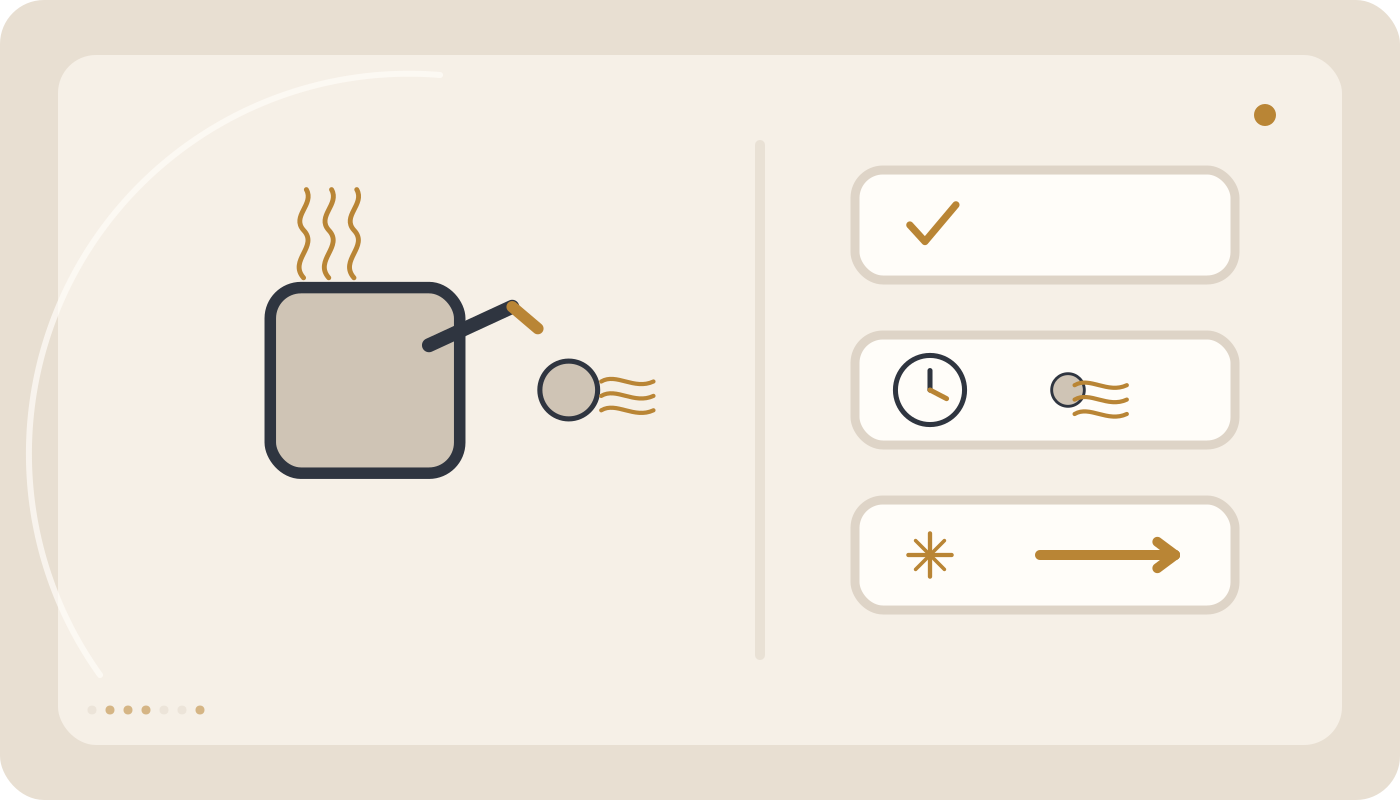
Start with a clean pad on a vacuumed floor, use the water recommended for the appliance, and avoid excessive steam. Sticky streaks often indicate old cleaning-product residue; swelling, permanent haze, or color change can indicate incompatibility with steam.
Where should you start?
Why Does a Steam Mop Leave Streaks or Marks on the Floor?
A steam mop is meant to loosen soil and collect it with the pad, so streaks usually do not mean that the machine needs “more steam.” Common causes include a dirty or saturated pad, old cleaner residue, minerals in water, excessive steam, poor technique, or a floor finish that is not compatible with steam.
Quick answer: Start with a completely clean pad, vacuum or sweep the floor first, never add detergent to a water-only tank unless explicitly approved, use only as much steam as the surface needs, and move at a steady pace. If marks appear specifically after steaming, confirm that the flooring and its finish are actually steam-safe before continuing.
Identify the type of mark first
| Appearance | Likely cause | First action |
|---|---|---|
| Parallel mop lines | Dirty pad or uneven contact | Fit a clean pad and move evenly |
| White haze after drying | Minerals or cleaner residue | Check water and previous products |
| Sticky or dull film | Old floor cleaner reactivated | Remove residue using a floor-safe method |
| Wet trails that dry slowly | Too much steam or saturated pad | Reduce steam and replace pad |
| Permanent haze or color change | Possible finish damage | Stop and check compatibility |
1. The mop pad is dirty
A pad has limited soil-holding capacity. Once loaded with grease, dust, and fine particles, it begins redistributing them across the floor instead of collecting them.
2. The pad is saturated
An oversaturated pad cannot absorb new moisture and soil effectively. Replace it when it becomes heavy or leaves visible water behind.
3. The floor was not vacuumed or swept first
Steam does not replace dry soil removal. Hair, sand, and dust can turn into a muddy film under a damp pad and create streaks.
4. Previous floor cleaner is being reactivated
Heat and moisture can soften residue from detergent, polish, or shine products. The pad then spreads that film and leaves haze or stickiness.
5. Detergent has been added to the tank
On water-only machines, detergent, fragrance, or other additives can leave floor residue and contaminate the steam path. Use only products explicitly approved for the model.
6. Water minerals remain after evaporation
Mineral-rich water can leave a light haze after drying. Follow the appliance’s water recommendation rather than assuming one water type is correct for every model.
7. Steam output is too high
More steam is not always better. Excess output can leave too much moisture on lightly soiled or moisture-sensitive floors.
8. The mop is moving too slowly
Very slow movement exposes one area to excessive heat and moisture, increasing wet trails and possible finish changes.
9. The mop is moving too quickly
Moving too fast can prevent the pad from collecting loosened soil effectively, leaving grease or dirt lines behind.
10. The mop is left stationary
Do not park an active steam mop on one spot. Local heat and moisture can create a mark or damage a sensitive finish.
11. The pad is fitted incorrectly
A wrinkled, folded, or off-center pad creates uneven contact pressure across the floor head and can produce parallel streaks.
12. Fabric softener was used on the microfiber pad
Fabric softener can coat microfiber and reduce its ability to absorb moisture and soil. Follow the pad-care instructions for the specific product.
13. Laundry detergent remains in the pad
Insufficient rinsing can leave detergent in the fibers, which is then transferred to the floor and becomes visible after drying.
14. The pad is worn out
Microfiber can flatten and lose performance over time. Replace a pad that no longer absorbs or cleans effectively after proper washing.
15. A greasy floor needs more than one clean pad
Kitchen and entrance areas can load a pad quickly. Changing pads during the job is often more effective than continuing with one dirty pad.
16. The marks are dried water residue
If marks are visible mainly in angled light and wipe away with a clean damp cloth, water residue is more likely than surface damage.
17. The floor has wax or polish
Heat can soften or dull some waxes and protective polishes. Confirm that the coating itself is compatible with steam.
18. Wood or laminate may not be steam-safe
If streaks are accompanied by swollen joints, raised edges, finish haze, or texture change, do not treat the issue as simple residue. Many wood and laminate products prohibit steam cleaning.
19. On natural stone, the sealer may be involved
Natural stone and sealers vary. Haze or color differences after steaming can involve the protective finish rather than removable dirt.
20. The mop head itself is dirty
Inspect more than the pad. Plastic edges, pad mounts, and steam channels can collect grease and transfer it back to the floor.
21. Steam outlets may be unevenly restricted
If one side of the head produces much more steam than the other, moisture distribution becomes uneven. Partial scale or blockage can create this pattern.
22. Why do marks appear only after the floor dries?
Some residues become visible only after water evaporates. White or dull marks appearing after drying point toward minerals, detergent residue, or the floor finish.
23. Why are streaks more visible under strong light?
Dark, glossy, and polished floors reveal tiny differences in grease and moisture under angled light. Clean pads and consistent passes matter more on these surfaces.
24. Should the floor be dried after steam mopping?
A compatible floor should not be left heavily wet. On glossy floors, a clean dry microfiber pass can improve the finish if the flooring manufacturer permits it.
25. Mop direction affects the result
Random back-and-forth movement can redistribute soil. Work from the far side of the room toward the exit using orderly, slightly overlapping passes.
A streak-free steam-mopping routine
- Confirm that the flooring is steam-safe.
- Vacuum or sweep thoroughly.
- Fit a clean, correctly positioned pad.
- Fill only with the water recommended for the appliance.
- Wait for full Ready status.
- Start with the lowest effective steam level.
- Move at a steady pace in organized passes.
- Never remain stationary on one spot.
- Replace the pad as soon as it becomes dirty or saturated.
- Inspect the result after the floor has dried.
A simple test to identify the source
Steam a small inconspicuous area using a fresh pad and no cleaning additive. If it dries clean, the previous pad or old floor residue was probably responsible. If the same mark returns, investigate water quality, steam output, and finish compatibility.
If the floor becomes sticky
Stickiness usually indicates residue on the floor. Repeated steaming may simply redistribute it. Use a cleaning method approved for the flooring material to remove the old product.
If the mark is white
A white haze may come from minerals or detergent residue. If it wipes away with a clean damp cloth, investigate those causes first. Stop steaming if the visual change appears permanent.
If the floor becomes dull
Dullness may be a removable film, but on waxed, coated, or natural-stone floors it can also indicate a change in the protective finish.
If streaks occur only with the steam mop
Run a controlled test with a fresh pad, recommended water, and the lowest effective steam level. If marks continue, stop using steam until the flooring compatibility is confirmed.
What should you avoid?
- Do not automatically increase steam to remove streaks.
- Do not clean the entire floor with one dirty, saturated pad.
- Do not add unapproved detergent, vinegar, fragrance, or descaler to the tank.
- Do not leave an active mop stationary.
- Do not steam an unknown floor without a small compatibility test.
- Do not ignore swelling, lifted edges, or permanent color changes.
- Do not assume “water-resistant” wood or laminate is steam-safe.
- Do not wash microfiber pads with products prohibited by their care instructions.
When can the appliance itself be responsible?
If a clean pad on a clean floor still receives much more water or steam from one side of the head, or the appliance leaves abnormal amounts of liquid behind, inspect user-serviceable outlets after cooling. Persistent uneven output may involve scale, restriction, or steam control.
When should you stop using steam?
Stop if marks are accompanied by swelling, delamination, permanent discoloration, surface softening, raised joints, or irreversible haze. These can indicate that the floor or finish is not compatible with the applied heat and moisture.
Summary
Before blaming the steam mop, check three things: the pad, residue already on the floor, and the amount of steam. Vacuum first, start with a clean pad and appropriate water, avoid excessive steam, and change saturated pads promptly. If a “streak” becomes a permanent finish change or swelling, the issue is no longer routine cleaning and floor compatibility must be investigated.
The pattern of the mark helps identify the cause
Parallel streaks often point to the pad or uneven contact, while white haze suggests minerals or residue. Swelling or permanent discoloration is a stop-use sign rather than a cleaning problem.
Common mistakes
Change only one variable at a time while diagnosing.
- Do not automatically use maximum steam to remove streaks.
- Do not continue with a dirty or saturated pad.
- Do not add unapproved detergent, vinegar, or fragrance.
- Do not leave an active mop stationary.
- Do not steam an unknown floor without testing.
- Do not ignore swelling, discoloration, or raised edges.
- Do not assume water-resistant wood or laminate is steam-safe.
- Do not wash pads with products prohibited by their care instructions.
Frequently asked questions
Why does my steam mop leave parallel lines?
A dirty, saturated, incorrectly fitted pad or uneven movement are common causes.
Why is there a white haze after drying?
Minerals in water or cleaner residue on the floor or pad may be responsible.
Why does the floor feel sticky after steaming?
Heat may reactivate old detergent or polish and redistribute it.
Does more steam remove streaks better?
No. Excess steam can leave more moisture and visible marks.
Can I steam-mop wood or laminate?
Only when the flooring manufacturer explicitly permits steam cleaning.
When should I stop using the mop?
Stop if marks are accompanied by swelling, raised joints, permanent discoloration, or irreversible haze.
Related guides and products
Still having the problem?
If safe user-level checks do not solve the issue, do not open the appliance. Submit a service request for technical inspection.