Espresso Machine Heating Systems and Their Effect on Daily Use
How do thermoblocks, single boilers, dual heating, and dual boilers differ? Compare their effects on warm-up time, temperature stability, steaming, and consecutive drinks.
Rapid heating generally reduces startup time. A single boiler may require temperature transitions between brewing and steaming. Dual heating reduces that delay, while a suitable dual-boiler design can support simultaneous espresso extraction and milk steaming.
Quick comparison
Espresso Machine Heating Systems and How They Affect Daily Use
The heating system directly shapes everyday espresso-machine use: how quickly the machine becomes ready, how consistently it controls brewing temperature, how long you wait for steam, and whether espresso extraction and milk steaming can happen at the same time. Electrical wattage or appearance alone is therefore not enough for a useful comparison.
Quick answer: fast-heating systems such as thermoblocks and related designs generally favor short warm-up times and compact machines. A single boiler normally shares one heat source between brewing and steaming and may require temperature-transition time. Dual-heating or dual-boiler designs can provide more independent coffee and steam operation and are particularly useful for repeated milk drinks. The heating-system name alone does not determine quality; temperature control and overall engineering matter as well.
Why do brewing and steaming need different thermal conditions?
Espresso brewing water should not be heated to the same condition required to generate steam. Steam production needs a higher thermal state. When one heat source performs both jobs, the machine has to transition between them. Independent thermal circuits reduce that dependency.
What is a thermoblock?
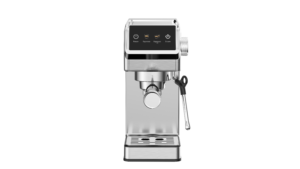
A thermoblock heats water as it travels through a heated flow path rather than continuously maintaining a large reservoir of hot water. One practical advantage can be rapid warm-up. Some household thermoblock machines reach operating readiness in only a few tens of seconds.
What about thermocoils and other rapid-heating systems?
Manufacturers use several designs and names for flow-through or rapid heating. In a thermocoil, the water path is thermally integrated with a heated assembly, while newer low-mass heating technologies can respond even faster. For the user, the commercial name matters less than practical performance: warm-up time, temperature stability, transition speed between brewing and steam, and sustained output.
How does a single boiler work?
In a typical single-boiler design, one heated vessel supplies both brewing water and steam. Because the required temperatures differ, the machine may need time to rise from brewing temperature to steam conditions and then cool or recover before another espresso shot. The actual delay depends on machine design and control strategy.
Who is a single-boiler machine suitable for?
If you usually make one or two drinks, mainly drink espresso or Americano, and rarely prepare several milk drinks consecutively, a well-designed single-heating system can be entirely adequate. Lower complexity may also support a smaller footprint and lower purchase cost.
What does dual heating mean?
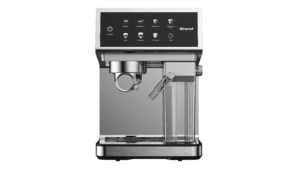
Dual heating does not always mean dual boilers. A machine may use a dedicated thermoblock for coffee and a separate heater for steam. The practical objective is to reduce or eliminate waiting between brewing and milk preparation. When comparing machines, identify what each heating circuit actually does instead of relying on the Dual Heating label alone.
What is a dual-boiler system?
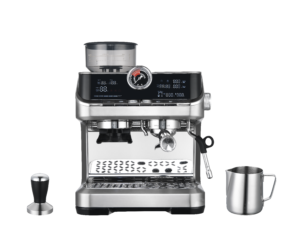
A dual-boiler machine uses one boiler for espresso and another for steam. With suitable pumps and hydraulic design, brewing and milk steaming can occur simultaneously. This is especially valuable when preparing several milk drinks in succession and can also allow each thermal function to be controlled more independently.
Is a dual boiler always the best choice?
Not for every user. Dual-boiler machines generally involve more hardware, greater complexity, higher cost, and more thermal mass. If you make one espresso each day, the rapid readiness and simplicity of a modern fast-heating system may provide greater practical value. The best system is the one that matches actual usage.
How does PID relate to the heating system?
PID is a temperature-control method, not a type of boiler. A thermoblock, boiler, or dual-boiler system may use precise electronic temperature control. A boiler therefore does not automatically guarantee precise temperature, and a thermoblock does not automatically imply poor control. Heating architecture and control strategy should be evaluated together.
How heating systems affect everyday use
| System | Typical everyday effect | Often suitable for |
|---|---|---|
| Rapid heating / thermoblock | Fast readiness and compact design; steam output and recovery depend on the model | Light to moderate daily use and users who value quick startup |
| Single boiler | One heat source for coffee and steam; transition time may be required | Espresso and a limited number of milk drinks |
| Dual heating | More independent coffee and steam circuits with faster transitions | Users who regularly prepare milk drinks |
| Dual boiler | Independent coffee and steam heating; simultaneous operation in suitable designs | Repeated drinks and more demanding workflows |
What makes sense for one morning espresso?
If your priority is switching the machine on and preparing one or two drinks quickly, warm-up time matters greatly. A fast-heating system with effective temperature control may be more practical than a larger machine that requires a longer preparation period.
What matters more for latte and cappuccino?
Milk drinks depend on more than brewing temperature. Steam consistency, steam recovery, and the transition between coffee and milk preparation matter as well. If you regularly make several lattes or cappuccinos consecutively, dual heating or dual boilers can create a much smoother workflow.
Does higher wattage mean a better heating system?
No. Electrical power is only one specification. Thermal mass, heater design, water volume, temperature-control logic, insulation, and water-path engineering all affect performance. Two machines with similar wattage can behave very differently in warm-up speed and temperature stability.
Questions to ask before buying
- How long does the machine actually take to become ready for brewing?
- Do brewing and steaming share one heat source?
- Is there a delay before brewing again after steaming?
- Can espresso extraction and milk steaming happen simultaneously?
- How is temperature controlled, and is it adjustable?
- How does the machine perform when preparing several drinks consecutively?
Common mistakes
- Assuming a dual boiler is automatically the best choice for every user.
- Treating dual heating and dual boiler as identical terms.
- Judging heating performance only by electrical wattage.
- Ignoring transition time between brewing and steaming.
- Buying a large system for very low usage simply because it sounds more professional.
- Focusing on heater type while ignoring temperature control.
Summary
The heating system influences startup speed, temperature management, and the workflow for espresso and milk drinks. Rapid heating can be highly practical for lighter use, dual heating can reduce transition delays, and dual boilers provide greater advantages for repeated milk-drink preparation. Do not evaluate the technology name in isolation; compare warm-up time, temperature control, steam performance, and sustained workflow together.
Choose heating design around daily workflow
Heating architecture affects warm-up time, temperature stability, back-to-back drinks, and the delay between brewing and steaming. Compare the workflow you actually need rather than one technology label in isolation.
Common mistakes
Change only one variable at a time while diagnosing.
- Do not assume a dual boiler is the best choice for every user.
- Do not treat dual heating and dual boiler as identical.
- Do not compare heating performance by wattage alone.
- Do not ignore transition time between brewing and steaming.
- Do not choose an oversized machine for very low usage only because its specifications sound more professional.
- Do not evaluate heater type without considering temperature control.
Frequently asked questions
What is the main advantage of a thermoblock?
A common advantage is rapid warm-up and compact packaging, although actual performance depends on machine design.
Is dual heating the same as dual boiler?
No. A dual-heating machine can use a thermoblock and a separate steam heater without having two boilers.
What is the advantage of a dual boiler?
In a suitable design, coffee and steam have independent thermal systems and brewing and steaming can occur simultaneously.
Does higher wattage mean faster and more stable heating?
Not necessarily. Heater design, thermal mass, temperature control, and the water path also matter.