What Water Is Best for an Espresso Machine?
Water affects both espresso flavor and mineral buildup inside the machine. Learn what water hardness means, how filtration matters, and how water quality relates to descaling.
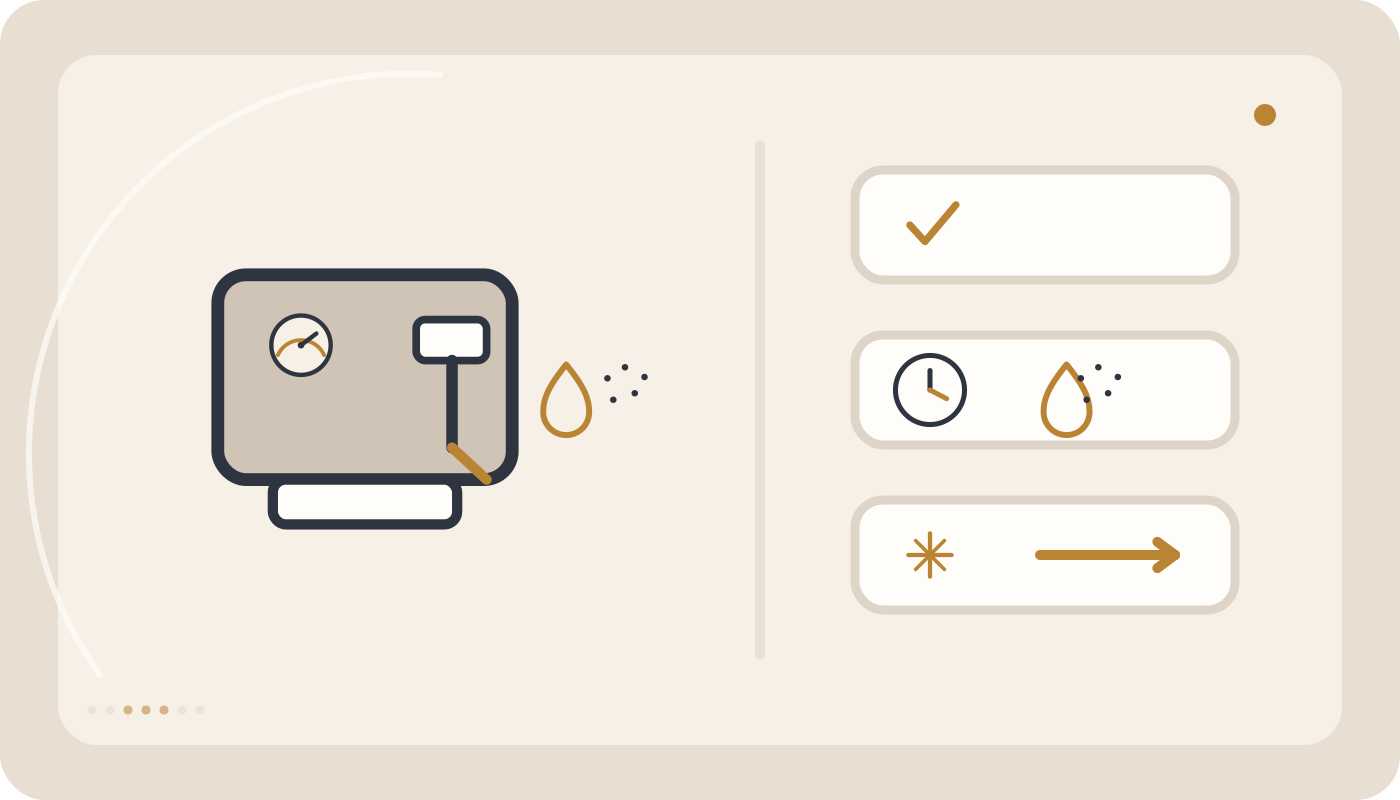
Use fresh, clean drinking water without unpleasant odor or taste and prioritize the instructions for the specific machine. Hard water can accelerate mineral buildup and increase descaling needs.
Before you start
What kind of water is suitable for an espresso machine?
Water makes up most of an espresso beverage and also travels through the internal water system of the machine. Its quality therefore affects both flavor and mineral buildup. Very hard water can accelerate scale formation, while water with undesirable odor, taste, or composition can also change the result in the cup.
Quick answer: use fresh, clean drinking water without unpleasant odor or taste, and give priority to the instructions for the specific machine. If your local water is hard, descaling and water-management routines become more important. Do not assume that distilled or extremely low-mineral water is automatically the best permanent choice unless the manufacturer approves it.
What does water hardness mean?
Water hardness mainly relates to dissolved minerals, particularly calcium and magnesium compounds. As water passes through heated parts of an espresso machine, some minerals can gradually form deposits on internal surfaces. The rate of buildup depends on water composition, temperature, usage, and machine design.
How does hard water affect an espresso machine?
When scale-forming potential is higher, the internal water path and heated components can require maintenance sooner. Mineral buildup may gradually affect water flow and machine performance. In hard-water areas, ignoring periodic descaling can therefore increase the likelihood of scale-related problems.
Does water hardness affect coffee flavor?
Yes. Minerals in water participate in coffee extraction, and major changes in water composition can change beverage flavor. The objective is not necessarily to remove every mineral. The practical goal is to use suitable drinking water that also meets the recommendations for the machine.
Can you use tap water?
That depends on local water quality. If tap water is potable, clear, free from unpleasant odor or taste, and within an acceptable hardness range for the machine, it may be suitable. In areas with high hardness or variable water quality, checking hardness and following an approved water-treatment approach becomes more important.
Is filtered water always better?
The word filtered does not describe one specific water composition. Different filtration systems produce different results. Some filters reduce odor and selected substances, while other systems remove a large proportion of dissolved minerals. A household filtration system therefore does not automatically make water ideal for every espresso machine.
Is distilled water suitable for espresso machines?
Do not assume that distilled or almost completely demineralized water is the best permanent choice without checking the machine instructions. Some machines or water-level sensing systems may depend on particular water characteristics, and water composition also affects extraction. Follow the recommendation for the specific model.
What about bottled water?
Bottled waters vary widely in mineral composition. A mineral-water label does not automatically mean the water is better for an espresso machine; some products can contain relatively high levels of dissolved minerals. Consider the water specifications and the machine manufacturer’s guidance.
How can you tell whether your water is hard?
A practical household method is to use an appropriate hardness test strip or test kit and follow its instructions. Local water suppliers may also publish water-quality information. White deposits on kettles or faucets can suggest mineral content, but measurement provides a better basis for setting a maintenance routine.
What should you do if your water is hard?
- Check water hardness using an appropriate method.
- Review the espresso-machine instructions for water, filtration, and descaling guidance.
- If the machine includes a water filter or hardness setting, configure it as instructed.
- Follow a descaling schedule appropriate for water hardness and usage.
- Do not add unsuitable softening chemicals or treatments directly to the water tank.
Does a water filter completely eliminate the need for descaling?
Not necessarily. Filter performance depends on filter type, capacity, incoming water quality, and service life. A filter should not be used as a reason to ignore maintenance alerts or descaling instructions. Replace filters at the recommended interval.
How does hard water relate to descaling?
Water hardness is one of the factors that influences how quickly mineral scale forms. Descaling addresses deposits that have accumulated, while water management helps reduce or control how quickly that buildup occurs. The two maintenance topics complement each other.
Common mistakes
- Assuming every bottled or mineral water is ideal for an espresso machine.
- Using distilled water permanently without checking the machine instructions.
- Ignoring hardness simply because the water looks clear.
- Assuming a filter eliminates descaling forever.
- Adding unsuitable softening chemicals directly to the water tank.
Summary
Espresso-machine water should be suitable for drinking and compatible with the machine manufacturer’s recommendations. High hardness can accelerate scale formation, while water composition also affects flavor. Understand your local water, measure hardness when useful, and manage filtration and descaling according to the instructions for the specific model.
Hardness is not the same as total dissolved solids
Scale risk depends on mineral composition, not a single generic dissolved-solids number. Very hard water accelerates scale, while nearly mineral-free water should not automatically be considered ideal unless the manufacturer approves it.
Common mistakes
Change only one variable at a time while diagnosing.
- Do not assume every bottled or mineral water is automatically suitable for an espresso machine.
- Do not use distilled water permanently without checking the machine instructions.
- Do not judge water hardness only by visual clarity.
- Do not assume a filter permanently eliminates the need for descaling.
- Do not add unsuitable softening chemicals directly to the water tank.
Frequently asked questions
What is water hardness?
Water hardness mainly relates to dissolved mineral compounds such as calcium and magnesium.
Can hard water harm an espresso machine?
Hard water can accelerate scale formation, which may affect water flow and performance if maintenance is neglected.
Is distilled water the best choice?
Not necessarily. Check the instructions for the specific model before using extremely low-mineral or distilled water as a permanent choice.
Does a water filter eliminate descaling?
Not necessarily. Filter type, incoming water quality, and replacement interval matter, and the machine maintenance schedule should still be followed.