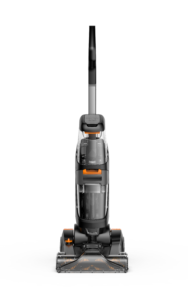
How Should You Clean a Carpet Washer After Every Use?
A practical post-use carpet-washer routine: empty the recovery tank, rinse approved parts, clear the brush and suction inlet, inspect the float and seals, and dry components properly.
After every use, switch off and disconnect the machine, empty and rinse the dirty-water tank, clear hair and lint from the brush and suction inlet, inspect the float and seals, and fully dry washable parts before storage.
Before you start
How Should You Clean a Carpet Washer After Every Use?
Post-use cleaning is not merely cosmetic. Dirty water, lint, hair, detergent, and trapped moisture can remain in the recovery tank, brush, suction nozzle, and washable passages, contributing to odor, a sticking safety float, reduced suction, blocked spray components, detergent deposits, and harder cleaning later.
Quick answer: Switch the machine off and disconnect power. Empty and rinse the dirty-water tank promptly, remove leftover solution as directed by the manual, clear hair and lint from the brush and suction inlet, and allow washable components to dry fully before storage. Never immerse the motor housing, electrical base, plugs, or electrical connections.
Recommended routine after each use
| Step | Main action | Purpose |
|---|---|---|
| 1 | Switch off and disconnect power | Safe maintenance |
| 2 | Empty the recovery tank | Reduce odor and deposits |
| 3 | Rinse approved components | Remove soil and detergent |
| 4 | Clean brush and suction inlet | Maintain airflow and brush action |
| 5 | Inspect float and seals | Maintain suction and sealing |
| 6 | Dry components fully | Reduce trapped moisture and odor |
| 7 | Store cord and machine correctly | Prepare for the next use |
1. Make the machine safe first
Stop spraying, switch the machine off, and unplug a corded unit. Allow moving components to stop before removing tanks, brushes, or user-serviceable parts.
2. Empty the dirty-water tank promptly
Recovered liquid contains water, detergent, dust, hair, lint, and carpet soil. Leaving this mixture inside for hours or days is a major cause of odor and sticky deposits.
3. Rinse the recovery tank with clean water
If permitted by the model instructions, rinse the tank and washable lid with clean water. Avoid abrasive pads, harsh brushes, and corrosive chemicals on transparent plastics and seals.
4. Do not forget the safety float
The recovery float must move freely. Dried foam and residue can make it sticky and cause premature suction shutoff during the next use. Clean only as allowed by the machine design and never remove or defeat the float.
5. Clean the tank lid and gasket
Hair or grit on the sealing surfaces can create an air leak later. Wipe the seal gently and make sure it is not twisted or displaced during reassembly.
6. What should you do with solution left in the clean tank?
This is model-dependent. If the manual does not permit storing mixed solution, empty it. Long-term storage can encourage odor, deposits, or sticky residue.
7. Should the solution circuit be flushed with clean water?
Some manufacturers recommend running a small amount of clean water through the system after use to prevent detergent from drying in the pump and nozzles. Do this only when the procedure is approved for the specific model.
8. Clean the front suction opening
Wet lint, hair, and thread commonly collect around the recovery inlet. If the transparent cover or front nozzle is designed for user removal, clean it and verify that the airflow path is open before reassembly.
9. Remove hair and thread from the brush roll
Wrapped debris increases mechanical resistance and reduces brush effectiveness. Work only with the machine switched off and disconnected, and remove only parts intended for user maintenance.
10. Be careful when cutting wrapped hair
If strands must be cut, avoid damaging brush bristles, belts, rubber parts, wiring, or the roller body. Sharp tools near these components require careful control.
11. Inspect user-serviceable filters or screens
Some carpet washers have a filter, screen, or separator in the recovery assembly. Follow the model instructions for washing or replacement; not every filter is washable.
12. Remove foam residue before it dries
Fresh detergent residue is much easier to remove than hardened deposits. A short routine immediately after cleaning often prevents more difficult maintenance later.
13. How should the exterior be cleaned?
A soft, slightly damp cloth is usually sufficient. Do not spray water directly onto switches, motor housings, sockets, cable entries, or other electrical areas.
14. Can the entire floor head be rinsed under a tap?
Only if the manual explicitly identifies it as washable. A removable component is not automatically safe to immerse, and some heads contain mechanical or electrical parts.
15. Why is drying important?
Closing wet tanks and components can trap moisture. Allow washed parts to dry in a ventilated area before long-term reassembly and storage.
16. Should the recovery-tank lid be closed during storage?
Follow the manual. In all cases, make sure the interior is dry before sealing the machine for extended storage so moisture is not trapped.
17. How should the power cord be stored?
Do not pull the machine by its cord or wind it under excessive tension. Tight bends near the plug or cable entry can stress the conductors and insulation. Use the machine’s cord hooks or storage points.
18. How should hoses and accessories be stored?
Remove accessible water and soil and let components dry. Avoid tight kinks and heavy objects on hoses because deformation or cracking can later create suction leaks.
19. What if the machine develops an odor?
Inspect and clean the recovery tank, lid, float, brush, nozzle, and other washable parts. The usual source is dirty water or trapped moisture. Do not add unapproved fragrance oils to mask the odor.
20. What if a slimy film forms inside the tank?
This commonly follows prolonged storage of dirty water and detergent. Use the manufacturer’s approved cleaning method. Avoid strong solvents, bleach, or aggressive chemicals unless explicitly permitted.
21. How often is deeper maintenance needed?
Frequency depends on use, hair and lint load, detergent, and machine design. In addition to the after-use routine, periodically inspect the brush, nozzle, serviceable filters, seals, float, and accessible passages.
22. What should be checked before the next use?
- Tanks are clean and free of unusual odor.
- The safety float moves freely.
- Seals and lids are correctly seated.
- The brush is not bound with hair or thread.
- The suction inlet is open.
- The cord, plug, and hose show no obvious damage.
A practical five-minute routine
- Switch off and disconnect the machine.
- Remove the tanks as directed.
- Empty dirty water and rinse the recovery tank.
- Remove foam, hair, and lint from the float, lid, and approved openings.
- Clear the brush and suction nozzle.
- Wipe the exterior with a soft cloth.
- Leave washed components in a ventilated area to dry.
- Store the machine without excessive strain on the cord or hose.
What should you avoid?
- Do not leave dirty water in the tank until the next use.
- Do not immerse the motor housing or electrical sections.
- Do not use corrosive cleaners or solvents unless approved.
- Do not remove or defeat the safety float.
- Do not wash a non-washable filter.
- Do not seal wet components for prolonged storage.
- Do not kink or overstress hoses and power cords.
- Do not add unapproved fragrance oils to control odor.
When is cleaning not enough?
If correct maintenance does not resolve very weak suction, irregular spraying, water leakage, abnormal mechanical noise, burning odor, or visible electrical damage, stop using the machine and arrange technical inspection. Routine cleaning cannot repair a failed component.
Summary
The best time to clean a carpet washer is immediately after use, before lint and detergent dry. Emptying the recovery tank, rinsing approved parts, clearing the brush and suction inlet, checking the float and seals, and drying everything properly helps preserve suction, prevent odor, and keep the machine ready for its next cleaning session.
Empty the dirty-water tank immediately
Dirty water, lint and detergent residue can develop odor and slime if left standing. Rinse serviceable parts and let them dry fully before storage.
Common mistakes
Change only one variable at a time while diagnosing.
- Do not leave dirty water in the tank until the next use.
- Do not immerse the motor housing or electrical sections.
- Do not wash a non-washable filter.
- Do not remove or defeat the safety float.
- Do not store wet components sealed for long periods.
- Do not add unapproved fragrance oils to control odor.
- Do not kink hoses or power cords during storage.
- Do not use corrosive cleaners or solvents without approval.
Frequently asked questions
Should a carpet washer be cleaned after every use?
Yes. Removing dirty water, lint, and detergent before they dry helps prevent odor and blockages.
Can I rinse the whole machine with water?
No. Wash only components explicitly identified as washable.
What should I do with leftover detergent solution?
Follow the model instructions; empty it if storage is not permitted.
Why should the recovery float be cleaned?
Dried foam can make it stick and cause premature suction shutoff.
Should the brush be cleaned every time?
Visible hair and thread should ideally be removed after each use.
When should washed parts be reassembled?
After they have dried properly.