Simple Balanced Homemade Iced Coffee with an Espresso Machine
For balanced homemade iced coffee, combine a double espresso with fully cold milk or water, medium ice cubes, and only a small amount of sweetener when desired.
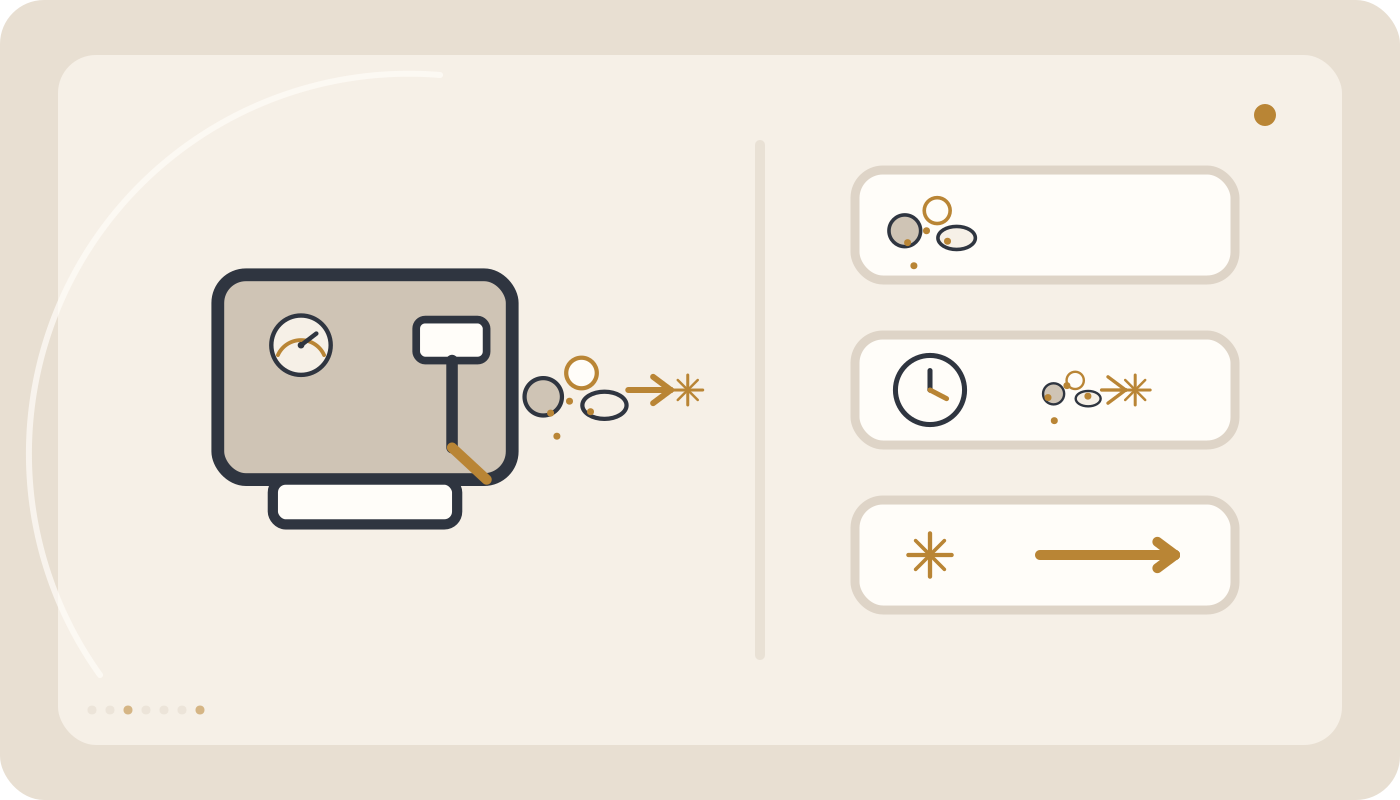
Prepare one double espresso. For a milky version, add about 120 to 150 milliliters of cold milk and 5 to 7 medium ice cubes, then pour in the espresso. For a black version, replace the milk with about 100 to 150 milliliters of cold water. If sweetness is desired, dissolve a small amount of syrup or sugar in the espresso before adding ice.
Before you start
Simple Balanced Homemade Iced Coffee with an Espresso Machine
Good iced coffee does not need to be extremely sweet, overloaded with ice, or aggressively bitter. Balance between espresso, ice, cold milk or water, and a small amount of sweetener keeps the coffee flavor clear and reduces excessive dilution.
Quick answer: Prepare one double espresso. For a milky version, add about 120 to 150 milliliters of cold milk and 5 to 7 medium ice cubes to a glass, then pour in the espresso. For a black version, replace the milk with about 100 to 150 milliliters of cold water. If sweetness is desired, dissolve a small amount of syrup or sugar in the espresso before adding ice.
Basic formula for one glass
| Ingredient | Approximate amount | Purpose |
|---|---|---|
| Espresso | One double extraction | Coffee base |
| Cold milk | 120 to 150 milliliters | Balanced milky version |
| Or cold water | 100 to 150 milliliters | Lighter black version |
| Ice | 5 to 7 medium cubes | Rapid cooling |
| Sweetener | Optional and small | Flavor adjustment |
1. Choose milky or black first
The milky version is softer and creamier, while cold water lets espresso flavor remain more direct.
2. Chill the glass
A cooler glass helps ice melt more slowly.
3. Use glassware suitable for temperature change
Very hot liquid in unsuitable cold glass can create thermal stress.
4. Pull espresso just before building the drink
Fresh espresso retains more aroma.
5. This recipe does not replace espresso extraction troubleshooting
If espresso is too fast, too slow, bitter, sour, or watery, fix extraction separately.
6. Start with a double espresso
This amount holds up well against cold milk or water.
7. If the drink is too strong, add more cold liquid first
Do not deliberately make the espresso extraction weak.
8. If coffee flavor is too weak, reduce milk or water
Adjust the drink ratio before adding more espresso.
9. Use clean neutral-tasting ice
Ice can absorb freezer odors and transfer them to the drink.
10. Very small ice melts faster
Medium or larger cubes are better for slower dilution.
11. Do not fill the entire glass with ice
Leave enough room for the intended liquid ratio.
12. For a milky version, add cold milk first
This lowers the glass temperature and creates the drink base.
13. Add ice next
The ice helps cool incoming espresso quickly.
14. Pour espresso over milk and ice
This creates a layered appearance before stirring.
15. Layering is optional
Flavor balance matters more than visual layers.
16. Replace milk with cold water for a black version
Start around 100 milliliters and adjust toward 150 if needed.
17. Cold water is better than lukewarm water
It reduces the amount of ice needed for cooling.
18. Dissolve granulated sweetener in warm espresso
Sugar dissolves more easily before the drink becomes fully cold.
19. Start with low sweetness
One teaspoon of syrup or dissolved sugar is enough for the first test.
20. Taste before adding more sweetener
Milk and some plant drinks have natural sweetness.
21. Mix syrup with espresso before ice
This distributes sweetness more evenly.
22. Use vanilla sparingly
The goal is to complement rather than cover coffee flavor.
23. Cinnamon works better as a light topping
Dry cinnamon does not dissolve completely in cold drinks.
24. Use only a little chocolate sauce
Too much makes the drink heavy and overly sweet.
25. Skip sweetener for a less sweet version
Balanced espresso and cold milk can be enjoyable without added sugar.
26. Milk type changes texture
Higher-fat milk feels creamier while lower-fat milk is lighter.
27. Plant beverages can replace milk
Choose one that tastes good with coffee and remains stable when mixed.
28. Avoid warm milk
The drink should cool quickly without melting excessive ice.
29. Cool steamed milk before using it in iced coffee
Hot milk melts ice quickly.
30. Hot milk foam is not required
This is a simple cold espresso drink.
31. Prepare cold foam separately if desired
Use only a method approved by the relevant appliance or tool.
32. Stir gently after building the drink
A few turns are enough.
33. Excessive stirring accelerates ice melt
Stop once the drink is combined.
34. Iced coffee is best consumed fresh
As ice melts, the drink ratio changes.
35. If the drink becomes watery
Small ice, long holding time, or insufficiently cold ingredients may be involved.
36. If the drink is very bitter
Check the espresso first, then increase milk or water slightly.
37. If the drink is sour
Extra sugar does not fix poor extraction.
38. If coffee flavor disappears
There is too much milk, water, or melted ice.
39. If the drink is too strong
Add 20 to 30 milliliters of cold milk or water at a time.
40. If the drink is too sweet
Reduce sweetener next time rather than trying to correct it with excessive ice.
41. Simple milky version
- Prepare one double espresso.
- Dissolve one teaspoon of sweetener in the espresso if desired.
- Add 120 to 150 milliliters of cold milk to the glass.
- Add 5 to 7 medium ice cubes.
- Pour the espresso over the milk and ice.
- Stir gently and taste.
42. Simple black version
- Prepare one double espresso.
- Dissolve sweetener if desired.
- Add 100 to 150 milliliters of cold water.
- Add 5 to 7 medium ice cubes.
- Add espresso and stir briefly.
43. Light vanilla version
Add a very small amount of vanilla or vanilla syrup to the milky version.
44. Light chocolate version
Dissolve one teaspoon of chocolate sauce into the warm espresso before milk and ice.
45. Keep the ratio when using a larger glass
Do not simply add more ice without adjusting the rest of the drink.
46. Doubling every ingredient is not always necessary
Increase cold liquid first and taste the coffee intensity.
47. Build two drinks separately
This makes sweetness and coffee strength easier to customize.
48. Keep milk refrigerated until use
Dairy ingredients should remain cold.
49. Do not leave milky iced coffee at room temperature for hours
Consume it promptly after preparation.
50. Iced leftovers do not store well
Melted ice permanently changes the drink ratio.
51. Recipe troubleshooting table
| Result | Likely cause | Correction |
|---|---|---|
| Watery | Small ice or long holding time | Use larger ice and drink sooner |
| Coffee flavor disappears | Too much milk or water | Reduce cold liquid |
| Too strong | Too little cold liquid | Add milk or water gradually |
| Too sweet | Too much syrup | Reduce it next time |
| Bitter | Bitter extraction or excessive coffee ratio | Check extraction, then adjust ratio |
| Milk separates | Milk type or severe temperature difference | Use a more suitable fully cold milk |
52. This is different from espresso troubleshooting
If the espresso itself has pressure, flow, or flavor problems, use the dedicated troubleshooting article first.
53. This is different from cappuccino
Cappuccino depends on espresso, hot milk, and foam, while this is a cold espresso-based drink.
54. Machine cleanliness affects taste
The portafilter, basket, and coffee outlet should be maintained according to the appliance cleaning schedule.
55. Make ice from good-tasting water
Unpleasant water flavor becomes obvious after the cubes melt.
56. Record your preferred ratio
Note espresso, milk or water, and sweetener amounts for repeatability.
57. Change one variable at a time
If the drink is weak, reduce milk first rather than changing ice, sugar, and espresso simultaneously.
58. The best iced coffee is not necessarily the sweetest
The goal is balance between coffee flavor, cooling, and the softness of the cold liquid.
59. Keep the build simple
Espresso, optional sweetener, cold liquid, and ice are enough for most home versions.
60. The final iced-coffee principle
Balanced espresso, fully cold liquid, enough ice, and restrained sweetness. Start with a base ratio and change only one component at a time.
Common mistakes
- Using bitter or watery espresso and trying to hide it with sugar
- Using excessive tiny ice
- Using lukewarm milk
- Adding granulated sugar after the drink is fully cold
- Adding too much milk or water immediately
- Using extra ice to correct excessive sweetness
- Stirring long enough to melt unnecessary ice
- Using freezer-smelling ice
- Holding a dairy drink at room temperature for a long time
- Changing several ratios at once
Conclusion
Good homemade iced coffee should be simple and adjustable. Combine a double espresso with thoroughly cold milk or water and a sensible amount of ice. Start with restrained sweetness, drink it fresh, and adjust only one ratio at a time until it matches your preference.
Common mistakes
Change only one variable at a time while diagnosing.
- Do not hide bitter or watery espresso with excessive sugar.
- Do not use excessive tiny ice.
- Do not use lukewarm milk.
- Do not add granulated sugar after the drink is fully cold.
- Do not add excessive milk or water immediately.
- Do not use extra ice to correct too much sweetness.
- Do not stir long enough to melt unnecessary ice.
- Do not use ice with freezer odors.
- Do not hold a dairy drink at room temperature for a long time.
- Do not change several ratios at once.
Frequently asked questions
How much espresso should I use for one iced coffee?
One double espresso is a practical starting point, then adjust milk or water to preferred strength.
How much milk should I use?
For a balanced milky version, about 120 to 150 milliliters of cold milk is a useful starting range.
Why does iced coffee become watery?
Small ice, warm ingredients, and long serving time all increase dilution.
When should I add sugar?
Dissolve sugar or syrup in warm espresso before adding ice.
Do I need steamed milk?
No. This simple version uses cold milk and does not require hot milk foam.
Can I make it without milk?
Yes. Replace milk with about 100 to 150 milliliters of thoroughly cold water.