Three Quick Sauces and Condiments with a Food Chopper
Three fast chopper recipes: fresh tomato-pepper sauce, green walnut-herb sauce, and onion-parsley condiment, with short pulses and controlled liquid.
Cut ingredients into medium pieces and stay below the maximum fill line. Chop firmer ingredients such as walnuts, onion, or peppers first with short pulses, then add softer ingredients and herbs. Add oil, lemon juice, and other liquids near the end. If the chopper is not designed for liquids, finish the liquid portion of the sauce by hand in a separate bowl.
Before you start
Three Quick Sauces and Condiments with a Food Chopper
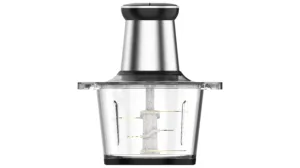
A food chopper is especially useful for sauces and condiments that should be finely chopped, even, and textured rather than completely liquid and silky. With short pulses, you can prepare a fresh tomato-pepper sauce, a green walnut-herb sauce, and a lemony onion-parsley condiment in minutes.
Quick answer: Cut ingredients into medium pieces and stay below the chopper’s maximum fill line. Start with firmer ingredients such as walnuts, onion, or peppers, pulse briefly, then add softer ingredients. Add small amounts of oil, lemon juice, or other liquids near the end. If the chopper is not designed for liquids, keep liquid volume low and finish the sauce by hand in a separate bowl.
The three recipes in this guide
| Recipe | Final texture | Use |
|---|---|---|
| Fresh tomato and pepper sauce | Fine with light texture | Chicken, meat, potatoes, sandwiches |
| Green walnut and herb sauce | Thick and lightly oily | Bread, pasta, vegetables, chicken |
| Onion, parsley, and lemon condiment | Fresh and finely chopped | Grilled foods, fish, salads, sandwiches |
1. A chopper is not the same as a blender
Choppers are designed mainly for rapid chopping of solid and semi-solid ingredients. A countertop blender is usually better for completely liquid soups and sauces.
2. Check the appliance’s liquid limits
Some choppers are not designed for large amounts of free liquid. Follow the exact model instructions.
3. Stay below the maximum fill line
Free space is needed for ingredient movement and even blade action.
4. Extremely small batches may also chop poorly
A few leaves or a tiny amount of food can simply move around the blade.
5. Pre-cut large ingredients
Quarter onions, peppers, and tomatoes so the blade begins with a more balanced load.
6. Remove hard pits
Date, olive, peach, and similar hard pits must stay out of the bowl.
7. Remove or cut very tough stems
Tender herb stems can be used, but very firm sections are better removed.
8. Do not load soaking-wet ingredients
Excess water makes sauces thin and watery.
9. Dry herbs after washing
This gives better control over oil and lemon juice later.
10. Use short pulses
Use one-to-two-second pulses instead of one long continuous run.
11. Short pulses preserve texture control
The goal is even chopping rather than turning everything into puree.
12. Stop before scraping down the sides
Wait until the blade has stopped completely and unplug when required before repositioning food.
13. Never insert a spoon while the machine is running
Manual adjustment must happen only after complete blade stop.
14. Add liquids near the end
Large amounts of oil, lemon juice, or vinegar at the beginning can reduce chopping control.
15. Do not fix poor chopping with excessive oil
Review ingredient size, bowl load, and pulse length first.
Recipe One: Fresh Tomato and Pepper Sauce
| Ingredient | Approximate amount |
|---|---|
| Firm tomatoes | 2 medium |
| Bell pepper | Half |
| Onion | Quarter of a medium onion |
| Parsley or cilantro | One small handful |
| Lemon juice | 1 tablespoon |
| Salt and pepper | To taste |
16. Avoid extremely ripe tomatoes
Very soft tomatoes release a lot of water and quickly make the sauce thin.
17. Remove some watery seed pulp when needed
If the tomato is especially juicy, remove part of the watery interior first.
18. Chop onion and pepper first
Two to four short pulses are usually enough for the first stage.
19. Add herbs next
Pulse briefly until the leaves are chopped.
20. Add tomatoes last
Tomatoes are soft and become watery quickly when overprocessed.
21. Pulse tomatoes only briefly
The final sauce should retain a little fresh texture.
22. Add lemon and salt after chopping
If the chopper is not approved for that amount of liquid, transfer to a serving bowl and mix by hand.
23. Do not keep chopping a watery tomato sauce
More processing generally releases even more liquid.
24. Use firmer tomatoes for a thicker result
A coarse strainer can also remove a little excess liquid before serving.
Recipe Two: Green Walnut and Herb Sauce
| Ingredient | Approximate amount |
|---|---|
| Parsley or basil | 1 loosely packed cup |
| Walnuts | One-third cup |
| Garlic | 1 small clove |
| Oil | 2 to 4 tablespoons |
| Lemon juice | 1 tablespoon |
| Salt | To taste |
25. Chop walnuts first
Use two or three short pulses so they become small pieces without turning fully into paste.
26. Chop garlic with the walnuts
This helps distribute the garlic more evenly.
27. Add well-dried herbs
Wet herbs can make the sauce watery and dull its color.
28. Pulse herbs briefly
Long continuous processing can make the mixture overly mashed.
29. Add oil gradually
Start with two tablespoons and increase only if needed.
30. Keep the sauce thick
A green herb sauce does not need to flow like a drink.
31. Add lemon near the end
Adjust acidity after the texture is correct.
32. If the sauce is too dry
Add one tablespoon of oil or a very small amount of water and pulse once more.
33. If the sauce becomes too oily
Use less oil next time rather than adding large amounts of extra walnuts.
Recipe Three: Onion, Parsley, and Lemon Condiment
| Ingredient | Approximate amount |
|---|---|
| Onion | Half a small onion |
| Parsley | 1 loosely packed cup |
| Bell pepper | Quarter |
| Lemon juice | 1 to 2 tablespoons |
| Oil | 1 tablespoon |
| Salt and pepper | To taste |
34. Chop onion before parsley
Onion is firmer and benefits from the first few pulses.
35. Add pepper with the onion
Their textures are similar enough to chop together.
36. Add parsley afterward
Short pulses chop the leaves without creating a green paste.
37. Add liquid seasoning after the desired chop size is reached
Mix lemon juice and oil with one or two final pulses or by hand.
38. Keep this condiment textured
Turning it into puree removes much of the fresh onion-and-herb character.
39. Reduce onion for a milder flavor
Adjust the quantity to the food being served.
40. Use fresh hot pepper cautiously
Start with a very small amount.
41. Wash hands after handling hot pepper
Avoid touching the eyes and face.
42. If the condiment is watery
Too much liquid or wet herbs and onion are common causes.
43. If ingredients remain too coarse
The bowl may be overloaded or the initial pieces too large.
44. If everything becomes paste
The pulses were too long or too numerous.
45. One repeatable method for all three recipes
- Wash ingredients and dry them well.
- Remove pits and tough non-edible parts.
- Pre-cut large ingredients.
- Stay below the maximum fill line.
- Add firmer ingredients first.
- Use two to four short pulses.
- Add soft ingredients and herbs.
- Pulse briefly again.
- Add liquid seasoning at the end.
- Stop once the desired texture is reached.
46. Quick troubleshooting table
| Result | Likely cause | Correction |
|---|---|---|
| Pieces remain too large | Large starting pieces or overloaded bowl | Use a smaller load and smaller pre-cut pieces |
| Food becomes paste | Long pulses | Use shorter pulses and check between stages |
| Sauce is watery | Wet ingredients or too much liquid | Dry ingredients better and use less liquid |
| Sauce is too dry | Too little oil or liquid | Add a small amount gradually |
| Food sticks to the sides | Small volume or sticky texture | Stop, scrape down safely, and pulse again |
| Chopping is uneven | Mixed ingredient sizes | Pre-cut more uniformly |
47. Large amounts of liquid may not belong in a chopper
If the bowl is not fully designed for liquids, finish thin sauces in a separate bowl after chopping the solids.
48. Do not process hot ingredients unless the manufacturer permits it
Steam and pressure can create hazards. These recipes are intended for cool or cold ingredients.
49. Handle the blade carefully during cleaning
After unplugging, hold the blade by a safe non-cutting section and wash according to the appliance instructions.
50. Use fresh sauces promptly
Herb-, onion-, and dairy-based sauces should be kept cold and consumed within an appropriate time.
51. Store in a clean covered container
Air exposure and refrigerator odors can reduce quality.
52. Green sauce can darken over time
This can occur naturally as herbs oxidize.
53. Lemon juice can support fresh flavor
Too much still changes flavor balance and texture.
54. Stir before serving again
Oil and natural juices can separate during storage.
55. This article is different from chopper troubleshooting
If the appliance spins but consistently fails to chop most foods, capacity, blade condition, coupling, and technique need separate diagnosis.
56. This article does not replace blade-care guidance
Use the dedicated blade-maintenance article for cleaning, dullness checks, and long-term care.
57. Use short pulses for all three sauces
Texture control is the main advantage of a chopper in this application.
58. Add liquid last
This allows chop size to be controlled before consistency and flavor are finalized.
59. Change one variable at a time
If the sauce is too thin or thick, adjust liquid first rather than changing every ingredient ratio at once.
60. The final principle
Firmer ingredients first, softer ingredients next, liquids last, and pulses short. These four rules make textured chopper sauces much easier to control.
Common mistakes
- Overfilling the bowl
- Using soaking-wet ingredients
- Adding too much liquid at the beginning
- Running continuously instead of pulsing
- Adding soft tomato too early
- Overprocessing fresh herbs
- Using a spoon in a running appliance
- Processing hot food without manufacturer approval
- Grabbing the sharp blade edge during cleaning
- Expecting a chopper to produce a fully liquid sauce
Conclusion
A food chopper is excellent for quick textured sauces and condiments. Chop firm ingredients first with short pulses, add soft ingredients and herbs next, and adjust oil, lemon juice, and other liquids at the end. This makes it easy to prepare fresh tomato-pepper sauce, green walnut-herb sauce, and onion-parsley condiment without turning everything into watery puree.
Common mistakes
Change only one variable at a time while diagnosing.
- Do not overfill the bowl.
- Do not load soaking-wet ingredients.
- Do not add large amounts of liquid at the beginning.
- Do not run continuously instead of using short pulses.
- Do not add very soft tomato at the beginning.
- Do not overprocess fresh herbs.
- Do not put a spoon into a running appliance.
- Do not process hot ingredients without manufacturer approval.
- Do not grab the sharp blade edge during cleaning.
- Do not expect every chopper to produce a fully liquid sauce.
Frequently asked questions
What sauces can I make in a food chopper?
Textured sauces such as tomato-pepper sauce, green walnut-herb sauce, and onion-parsley condiment work well.
Why does sauce become watery in a chopper?
Wet ingredients, overripe tomato, too much liquid, and excessive processing are common causes.
When should liquid be added?
Oil, lemon juice, and vinegar are best added near the end so chop size can be controlled first.
Is a chopper good for completely liquid sauce?
Only when the manufacturer approves liquid use; a blender is generally better for larger volumes of free liquid.
Why do ingredients turn into paste?
Long or excessive pulses remove the desired texture.
Can I process hot ingredients?
Only when the exact appliance manufacturer explicitly allows it; these recipes are intended for cool or cold ingredients.