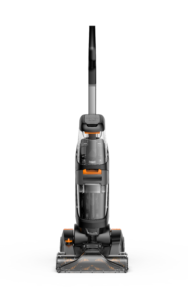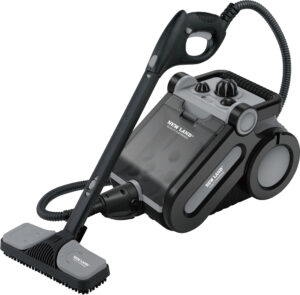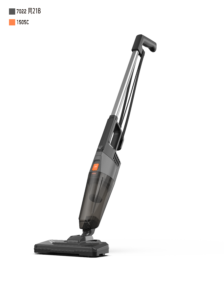
Weekly Home Cleaning Plan: Vacuum, Steam Cleaner, and Mop
A practical weekly routine for dividing home cleaning between vacuuming, damp mopping, and steam cleaning while keeping steam limited to approved surfaces.

Always remove dry debris with a vacuum first. Once or twice a week, damp-mop washable floors after vacuuming. Use a steam cleaner only when both the surface manufacturer and appliance manufacturer approve steam use. Avoid unapproved steam on natural wood, laminate seams, waxed surfaces, and damaged joints.
Care plan
Weekly Home Cleaning Plan: What Should You Do with a Vacuum, Steam Cleaner, and Mop?
Home cleaning becomes easier when each tool has a clear job. A vacuum removes dry dust and debris, a steam cleaner can loosen soil on selected steam-safe surfaces, and a mop completes damp floor cleaning where moisture is appropriate. Using the tools in the right order saves time and avoids unnecessary wetting or heat exposure.
Quick answer: Vacuum dry debris and high-traffic areas throughout the week. Once or twice a week, mop washable floors after vacuuming. Use a steam cleaner only on surfaces that both the surface manufacturer and appliance manufacturer approve for steam. Avoid unapproved steam use on natural wood, laminate seams, waxed surfaces, damaged joints, and materials sensitive to heat or moisture.
Suggested weekly plan
| Day | Main task | Suggested tool |
|---|---|---|
| Day one | Remove dust and debris from high-traffic rooms | Vacuum |
| Day two | Clean kitchen and entrance floors | Vacuum, then mop |
| Day three | Light cleaning of high-use areas | Handheld or stick vacuum |
| Day four | Deep-clean selected approved surfaces | Vacuum, then steam cleaner |
| Day five | Bathroom and washable floor review | Mop or approved steam cleaning |
| Day six | Full carpet, edge, and under-furniture vacuuming | Vacuum |
| Day seven | Rest or spot-clean fresh soil | Tool matched to the spot |
1. Always begin with dry debris
Remove hair, dust, grit, crumbs, and loose soil before using water or steam.
2. Mopping dusty floors creates streaks
Wet dust can become muddy residue.
3. Steam cleaning does not replace vacuuming
Loose dry debris should be removed first.
4. Prioritize the entrance
Tracked-in grit can scratch some floors and spread throughout the home.
5. Kitchens usually need more frequent attention
Crumbs, grease, and moisture accumulate faster there.
6. Do not wet bedrooms more than necessary
Regular vacuuming and limited damp mopping are often enough for washable floors.
7. Adjust the plan to your household
Children, pets, heavy traffic, and street-facing windows can increase cleaning frequency.
8. Use day one for high-traffic vacuuming
Hallways, living areas, dining zones, and entrances collect the most dry debris.
9. Work from the farthest area toward the exit
This reduces walking back across freshly cleaned sections.
10. Start with edges and corners
Dust near walls and furniture bases is easy to miss.
11. Match the floor tool to the surface
Carpet, tile, and delicate flooring may need different vacuum heads.
12. Move more slowly on carpet
Very fast passes may reduce pickup time.
13. Remove large grit from hard floors early
Hard particles can scratch some surfaces when dragged under a tool.
14. Use day two for kitchen and entrance floors
Vacuum first, then damp mop.
15. A mop should be damp, not dripping
Excess water is unnecessary on many floors.
16. Do not overdose floor cleaner
Too much product can leave sticky residue and streaks.
17. Use a cleaner appropriate to the floor
Tile, stone, synthetic flooring, and wood have different requirements.
18. Divide the floor into sections
Finish one small area before moving to the next.
19. Change dirty water or pads
A heavily soiled mop simply redistributes dirt.
20. Day three can stay light
Target new crumbs, hair, and dust rather than deep-cleaning the whole house.
21. Focus on areas that became dirty again
The dining table, sofa area, and entrance are common examples.
22. Every room does not need daily vacuuming
A sustainable plan works better than an exhausting routine.
23. Reserve day four for deeper cleaning
If you own a steam cleaner, use it only on selected heat- and moisture-safe surfaces.
24. Vacuum before steam cleaning
Loose dry particles should already be gone.
25. Use steam only on approved surfaces
Some hard surfaces may tolerate steam, but the surface manufacturer’s approval matters.
26. Avoid unapproved steam on natural wood
Heat and moisture can damage finishes, seams, or the wood structure.
27. Laminate and engineered flooring also need approval
Steam entering seams can lead to swelling or deformation.
28. Avoid steam on waxed surfaces
Heat can soften or damage the protective finish.
29. Be careful around damaged seams
Moisture can enter lower layers.
30. Do not hold steam in one place for long
Keep the tool moving to reduce concentrated heat exposure.
31. Test an inconspicuous area first
When uncertain, check a hidden section before broader use.
32. Do not assume steam disinfects every surface automatically
Contact time, temperature, surface type, and appliance instructions all matter.
33. Do not add detergent to the steam tank unless approved
Many steam cleaners are designed for water only.
34. Use day five for bathrooms and washable floors
Clean appropriate floors and keep ventilation active.
35. Remove hair before wet cleaning
Wet hair sticks to the floor and mop.
36. Do not scrub damaged grout aggressively
Existing damage can become worse.
37. Treat wet floors as slippery
Limit traffic and improve airflow until dry.
38. Use day six for a full vacuum
Include reachable areas under furniture, carpet edges, and wall lines.
39. Do not forget under beds and sofas
Dust from these areas eventually returns to room air and traffic paths.
40. Vacuum curtains and upholstery only with appropriate attachments
High suction or the wrong head can damage fabric.
41. Check upholstery care labels first
Not every fabric is suitable for moisture or steam.
42. Do not steam mattresses unless approved
Trapped moisture can dry slowly and create problems.
43. Keep day seven light
Address only fresh spots and prepare tools for the next week.
44. Treat fresh spills promptly
Use a method compatible with the surface and stain type.
45. Do not test unknown stains with steam
Heat can set some stains or damage fabric.
46. A simple floor-cleaning sequence
- Move small objects out of the path.
- Vacuum dry dust and debris.
- Review local spots with a surface-appropriate method.
- Prepare a damp mop or approved steam cleaner if needed.
- Work from the farthest point toward the exit.
- Replace or clean dirty pads and water.
- Allow the floor to dry fully.
- Clean and dry the tools afterward.
47. Tool-selection table
| Soil type | First tool | Second tool if needed |
|---|---|---|
| Dust and hair | Vacuum | Damp mop on approved flooring |
| Crumbs and grit | Vacuum | Mop after particles are removed |
| Footprints on tile | Vacuum | Damp mop |
| Stuck soil on resistant surface | Vacuum | Steam or mop if surface-approved |
| Dry carpet | Vacuum | Dedicated carpet cleaning if needed |
| Delicate wood floor | Vacuum with suitable head | Surface-manufacturer-approved method |
48. Inspect the vacuum after use
An overfilled bin or bag, wrapped brush, and dirty filter can reduce performance.
49. Remove hair and thread from the brush
This supports freer brush movement.
50. Empty the steam cleaner according to its manual
Manage leftover water and scale according to the exact appliance instructions.
51. Wash steam-cleaner pads after use
Dirty pads redistribute soil next time.
52. Wash and fully dry the mop
Do not store a wet mop in an enclosed space.
53. Do not put dirty wet tools into a closed cabinet
Clean and dry tanks, pads, and cloths first.
54. Adapt the plan to your real schedule
If one day is busy, move that task. Consistency matters more than rigid timing.
55. A small home may need only three main sessions
One full vacuum, one floor-mopping session, and one targeted deep-clean can be enough.
56. A busy home may need daily vacuuming
That does not mean steam cleaning or mopping should also happen daily.
57. More steam does not mean more cleanliness
Steam is useful only when both the surface and soil are compatible with it.
58. This does not replace vacuum or steam-cleaner troubleshooting
If suction drops, a brush stops, or the steam cleaner does not produce steam, use the dedicated troubleshooting article.
59. This is different from an appliance-maintenance calendar
This article schedules home cleaning. Periodic care of the appliances themselves belongs in a separate maintenance calendar.
60. The final weekly-cleaning principle
Remove dry debris first, then add moisture or steam only when needed. Vacuuming is the base routine, damp mopping is for washable floors, and steam cleaning should remain limited to explicitly approved surfaces.
Common mistakes
- Mopping a floor that is still covered in dust and grit
- Using steam cleaning instead of vacuuming
- Steaming wood or laminate without manufacturer approval
- Holding steam in one place too long
- Adding detergent to a steam tank without approval
- Using an excessively wet mop
- Continuing with very dirty pads or water
- Using the same rigid schedule for every household
- Storing wet tools without cleaning and drying
- Assuming every surface can be steam-cleaned
Conclusion
A good weekly cleaning plan should be simple, practical, and surface-aware. Use the vacuum for dry soil, damp mopping for washable floors, and steam only where the surface is explicitly approved. Spreading deeper cleaning across the week keeps the home orderly without requiring one exhausting cleaning day.
Common mistakes
Change only one variable at a time while diagnosing.
- Do not mop floors that still have dust and grit.
- Do not use a steam cleaner instead of vacuuming.
- Do not steam wood or laminate without manufacturer approval.
- Do not hold steam in one place for a long time.
- Do not add detergent to a steam tank without approval.
- Do not use an excessively wet mop.
- Do not continue with very dirty water or pads.
- Do not force the same schedule on every home.
- Do not store wet tools without drying them.
- Do not assume every surface is steam-safe.
Frequently asked questions
Should I vacuum or mop first?
Almost always vacuum dry debris first, then mop only if needed.
Can a steam cleaner replace a mop?
On some approved surfaces it can perform part of the same job, but steam is not suitable for every floor.
How often should I vacuum?
It depends on household traffic; high-traffic areas may need daily attention while quieter homes may need only a few sessions per week.
Can I steam-clean laminate flooring?
Only when the exact flooring manufacturer explicitly approves steam use.
Should I add detergent to a steam cleaner?
Only when the exact appliance manual allows it; many steam cleaners are designed for water only.
Why does my floor streak after mopping?
Remaining dust, excessive detergent, dirty mop material, and too much water are common causes.