
Why Is My Espresso Not Hot Enough? 8 Common Causes and Fixes
If your espresso is lukewarm, check warm-up time, cup and portafilter temperature, beverage volume, and scale before assuming the machine has failed.
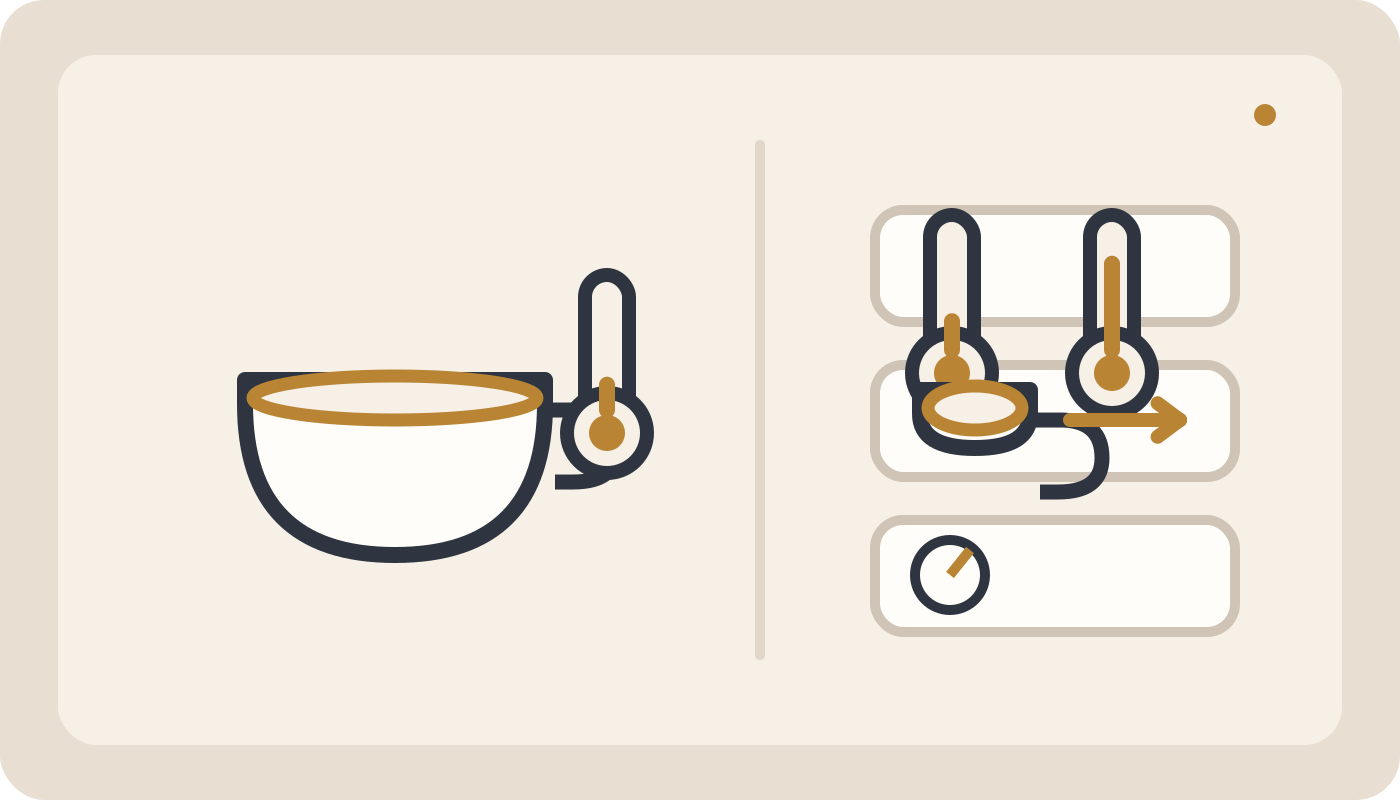
Warm the machine fully, preheat the cup and portafilter, and prepare a standard shot. If the beverage remains unusually cool, review descaling and then the heating system.
Where should you start?
Why is my espresso not hot enough?
Lukewarm espresso does not always indicate a heating-system failure. A cold cup, insufficient warm-up time, cold brewing components, scale buildup, and excessive beverage volume can all reduce the final temperature.
Quick test: allow the machine to warm fully, preheat the cup, and prepare a standard shot. If the result improves clearly, preparation is more likely to be the cause than a machine fault.
1. The machine is not fully warmed up
A ready indicator does not necessarily mean every brewing component has reached a stable temperature. Additional warm-up time can help stabilize the group head and water path.
2. The cup is cold
A cold cup can absorb a noticeable amount of heat from a small espresso shot. Preheating the cup with hot water is one of the simplest tests.
3. The portafilter and group head are cold
A cold portafilter absorbs heat during extraction. Keeping it installed while the machine warms and using an appropriate flush can improve thermal stability.
4. The beverage volume is too high
Excessive output can lower the average temperature in the cup and change flavor balance. Keep the coffee dose and beverage yield within an appropriate recipe for the basket.
5. You brew immediately after switching the machine on
Consistency matters. When comparing temperature, use a similar warm-up time, cup, dose, and beverage volume for each test.
6. Scale is affecting heat transfer
Mineral buildup can affect water flow and heating performance. If the temperature has gradually declined, review the recommended descaling schedule.
7. Temperature is being measured inconsistently
Water temperature inside the machine is not identical to beverage temperature in the cup. Cup material, measurement timing, and thermometer position all affect the reading, so use the same method for comparisons.
8. There is a heating or temperature-control fault
If the machine remains unusually cool after full warm-up, cup preheating, and correct maintenance, a thermostat, sensor, or heating-system problem becomes more likely and qualified inspection is appropriate.
Should espresso be extremely hot?
Espresso is not intended to arrive in the cup at boiling-water temperature. The goal is stable extraction and a properly hot beverage with balanced flavor; excessive temperature can also damage taste quality.
Best troubleshooting order
Correct the warm-up routine, cup temperature, and portafilter temperature first. Then review beverage volume and descaling. If there is no improvement, investigate the heating system professionally.
Separate beverage temperature from heater performance
A cold cup, cold portafilter, or an unnecessarily long beverage can lower the final cup temperature even when the heater is operating normally.
Home temperature measurements are sensitive to cup material and thermometer placement. Look for repeatable change from the machine’s previous behavior rather than relying on one isolated number.
Common mistakes
Change only one variable at a time while diagnosing.
- Do not judge temperature immediately after switching the machine on.
- Do not test with a cold cup when diagnosing heat loss.
- Do not confuse beverage temperature with internal water temperature.
- Do not increase beverage volume in an attempt to make it hotter.
- Do not use unsuitable descaling chemicals.
- Do not open the machine at home if a heating or electrical fault is suspected.
Frequently asked questions
Can a cold cup really cool espresso significantly?
Yes. Because an espresso shot is small, a cold cup can absorb a meaningful amount of heat.
How long should the machine warm up?
The exact time depends on the model. Follow its instructions, and remember that some components may need additional time after the ready indicator appears.
Should the portafilter be warm?
Yes. A cold portafilter can absorb heat during extraction.
Can scale reduce brewing temperature?
Yes. Mineral buildup can affect water flow and heat transfer.
When is service appropriate?
When output remains abnormally cool after full warm-up, preheating, and correct maintenance.
Related guides and products
Still having the problem?
If safe user-level checks do not solve the issue, do not open the appliance. Submit a service request for technical inspection.