
Why Is My Espresso Machine Making Unusual Noises? 8 Common Causes and Fixes
If your espresso machine suddenly sounds different, check the water tank, trapped air, surface stability, loose parts, grind and dose, scale, and pump performance.
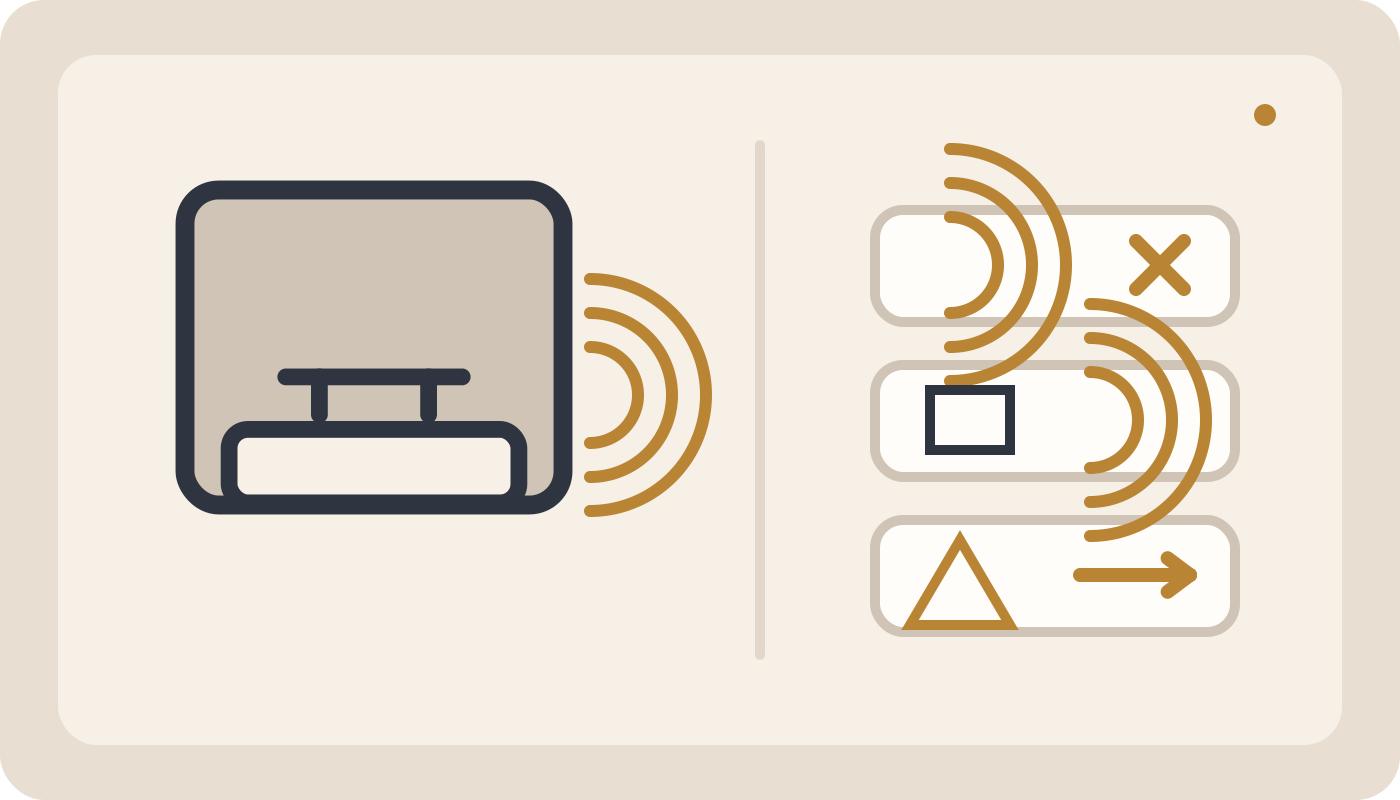
Check the water tank and its seating, prime the water circuit if required, and make sure the machine stands on a stable surface. If a new loud noise occurs with leakage, poor performance, or an unusual smell, arrange technical inspection.
Where should you start?
Why is my espresso machine making unusual noises?
Pump noise is normal in an espresso machine, but a sudden change in sound, excessive vibration, dry pumping noise, or persistent knocking deserves attention. First identify when the sound occurs: during extraction, circuit filling, steaming, or while the machine is idle.
Quick test: fill and correctly seat the water tank, place the machine on a stable surface, and run a short water cycle without coffee. If the unusual sound remains, identify its exact timing and location.
1. The water tank is low or air is entering the circuit
When the pump is not receiving enough water, it can sound louder and drier than normal. Check the water level, tank position, and proper engagement with the machine inlet.
2. The machine may need priming
If the machine has operated with an empty tank or has been unused for a long period, air may remain in the water circuit. Follow the exact priming procedure specified for the model.
3. The machine is standing on an unstable surface
Normal pump vibration can sound much louder on a loose table, metal tray, or surface that resonates with the housing. Check the machine feet and the surface underneath it.
4. The tank, drip tray, or removable parts are vibrating
A rattling sound may not come from the pump at all. A water tank, drip tray, or removable component that is not fully seated can vibrate against the machine.
5. The grind is too fine or the basket is overfilled
Excessive resistance during extraction increases pump load and may change its sound. If espresso flow is also extremely slow or completely stalled, review grind size and coffee dose.
6. Scale or a restriction is affecting water flow
If the sound has changed gradually and water flow has also weakened, scale or blockage may be a shared cause. Follow the recommended cleaning and descaling procedure.
7. Some valve sounds are normal
Clicks, brief pressure-release sounds, or short changes in tone at the beginning or end of extraction can be part of normal valve operation. A significant change from the machine’s usual behavior is more important than the presence of sound itself.
8. The pump, valve, or an internal fitting may need inspection
A new and very loud sound, persistent knocking, excessive vibration, or noise accompanied by poor performance, leakage, or an unusual smell should be inspected by qualified service personnel.
Which noises mean you should stop using the machine?
Switch off and disconnect the machine if unusual noise occurs together with water leaking from the housing, a burning smell, electrical interruption, sparks, or severe vibration. Further home testing is not appropriate in those conditions.
Best troubleshooting order
Start with the water tank, priming, and the surface beneath the machine. Then check removable parts, coffee dose and grind, and descaling status. If the new sound remains or machine performance has declined, technical service is the next step.
Describe the sound precisely
A dry pump buzz, tray rattle, valve click, air-suction sound, or metallic grinding noise point to different causes. Note when the sound occurs and whether it changes with or without the portafilter.
Stop for grinding metal sounds, severe repeated knocking, burning odor, internal leakage, or a sudden noise change accompanied by loss of water flow.
Common mistakes
Change only one variable at a time while diagnosing.
- Do not keep operating the machine with an empty water tank.
- Do not assume normal pump noise is a fault without comparing it with previous behavior.
- Do not hit the housing to stop a vibration.
- Do not leave removable components partially seated.
- Do not ignore an excessively resistant coffee puck when flow has stalled.
- Do not open the housing to locate a noise when leakage or a burning smell is present.
Frequently asked questions
Is espresso machine pump noise normal?
Yes. Pumps naturally create sound and vibration; a sudden or major change from normal behavior matters more.
Why is the machine louder after the water tank runs empty?
Air may have entered the circuit and the machine may require priming according to its instructions.
Can a very fine grind change pump noise?
Yes. Excessive resistance in the basket can increase pump load and alter its sound.
Can scale change the sound of the machine?
Yes. If scale restricts water flow, both performance and operating sound can change.
When should I stop using the machine?
Stop when unusual noise is accompanied by leakage, a burning smell, electrical problems, or severe vibration.
Related guides and products
Still having the problem?
If safe user-level checks do not solve the issue, do not open the appliance. Submit a service request for technical inspection.