How to Choose the Right Coffee Dose for Single and Double Baskets
There is no universal coffee dose for every single or double basket. Use basket capacity, a scale, and consistent preparation to find a repeatable starting point.
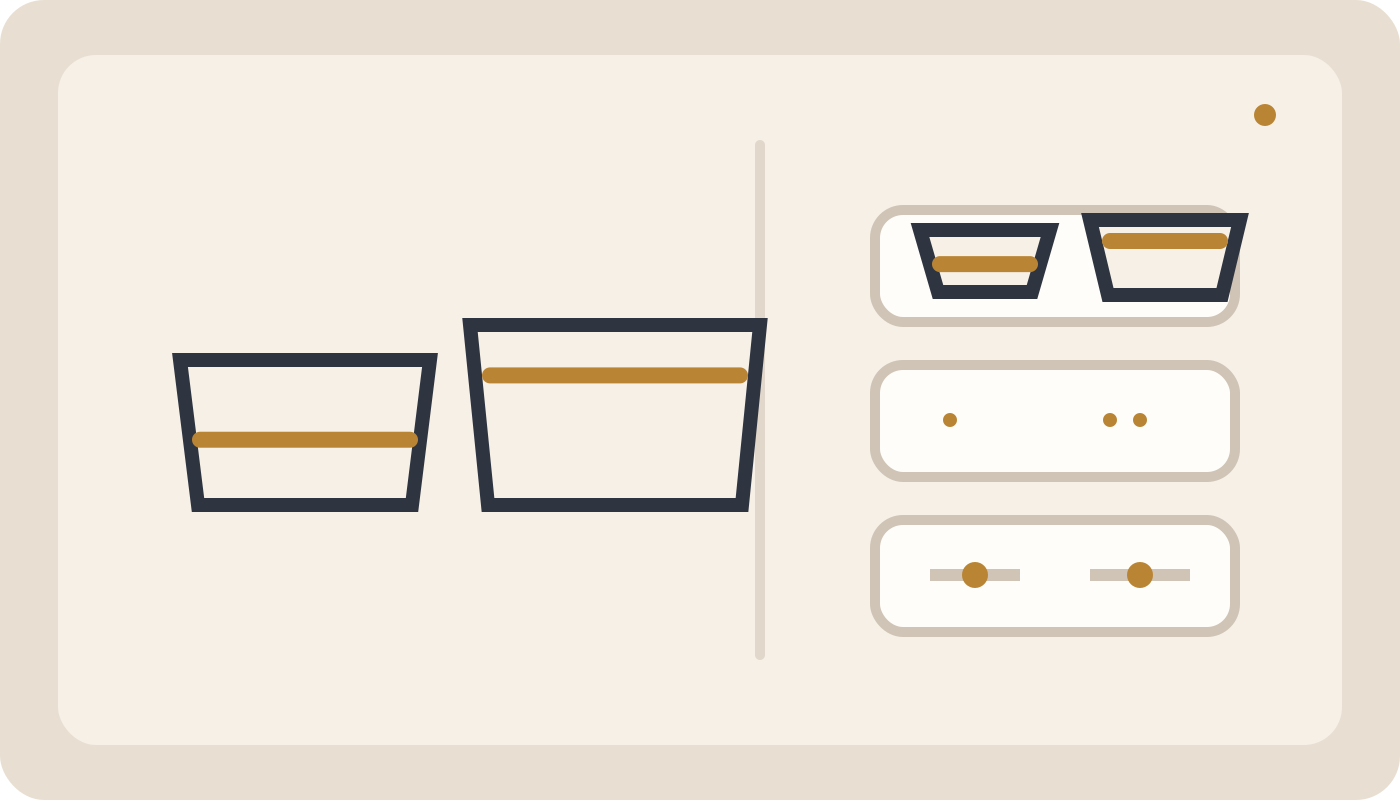
Use the specified capacity of the basket as the starting point and weigh the coffee with a scale. Keep the dose consistent and make small adjustments if the basket is clearly overfilled or underfilled.
Before you start
What does the correct espresso coffee dose mean?
The amount of ground coffee placed in the portafilter basket should match the actual capacity and design of that basket. Single and double baskets can differ in shape, depth, and capacity, so one universal dose cannot be prescribed for every espresso machine.
Quick answer: use the specified capacity of the basket as your starting point, weigh the coffee with a scale, and keep the dose consistent. If the coffee is compressed against the water outlet screen when the portafilter is installed, the basket may be overfilled. If the coffee bed is far too shallow and extraction becomes inconsistent, review both basket capacity and dose.
Why is weighing better than using a scoop?
The same scoop volume can have a different weight when grind size, coffee type, or roast changes. A scale makes the dose repeatable from one shot to the next and allows you to adjust grind size without unintentionally changing another important variable.
How are single and double baskets different?
A single basket is generally designed for less coffee, while a double basket has greater capacity, but the exact amount depends on the basket design. Some baskets or machine instructions provide a recommended range. Those model-specific specifications should take priority over generic numbers found online.
How do you establish a starting dose?
- Select the single or double basket you intend to use.
- Check the recommended capacity in the machine or basket instructions.
- Place the dry portafilter and basket on a scale and zero it.
- Add ground coffee and record the weight.
- Distribute the coffee evenly and prepare it consistently.
- Brew and observe flow and flavor.
- If adjustment is needed, change the dose in small steps while keeping other variables consistent.
How can you recognize an excessive dose?
If installing the portafilter becomes unusually difficult, there is insufficient space above the prepared coffee bed, or the coffee is pressed against the water outlet screen, the dose may exceed the useful basket capacity. Do not force the portafilter closed; review the dose and basket specification instead.
What can happen when the dose is too low?
A dose that is far below the intended basket capacity can leave excessive space above the coffee bed and make consistent extraction more difficult. Do not judge the dose only from the appearance of the spent coffee; flow and flavor should also be considered.
Should single and double baskets use the same grind setting?
Not necessarily. Changing basket geometry and coffee dose can change resistance to water flow, which may require a grind adjustment. When switching baskets, first use a dose appropriate for the selected basket and then refine grind size with small changes.
Why should you keep the dose consistent once it works?
A consistent dose makes troubleshooting easier. If dose changes from one shot to the next while grind size also changes, it becomes difficult to identify why flow or flavor changed. Recording the coffee weight improves repeatability.
Can you use common dose numbers found online?
They can provide general context, but they should not replace the actual capacity of your basket. Household espresso baskets are not all designed the same way, and some machines use pressurized or otherwise specialized baskets. The specifications for the machine are a better reference.
Common mistakes
- Filling the basket to the rim without considering its intended capacity.
- Relying only on scoop volume while expecting perfectly repeatable results.
- Using the same coffee amount for both single and double baskets.
- Changing dose and grind size at the same time.
- Forcing the portafilter into place when the basket is overfilled.
A simple way to record your preferred setup
Once you find a good result, record the basket type, coffee weight, grinder setting, and overall outcome. Use that as the starting point next time. A different coffee may require a new grind adjustment, but the recorded dose remains a useful reference.
Summary
The correct coffee dose begins with the actual basket capacity, not a universal number. Identify the basket, weigh the coffee, keep the dose consistent, and then refine the setup by observing flow and flavor. For the exact capacity of a single or double basket, use the instructions for the specific machine as the final reference.
Basket capacity is model-specific
Similar-looking baskets can have different depth and geometry. Start from the manufacturer’s range when available, then verify headspace, flow, and taste. A single basket is not always simply half the dose of a double basket.
Common mistakes
Change only one variable at a time while diagnosing.
- Do not fill the basket to the rim without considering its intended capacity.
- Do not rely only on scoop volume when repeatability matters.
- Do not assume single and double baskets should use the same coffee amount.
- Do not change coffee dose and grind size at the same time.
- Do not force an overfilled portafilter into place.
Frequently asked questions
How many grams of coffee should I use in a single or double basket?
The exact amount depends on the design and capacity of the basket. Use the specifications for the machine or basket as the starting point.
Why should I weigh the coffee?
Weighing keeps the dose consistent between shots and makes results easier to compare.
How can I tell if the basket is overfilled?
Unusually difficult portafilter installation or strong contact between the coffee and water outlet screen can be warning signs.
Should grind size change when I switch baskets?
It may need adjustment because basket geometry and coffee dose affect resistance to water flow.