How to Remove Stubborn Wrinkles Without Damaging Clothes
A practical guide to removing stubborn wrinkles without shine, scorching, or fabric damage using correct temperature, steam, moisture, pressing cloths, and fabric-specific technique.
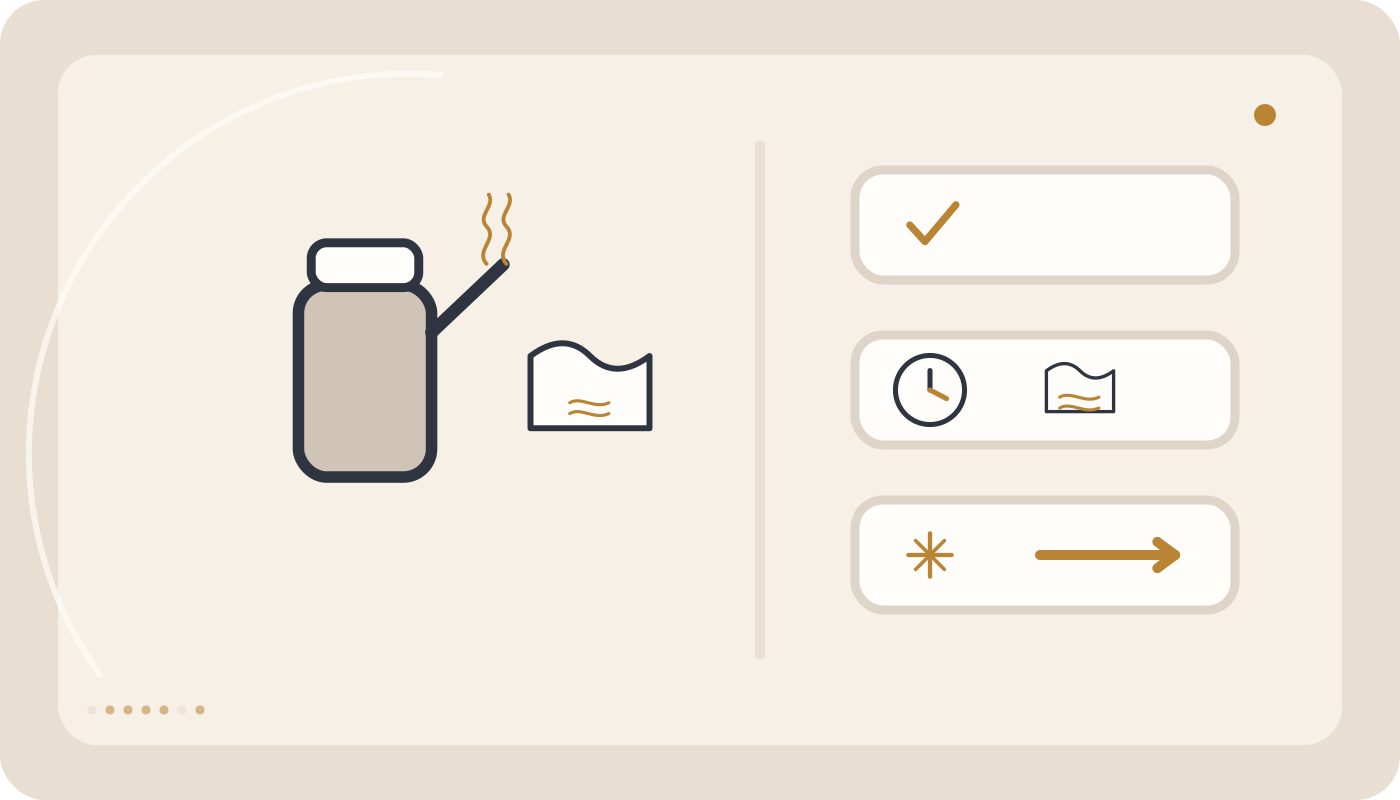
Read the care label, start with the lowest effective temperature, and use controlled steam when permitted. Protect sensitive fabrics with a pressing cloth and use several controlled passes rather than prolonged high-heat contact.
Before you start
How Do You Remove Stubborn Wrinkles Without Damaging Clothes?
Stubborn wrinkles are not best solved by simply adding more heat. Safer, more effective wrinkle removal depends on the right combination of temperature, moisture, steam, contact time, controlled pressure or tension, and fabric knowledge. Excessive heat can create shine, discoloration, crushed texture, damaged prints, or melted synthetic fibers.
Quick answer: Read the care label first, start with the lowest effective temperature, use controlled steam only when permitted, and protect sensitive surfaces with a pressing cloth. For a persistent crease, several controlled passes are safer than holding an extremely hot iron on one spot.
Why stubborn wrinkles form
Fibers can set into a compressed shape through pressure, moisture, heat, and drying. Long-standing folds, over-dried laundry, and garments stored under pressure often need controlled moisture and time to relax.
The care label has priority
The garment’s ironing and steam symbols take priority over general fabric advice. If ironing or steaming is prohibited, do not override that instruction based only on fiber type.
For blends, protect the most sensitive fiber
A cotton-polyester garment should not automatically be treated like pure cotton. The more heat-sensitive component can determine the safe setting.
Increase temperature gradually
Begin at the lowest suitable setting. If steam and several gentle passes work, raising heat further only adds risk.
Why steam works
Heat and moisture temporarily relax fibers and help them return toward a smoother configuration. Controlled steam is often more effective than extreme dry heat.
Standard steam-iron method
- Read the care label and identify the fabric.
- Place the garment on a clean, stable surface.
- Select the appropriate temperature and allow the iron to stabilize.
- If permitted, select an appropriate steam level.
- Smooth the fabric by hand without aggressive stretching.
- Use a pressing cloth on sensitive, dark, or uncertain surfaces.
- Keep the iron moving rather than parking it on one spot.
- Use several short passes for a deep crease.
- Let the garment cool and dry in its smooth position.
What is a pressing cloth?
A thin, clean, colorfast cotton cloth placed between the soleplate and garment. It reduces direct contact and is especially useful for wool, dark formalwear, and fabrics prone to shine.
Cotton
When the label permits, cotton generally tolerates more heat and steam. Controlled moisture helps deep creases, but prolonged soleplate contact can still scorch or discolor it.
Linen
Linen often irons more easily while slightly damp. The goal is controlled moisture, not saturating the garment.
Wool
Avoid aggressive pressure and rubbing. Steam, a pressing cloth, and short controlled pressing are usually safer than dragging the iron hard across the surface.
Polyester and synthetics
Use lower heat, test a concealed area, and consider a pressing cloth. Excessive temperature can cause shine, distortion, or melting.
Silk and delicate fabrics
Use a conservative low-temperature approach and follow the label closely. Some delicate fabrics can show water marks as well as heat damage.
Why dark clothes become shiny
Excessive heat and pressure can flatten the fiber surface and increase light reflection. Ironing from the reverse side and using a pressing cloth reduces this risk.
Never park the iron
Heat exposure depends on contact time as well as temperature. A suitable setting can still damage fabric if the soleplate remains stationary too long.
Does more pressure work better?
Not necessarily. Heavy pressure can crush wool, velvet, textured fabrics, and dark formalwear. Better moisture control is often more useful than brute force.
Using a water mist
If the care label allows it, use a very fine, even mist and test a hidden area first. Large droplets can leave visible marks on some fabrics.
Dryer and basket wrinkles
For over-dried clothing, restore controlled moisture rather than immediately raising temperature. Remove garments promptly from the dryer and avoid leaving damp laundry compressed in a basket.
Packaging fold lines
A deep fold in a new garment may need several controlled steam-and-press cycles. Maximum heat is not an appropriate shortcut.
Seams and pockets
Multiple fabric layers can imprint through to the face. Use controlled pressure, the iron tip, and a pressing cloth or ironing pad where appropriate.
Buttons, zippers, and metal hardware
Do not drag the soleplate across zippers or iron directly over plastic buttons. Work around hardware with the tip to avoid soleplate scratches and heat damage.
Prints, logos, and heat transfers
Do not iron directly over plastic graphics or heat-transfer logos. Turn the garment inside out when permitted and follow the garment maker’s instructions.
Sequins, stones, and glued trims
Heat can soften adhesives. Avoid direct soleplate contact and aggressive steam unless the care instructions specifically permit it.
Using a handheld steamer
Hang the garment, apply gentle tension with the free hand while keeping it safely away from steam, and move the head steadily. Several controlled passes are preferable to prolonged exposure.
Using an upright steamer
Allow full heat-up, keep the hose free of deep loops, and steam the hanging garment with gentle tension. Use several slow passes on thicker areas.
Does a steamer replace an iron?
Steamers are excellent for relaxing wrinkles and refreshing many garments, while an iron remains more precise for sharp creases, collars, cuffs, and some heavy fabrics.
More steam or more heat?
Correct technique, moisture, and time first. Increase temperature only within the range permitted by the care label.
Why test a hidden area?
If composition or finish is uncertain, a concealed hem or internal section can reveal sensitivity to heat, steam, moisture, and pressure before visible areas are affected.
If shine appears
Stop and allow the garment to cool. Further heat and pressure can worsen the effect. Reduce temperature and use the reverse side and a pressing cloth.
If fabric sticks to the soleplate
Lift the iron immediately and switch it off. Do not pull the fabric aggressively from a hot soleplate. Inspect both surfaces once safe.
If color changes
Stop ironing. Excessive heat, a reactive finish, or soleplate contamination may be responsible, and continued ironing can make the damage more permanent.
If the crease still does not release
Reassess fabric type, moisture, technique, and the nature of the line instead of endlessly raising temperature. Some lines are manufacturing presses or permanent finishes and should not be forced out.
Quick fabric guide
| Fabric | Approach | Main risk |
|---|---|---|
| Cotton | Label-approved heat and steam | Scorching from prolonged contact |
| Linen | Controlled moisture + steam | Pressure marks on some finishes |
| Wool | Steam + pressing cloth | Crushing and shine |
| Polyester | Lower heat + hidden-area test | Melting or shine |
| Silk | Low heat and conservative technique | Water marks and heat damage |
| Blends | Protect the most sensitive component | Damage to synthetic fibers |
10 common mistakes
- Starting at maximum temperature.
- Ignoring the care label.
- Leaving the iron stationary.
- Using excessive pressure.
- Ironing directly over prints and trims.
- Dragging the soleplate over zippers or metal parts.
- Using steam when the garment prohibits it.
- Over-wetting the fabric.
- Folding before the garment cools and dries.
- Continuing after shine or discoloration appears.
When should home ironing stop?
If the label prohibits ironing, the finish is unusually delicate or unknown, special trims are present, or the garment is valuable and its care method is uncertain, professional garment care is the safer choice.
Summary
The professional answer to a stubborn wrinkle is not simply “more heat.” Use the correct temperature, steam, moisture, time, and technique. Start with the lowest effective setting, follow the care label, protect sensitive fabrics with a pressing cloth, and use several controlled passes instead of one prolonged high-heat contact.
Editorial safety note
This article was reviewed to separate user-safe checks from faults that require technical inspection, while preserving model-specific manual guidance as the final authority.
Common mistakes
Change only one variable at a time while diagnosing.
- Do not start at maximum heat.
- Do not ignore the care label.
- Do not leave the iron stationary.
- Do not use excessive pressure.
- Do not iron directly over prints or trims.
- Do not drag the soleplate over zippers or metal.
- Do not over-wet the garment.
- Do not fold while warm and damp.
- Do not continue after shine or discoloration appears.
Frequently asked questions
For a stubborn wrinkle, should I use more heat or more steam?
Correct moisture, steam, and technique first; raise heat only within the care-label range.
What is a pressing cloth?
A thin clean cotton cloth placed between the iron and garment to reduce direct contact.
Why do dark clothes become shiny?
Excess heat and pressure flatten fibers and increase light reflection.
What about polyester?
Start at lower heat and test a hidden area first.
Does a steamer replace an iron?
It is excellent for wrinkle release, while an iron offers more precision for collars, cuffs, and sharp creases.
What if the wrinkle still will not release?
Reassess the fabric, moisture, technique, and whether the line is a permanent finish rather than endlessly increasing heat.