
Why Is My Espresso Thin and Weak? 8 Common Causes and Fixes
If your espresso tastes thin or weak, check dose, grind size, beverage yield, coffee freshness, distribution, brewing temperature, basket fit, and machine performance in a controlled order.
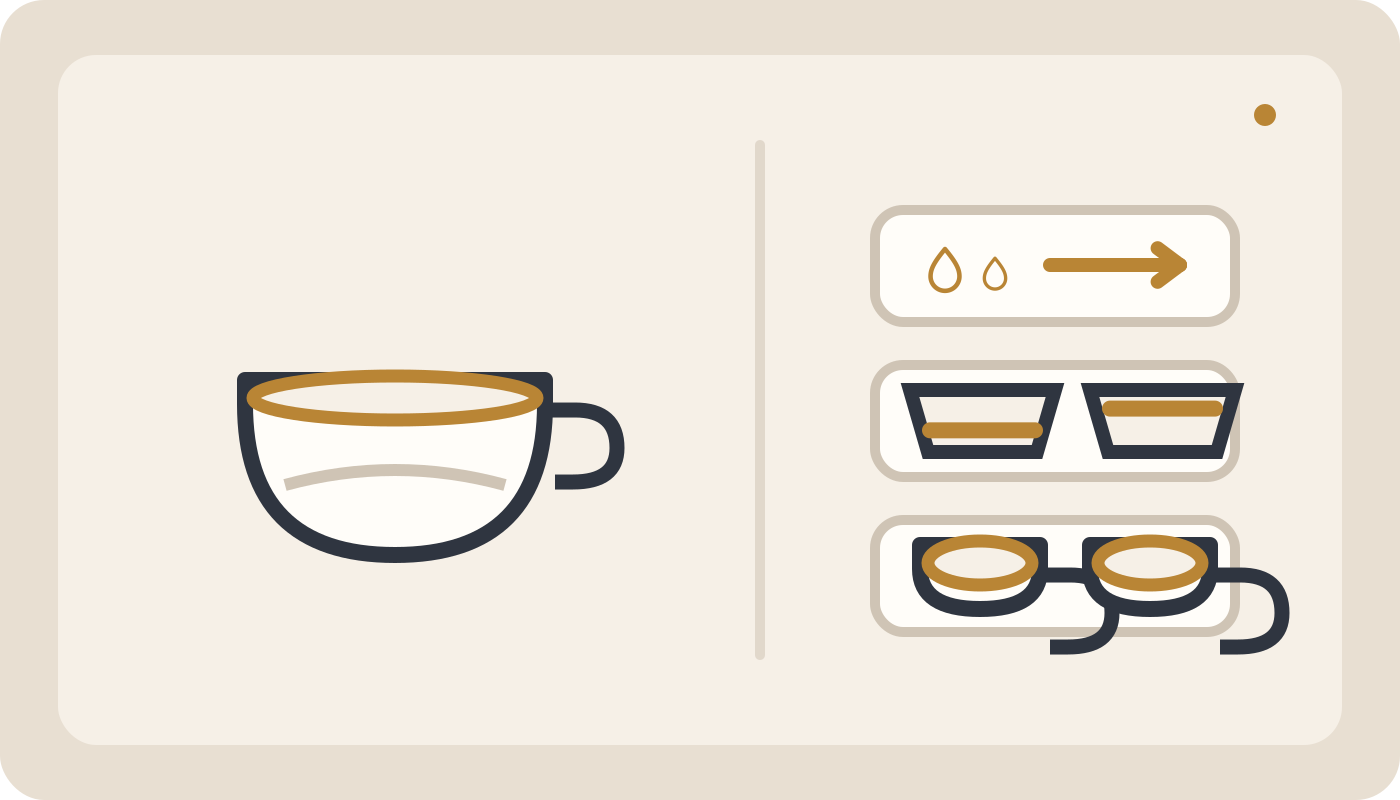
Measure dry coffee dose, beverage yield, and shot time first. If the shot runs fast with a high yield, adjust the grind slightly finer and control the brew ratio, then check freshness, distribution, temperature, and basket fit.
Where should you start?
Why can espresso taste thin and weak?
Thin espresso usually means the water did not extract enough soluble material and oils at the intended concentration. Common causes include a low dose, coarse grind, excessive beverage yield, stale coffee, uneven distribution, low brewing temperature, or an unsuitable basket. Before blaming the machine, measure the dry coffee dose, beverage yield, and shot time.
Baseline test: weigh the dry coffee in the basket and the espresso in the cup, then record the shot time. If the beverage runs fast and the yield is high, correct grind, dose, and brew ratio first.
1. The coffee dose is too low
A dose that is too small for the basket may create insufficient puck resistance and allow water to pass too easily. Use an appropriate dose range for the basket and check puck headspace.
2. The grind is too coarse
A coarse grind reduces resistance and contact area. If the shot finishes quickly with little body, move one step finer and measure the result again.
3. The beverage yield is too high
Running the shot too long can dilute the drink. Instead of judging by cup volume alone, track the ratio between dry coffee dose and beverage weight and begin with a consistent recipe.
4. The coffee is stale
Coffee that has been exposed to air for too long can lose aroma and gas, producing weaker crema and texture. Store coffee appropriately and protect it from heat, moisture, and excessive air exposure.
5. Distribution in the basket is uneven
Dense clumps and empty areas create low-resistance paths for water. Distribute the grounds evenly before tamping and keep the tamp level.
6. Brewing temperature is too low
If the machine has not reached thermal stability, or the portafilter and cup are very cold, extraction may be weaker. Follow the warm-up guidance for the specific machine and preheat components only as recommended.
7. The basket does not match the dose
An oversized basket with a small dose, or an incompatible basket, can create poor puck geometry. Use a basket designed for the machine and suitable for the intended dose.
8. Machine flow, temperature, or pressure needs inspection
If fresh coffee, a suitable dose, a sensible grind, and a controlled brew ratio still produce consistently abnormal shots, water flow, temperature, and brewing pressure may need technical inspection.
Recommended correction order
Measure dose and beverage yield first. Then change one variable at a time, usually grind size. Next check distribution, tamping, coffee freshness, and machine warm-up. Changing several variables together makes diagnosis harder.
When is a machine issue more likely?
If several fresh coffees and reasonable grind and dose settings all produce the same weak result, or water delivery, temperature, or pressure behaves abnormally, technical inspection becomes more appropriate.
This article focuses on body and mouthfeel
Low body is not identical to a watery-tasting shot or simply fast flow. Measure dose, beverage yield, and time, then consider coffee freshness, basket size, and distribution.
Crema alone does not create body. A large basket used with too little coffee can also produce unstable extraction and a thin mouthfeel.
Common mistakes
Change only one variable at a time while diagnosing.
- Do not change several variables at the same time.
- Do not judge the shot by cup volume alone; weigh the beverage.
- Do not compensate for stale coffee with an extremely fine grind.
- Do not use a dose that is unsuitable for the basket.
- Do not evaluate the machine before adequate warm-up.
- Do not disassemble the machine unnecessarily if pressure or temperature behaves abnormally.
Frequently asked questions
Why does my espresso taste thin?
Common causes include a coarse grind, low dose, excessive beverage yield, stale coffee, and uneven distribution.
What should I measure first?
Record the dry coffee dose, beverage weight, and shot time.
Will a finer grind always create more body?
No. Grind adjustments should be gradual; going too fine can choke the flow and create different extraction problems.
Can stale coffee make espresso feel weak?
Yes. Coffee freshness affects aroma, crema, and mouthfeel.
When should the machine be inspected?
If fresh coffee and several reasonable dose and grind settings still produce abnormal flow, temperature, or pressure, technical inspection is appropriate.
Related guides and products
Still having the problem?
If safe user-level checks do not solve the issue, do not open the appliance. Submit a service request for technical inspection.