
Why Does Espresso Taste Bitter? 8 Common Causes and Fixes
If espresso tastes harshly bitter, burnt or drying, check an overly fine grind, slow flow, high temperature, a long beverage ratio, dark roast and coffee residue one step at a time.
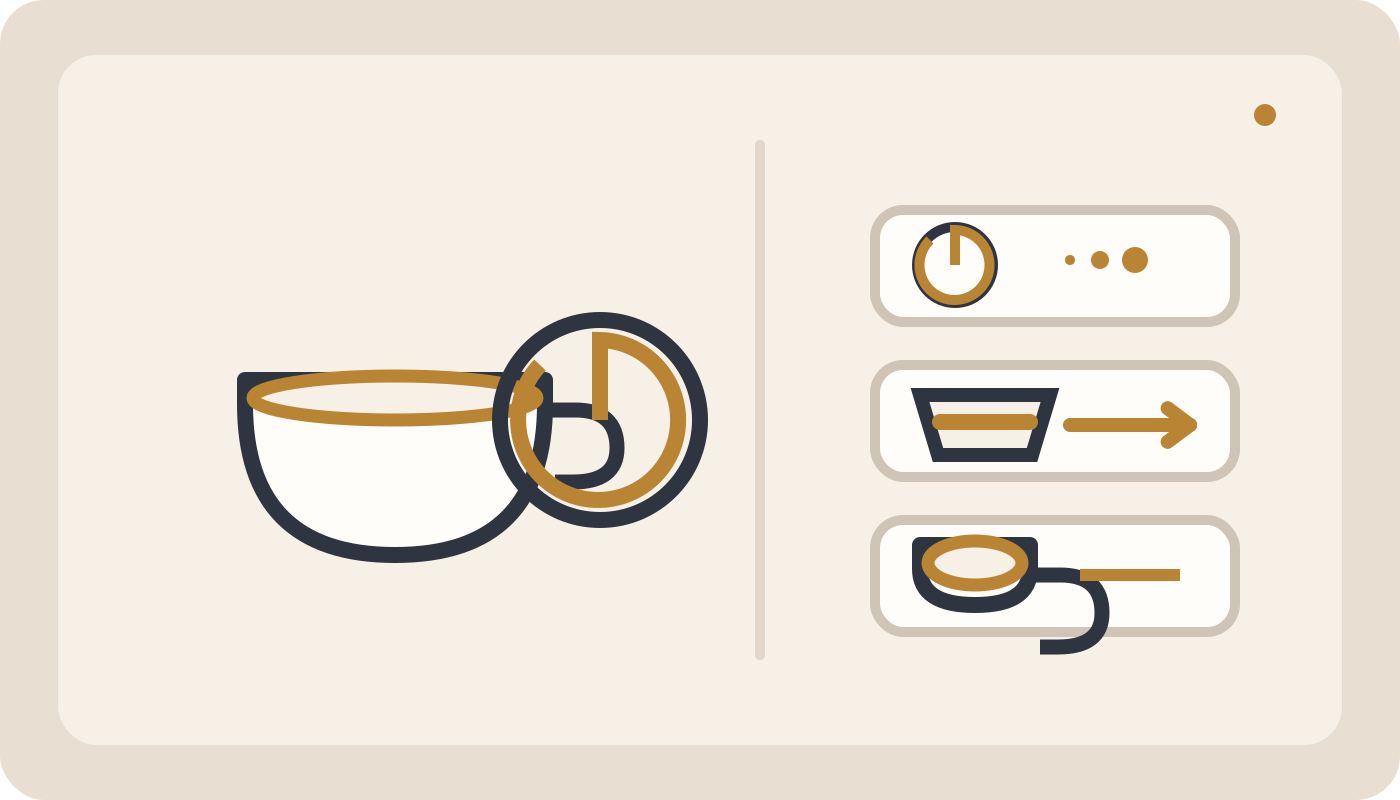
Harsh bitterness is often associated with over-extraction or a dark roast. If the shot is slow, move only one step coarser, then check beverage ratio, temperature, cleanliness and the coffee profile.
Where should you start?
Why can espresso taste bitter?
Bitterness is a natural part of coffee, but when the cup becomes harsh, burnt, drying or unpleasantly persistent, extraction balance and preparation conditions deserve attention. The goal is not to remove all bitterness; it is to create a cup where bitterness is balanced by sweetness, texture and aroma.
Baseline test: if the shot is both bitter and very slow, start with Article 005. If flow speed looks normal but bitterness remains, check temperature, beverage ratio, roast level and cleanliness of the coffee path.
1. The grind is too fine
An overly fine grind raises puck resistance and extends contact time. If the shot is slow and the cup feels dry and heavy, move only one step coarser and compare the next shot with the same dose and tamping method.
2. Extraction is running too long
Continuing the shot past its balanced point can bring more bitter and drying compounds into the cup. Do not use time alone; evaluate flow, beverage ratio and taste together.
3. The beverage ratio is too long
If a fixed coffee dose produces a very large beverage, the later part of extraction can taste thin yet bitter and dry. Reduce the beverage yield slightly and compare the result.
4. Water temperature is too high for the coffee
Higher temperature can intensify extraction, especially with darker roasts. If the machine provides temperature control, make a small adjustment. Excessive reduction can create an underdeveloped sour cup, so change temperature gradually.
5. The coffee is very darkly roasted
Dark roasts naturally carry more roasted and bitter flavors. If the machine and extraction are stable but bitterness still dominates, part of that character may come from the coffee itself. A medium roast can provide a useful comparison.
6. Channeling is creating mixed extraction
Channeling does not always create only a fast shot. One part of the puck can over-extract while another under-extracts, producing a cup that tastes bitter, sharp and inconsistent at the same time. Check distribution and keep the tamp level.
7. Old coffee oils or residue are affecting flavor
Stale coffee oils on the basket, portafilter, shower screen or other cleanable coffee-contact parts can create harsh, old flavors. Clean only the parts permitted by the product manual and avoid unsuitable cleaning chemicals.
8. The cup or portafilter is being overheated
Preheating is useful, but excessive heat exposure or unnecessary high-temperature settings can influence the drinking experience. Follow the guidance for the specific machine model.
Recommended correction sequence
Check flow speed first. If the shot is slow, move only one step coarser. Then review beverage ratio, temperature and cleanliness of the basket and portafilter. Finally, consider roast level and the natural character of the coffee. Change only one variable at a time.
How is normal bitterness different from unpleasant bitterness?
Desirable bitterness is usually supported by sweetness, body and a balanced finish. Unpleasant bitterness is more likely to taste burnt, ashy, medicinal, drying or excessively persistent. Taste and repeatability matter more than one isolated time or pressure number.
Bitterness and astringency are different
Harsh roast bitterness, prolonged extraction, and high temperature differ from the dry, puckering sensation that can come from uneven extraction.
Keep brew ratio under control and clean old coffee oils from approved removable parts. Dark roasts may retain more inherent bitterness even with correct technique.
Common mistakes
Change only one variable at a time while diagnosing.
- Do not move several grind steps coarser at once.
- Do not drop temperature excessively just to remove bitterness.
- Do not judge over-extraction from shot time alone.
- Do not change several variables at the same time.
- Do not assume the natural bitterness of a dark roast is a machine fault.
- Do not use unsuitable cleaning chemicals on coffee-contact parts.
Frequently asked questions
Why does my espresso taste very bitter?
An overly fine grind, long extraction, high temperature, long beverage ratio or dark roast are common causes.
Will grinding coarser always fix bitter espresso?
No. If flow is already fast, a coarser grind can make the shot weaker. Check flow speed first.
Are dark roasts naturally more bitter?
Usually yes. Dark roasts carry stronger roasted and bitter flavors, but the cup should still remain balanced and drinkable.
Can a dirty portafilter affect flavor?
Yes. Old coffee oils on the basket and portafilter can create stale and bitter flavors.
What should I do if espresso is both bitter and very slow?
Start with Article 005. That combination commonly points to high puck resistance and over-extraction.
Related guides and products
Still having the problem?
If safe user-level checks do not solve the issue, do not open the appliance. Submit a service request for technical inspection.