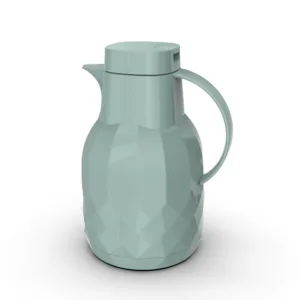
Why Does a Flask Keep Temperature for Less Time After a While?
If your flask no longer holds heat or cold as well as before, the reason may range from no preheating and frequent lid opening to a worn gasket or insulation decline.
A flask usually loses temperature performance because of skipped preheating or precooling, frequent lid opening, low fill level, a dirty or worn gasket, or in more serious cases insulation damage. Check usage habits and sealing first; if the outer body becomes unusually warm or sweaty, insulation loss is more likely.
Where should you start?
Why Does a Flask Keep Temperature for Less Time After a While?
If your flask no longer keeps drinks hot or cold as well as it did when it was new, that does not always mean complete failure. Frequent lid opening, skipping preheating or precooling, partially filling the vessel, a worn seal, interior residue, incorrect cleaning, impact damage, and in more serious cases loss of vacuum insulation can all shorten temperature retention. If the outer body becomes noticeably warm with a hot drink inside, or a cold flask develops unusual condensation quickly, insulation loss becomes more likely.
Quick answer: Common reasons for reduced temperature retention include no preheating or precooling, frequent lid opening, low fill level, a dirty or worn gasket, and in more serious cases damage to the insulated structure. Start by checking your usage pattern, lid and seal cleanliness, and the starting temperature of the drink. If the outer body becomes unusually warm or sweaty despite correct use, insulation failure is more likely.
Common causes at a glance
| Symptom | Likely cause | First action |
|---|---|---|
| Drink turns lukewarm too soon | No preheating or precooling | Condition the flask before filling |
| Fast temperature drop after repeated serving | Frequent lid opening | Open less often and close promptly |
| Retention weaker than before | Worn seal or imperfect lid fit | Clean and inspect the gasket and lid seat |
| Outer body warms quickly | Insulation loss | Assess the flask condition carefully |
| Stains or lingering odor inside | Residue buildup | Clean thoroughly and dry fully |
| Performance fell after an impact | Internal damage or distorted lid fit | Inspect the body, lid, and seal |
1. Reduced performance is not always total failure
Often the flask is still fundamentally sound, but the way it is being used makes it seem weaker. For example, pouring a hot drink into a cold flask means part of the heat is spent warming the interior. The same logic applies in reverse with cold drinks in a warm flask.
2. Skipping preheating or precooling is a major reason
For hot drinks, fill the flask with hot water for a few minutes, then empty it before adding the actual beverage. For cold drinks, cool the interior first using a suitable method allowed by the product guidance. This reduces the amount of energy lost to conditioning the flask itself.
3. The starting temperature of the drink matters
A flask does not generate heat or cold; it only slows down temperature change. If tea or coffee is not very hot to begin with, or a cold drink is not well chilled, the final result will feel weaker even if the flask is functioning normally.
4. Frequent lid opening reduces retention
Every time the lid opens, heat or cold escapes and room air enters. In work or serving situations where the flask is opened many times, effective temperature retention will naturally be shorter than in a closed test.
5. Fill level also affects performance
A half-filled flask holds more air space, which can increase temperature loss. You still must remain within the allowed fill level, but within that limit, a fuller flask usually performs better.
6. The lid and gasket are critical
Many users focus only on the body, but a significant amount of heat or cold can be lost around the lid area. If the gasket is deformed, dry, cracked, dirty, or not seated correctly, both leakage and weaker temperature retention can follow.
7. Do not ignore dirt around the sealing surfaces
Tea, coffee, sugar, or drink residue on threads and sealing areas can prevent full closure. A careful cleanup of those areas can sometimes restore better performance.
8. Incorrect cleaning can contribute to decline
Using unsuitable cleaners, striking the flask during washing, or storing it damp and closed can promote odor, staining, seal wear, or damage to certain parts. Clean and dry the flask according to the material and model instructions.
9. Interior residue can influence the experience
Tea, coffee, and infusion residues may build up over time. They are not always the sole cause of performance loss, but together with poor sealing and poor cleaning they can make the flask feel less effective.
10. Can impact damage cause performance loss?
Yes. Dropping the flask or exposing it to a strong impact can damage the inner vessel, the lid fit, the mouth, or the insulated structure. Even if the outer shell only shows a small dent, performance may no longer be the same.
11. Signs of insulation loss
If a hot-filled flask quickly develops noticeable warmth over broad areas of the outer body, or a cold-filled flask quickly develops heavy exterior condensation, insulation weakness becomes more likely. This is different from a mildly warmer lid area, which can sometimes be less concerning.
12. Normal variation versus real failure
If better preheating, proper cleaning, and fully closing the lid noticeably improve results, the main issue is probably usage or maintenance. If severe decline remains despite correct handling, suspect the seal or insulated structure.
13. Both glass-lined and stainless designs can lose performance
The internal construction differs, but both depend on correct use, cleanliness, and a healthy lid system. Glass-lined flasks can be more vulnerable to impact, while stainless insulated flasks can suffer from lid or insulation issues.
14. Capacity affects the experience
If you use a large flask for a small amount of drink, the result may feel weaker. Matching capacity to your real usage can improve everyday satisfaction.
15. Cold environments and repeated serving matter
Opening the flask outdoors, in a cold room, or during repeated movement can reduce effective retention. Quoted performance figures are often based on more controlled conditions.
16. Drink composition matters too
Ice, added cold milk, drink thickness, or serving habits can alter the perceived result. Not every temperature drop means the flask is defective.
17. A step-by-step check
- Wash and dry the flask thoroughly.
- Inspect the lid, threads, and gasket for dirt or deformation.
- Preheat the flask for a hot-drink check.
- Fill with a genuinely hot drink to the allowed level.
- Close the lid fully and avoid frequent opening during the check.
- Monitor the outer body for unusual warmth.
- Compare the result with your earlier experience.
18. What if the outer body becomes warm?
If heat is clearly felt through the main outer body, that is not a good sign and may indicate insulation loss. In that case, cleaning or replacing the gasket alone may not restore full performance.
19. What if only the lid area feels a little warm?
A small temperature difference around the lid can be less unusual because the lid construction differs from the main body. The key question is whether overall retention has become severely worse.
20. Can gasket replacement help?
Yes, if the problem is mainly sealing. A clean, intact, properly seated gasket can improve both leak resistance and heat retention. It will not solve true insulation failure, however.
21. User errors that make a flask seem weaker than it is
| Error | Effect |
|---|---|
| Pouring a drink into an unconditioned flask | Faster initial temperature drop |
| Opening the lid repeatedly | Repeated heat or cold loss |
| Underfilling | More air space inside |
| Closing the lid imperfectly | Weaker sealing |
| Dirty or worn gasket | Temperature loss and sometimes leakage |
| Impact damage or dents | Possible structural damage |
22. Storing the flask damp and closed is not ideal
If the flask remains moist and closed after washing, odor and hygiene issues can develop. Dry it fully and, where appropriate, leave it slightly open until complete drying is achieved.
23. When is the problem more than maintenance?
If you have corrected usage, confirmed the gasket is healthy, closed the lid properly, and started with the right beverage temperature, yet performance is still markedly poor, structural decline becomes more likely.
24. The same logic applies to cold drinks
If a flask used for cold beverages warms faster than before, lack of precooling, repeated opening, low fill level, and insulation decline can all contribute. The principle is the same; only the direction of temperature change differs.
25. Is filling with very hot liquid always acceptable?
Always follow the product guidance. Many flasks are made for normal hot beverage use, but filling practice, thermal shock precautions, and product-specific limits still matter.
26. Is some decline over time natural?
Over long use—especially if the product has seen impacts, incorrect cleaning, or heavy daily use—some change in performance may occur. Sudden or severe decline, however, deserves closer attention.
27. When is replacement more sensible?
If the main body clearly leaks heat, the insulated structure is compromised, or essential sealing parts are no longer restorable, replacement may be more sensible than relying on a flask that has lost its core function.
Common mistakes
- Using the flask without preheating or precooling
- Judging performance while opening the lid repeatedly
- Ignoring gasket cleanliness and condition
- Using an oversized flask for a very small amount of drink
- Ignoring the effect of drops and dents
- Assuming every temperature drop means total failure
- Cleaning incorrectly and storing the flask damp and closed
- Ignoring unusual warmth or exterior condensation on the main body
Conclusion
Reduced flask temperature retention usually comes from a mix of usage habits, lid and gasket condition, cleanliness, and in some cases the health of the insulated structure itself. Start with the simpler causes: preheating or precooling, drink starting temperature, lid opening frequency, fill level, and seal cleanliness. If the outer body becomes unusually warm or wet and performance remains poor despite correct use, insulation damage becomes more likely.
Common mistakes
Change only one variable at a time while diagnosing.
- Using the flask without preheating or precooling.
- Opening the lid too often while judging performance.
- Ignoring gasket cleanliness and condition.
- Using an oversized flask for a small drink volume.
- Ignoring dents and impact damage.
- Assuming every temperature drop means total failure.
- Cleaning incorrectly and storing the flask damp and closed.
- Ignoring unusual warmth or condensation on the main outer body.
Frequently asked questions
Why is my flask not keeping drinks hot like before?
Common reasons include no preheating, frequent lid opening, gasket wear, and in some cases insulation decline.
Can replacing the gasket help?
Yes, if the main problem is sealing; not if the insulated structure is damaged.
Is a warm outer body normal?
A slightly warmer lid area can differ, but obvious warmth on the main body is not a good sign.
Does a half-filled flask perform worse?
Yes, extra air space inside can increase temperature loss.
Can dropping a flask reduce performance?
Yes, impact can damage the sealing system, mouth, or insulated structure.