
Why Does the Iron Soleplate Leave Stains on Clothes?
Diagnose iron stains accurately, from burnt fibers and soleplate contamination to brown steam water, mineral scale, unsuitable tank additives, and fabric shine.
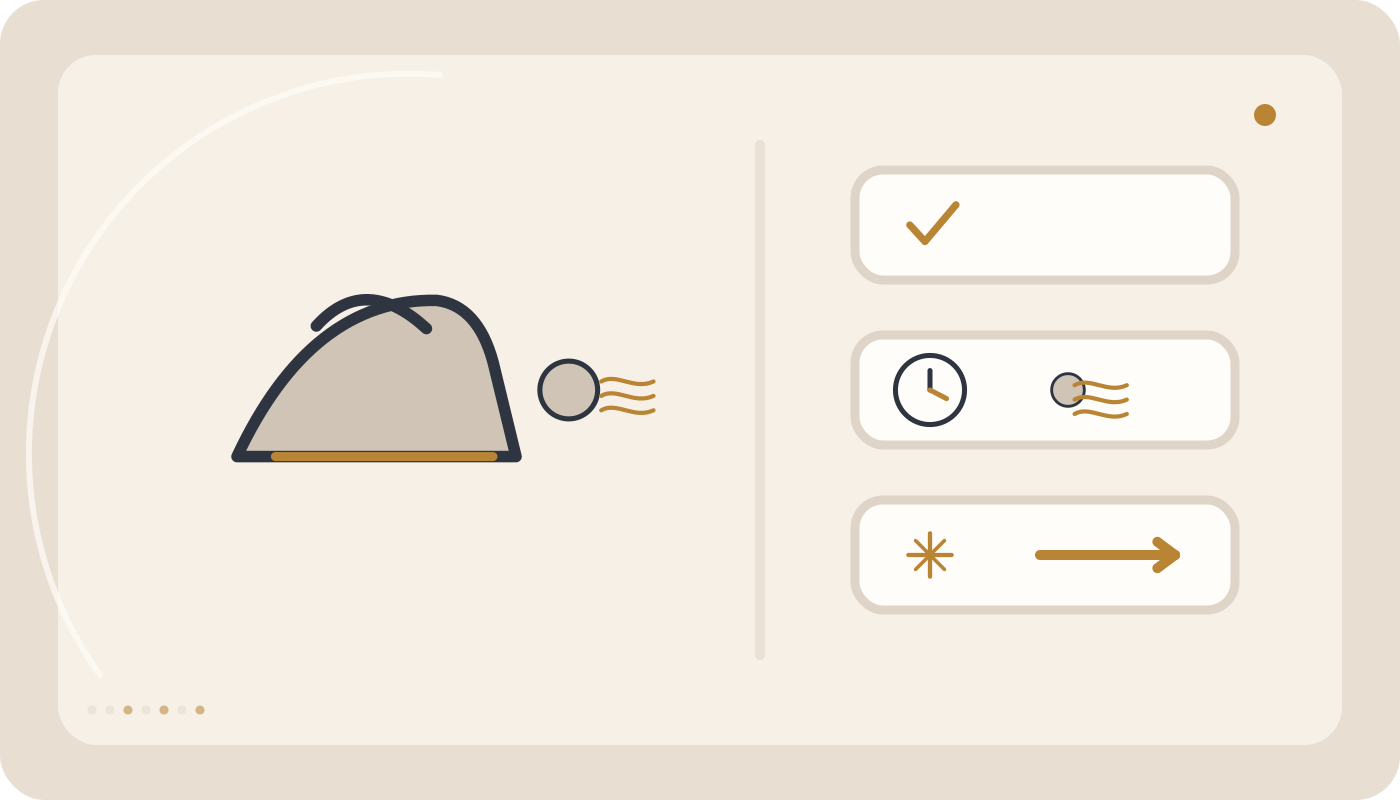
Determine whether the mark comes from the soleplate surface or from steam outlets. Test a clean white cloth once without steam and once with steam. Clean the soleplate only with a non-abrasive approved method.
Where should you start?
Why Does the Iron Soleplate Leave Stains on Clothes?
Iron stains usually come from one of three sources: burnt contamination on the soleplate, dirty water or deposits leaving the steam holes, or substances on the garment transferring onto the hot soleplate. Identifying whether the mark is black, brown, white, sticky, oily, or simply shiny helps identify the correct remedy.
Quick answer: Stop ironing the actual garment, unplug the iron, and inspect the soleplate and steam holes once safe and cool. Test on a clean white cloth. If the stain comes from the surface, clean the soleplate only with a non-abrasive method approved for that model. If dirty water or particles emerge with steam, investigate the tank, scale, and approved Self-Clean or Anti-Calc system.
Identify the type of mark first
| Mark on clothing | Likely cause | First check |
|---|---|---|
| Black streak or mark | Burnt fibers or soleplate contamination | Soleplate surface |
| Brown wet mark | Contaminated water, old deposits, or foreign material | Steam-hole output |
| White grains or streaks | Mineral scale | Anti-Calc / Self-Clean |
| Sticky or oily mark | Fabric product or residue on soleplate | Garment and soleplate |
| Shiny patch without color | Excess heat or direct pressure | Temperature and technique |
1. Fabric fibers have burnt onto the soleplate
Excessive heat on synthetic fibers, garment prints, or sensitive trim can melt a small amount of material onto the soleplate. That residue can then transfer to the next garment.
2. The selected temperature is too high
Polyester, nylon, acetate, and many synthetic fibers require less heat than cotton or linen. Excessive temperature can damage the garment and contaminate the soleplate.
3. A print, logo, or plastic decoration has stuck to the iron
Do not place the soleplate directly on plastic prints, heat transfers, labels, or heat-sensitive decoration unless the garment instructions permit it.
4. Starch or ironing spray has accumulated
Spray reaching a hot soleplate, or excessive product on fabric, can create a sticky film that darkens with heat.
5. Laundry products remain in the fabric
Residual detergent or softener can react under heat. If the issue occurs only with particular garments, inspect the fabric and laundering process as well as the iron.
6. The soleplate remained dirty after a previous use
Even a small burnt spot can become a long streak when the iron moves. Inspect the cool soleplate before ironing light-colored clothing.
7. Brown water is coming from the steam holes
If the mark appears together with steam or droplets, the source may be inside the steam system rather than on the soleplate surface.
8. White particles fall onto clothing
This points more toward mineral scale and should be handled through the model’s Anti-Calc, Self-Clean, or Calc Collector maintenance.
9. An unsuitable substance was added to the tank
Fragrance, starch, detergent, essential oils, or homemade mixtures can leave stains when heated. Use only water or additives explicitly approved by the manufacturer.
10. Water has remained in the tank for too long
If the manual recommends emptying the tank after use, follow that guidance to reduce standing water and contamination.
11. The soleplate was cleaned with an unsuitable product
Some cleaners can leave residue that transfers to clothing at the next heating cycle. Complete all residue-removal steps after cleaning.
12. An abrasive pad has damaged the soleplate
Scratches can retain more residue and fibers. Coated, ceramic, and non-stick soleplates require non-abrasive cleaning.
13. Steel wool and blades are not appropriate solutions
Metal tools can permanently scratch the soleplate coating and worsen glide. Physical coating damage cannot be reversed by further cleaning.
14. Is baking soda safe for every soleplate?
No. Abrasive powders can scratch some coatings or enter steam holes. The model’s cleaning instructions take priority.
15. Is vinegar suitable for cleaning the soleplate?
Any acidic surface treatment must be compatible with the soleplate material. Vinegar should not be treated as a universal solution for every coating or for the water tank.
16. At what temperature should the soleplate be cleaned?
For safety, the iron should normally be disconnected from power. If a dedicated cleaner specifically requires a warm soleplate, follow only that product’s and the iron manufacturer’s instructions.
17. Is the stain from the steam holes or the soleplate?
Use a clean white test cloth. First glide the iron over one section without steam, then test steam on another section. This helps separate surface contamination from internal steam contamination.
18. If it stains even without steam
Soleplate contamination becomes more likely. Once cool, inspect the tip, edges, and areas around steam holes under good lighting.
19. If staining occurs only with steam
The tank, water type, scale, and internal steam path become more important. Use only the official Self-Clean or Anti-Calc procedure.
20. If stains are visible only on light clothing
Contamination may be transferring to every garment but is simply less visible on dark colors. A white test cloth is the best diagnostic surface.
21. If the problem occurs only on one fabric type
Incorrect temperature, fabric coatings, printing, laundry products, or fiber sensitivity may be responsible. Check the care label.
22. Fabric shine is different from a dirty stain
Dark wool and formal fabrics can develop shiny areas from excessive heat and pressure even when nothing dirty has transferred from the iron. A pressing cloth and ironing from the reverse can help.
23. Why do collars and cuffs show marks more easily?
These areas often contain more skin oils, cosmetics, or laundry residue. Heat can make those substances more visible or transfer them to the soleplate.
24. Why does a stain form a long streak?
A streak following the iron’s movement often indicates residue stuck to the soleplate and being spread across the fabric.
25. Why are stains aligned with steam holes?
Individual spots corresponding to the outlet pattern suggest dirty water, mineral particles, or contamination leaving the steam system.
26. Can mineral deposits appear brown?
Dark discharge is not necessarily pure mineral scale. It can be a mixture of aged deposits, contamination, or foreign substances.
27. Why does staining continue after Self-Clean?
Loosened material may remain in the steam path. Complete the specified flushing steps and perform several test discharges on a white cloth.
28. Why did staining become worse after soleplate cleaning?
Cleaner residue may remain, or the coating may have been damaged. Stop adding more products and review the approved cleaning method.
29. Can a scratched soleplate still be used?
A light cosmetic mark is different from coating failure. If the soleplate catches fabric, flakes, or develops a sharp edge, avoid delicate garments and consider technical inspection.
30. When can staining indicate an internal fault?
Persistent dirty discharge, housing leakage, severe steam loss, or a problem that remains after approved maintenance can indicate an internal water-path, seal, or control issue.
Step-by-step diagnosis
- Unplug the iron and allow it to become safe for inspection.
- Inspect the soleplate for burnt residue, stickiness, and deposits.
- Check the tank for old water or foreign substances.
- Test a clean white cloth without steam.
- Test another area of the cloth with steam.
- If only dry ironing stains, focus on the soleplate.
- If only steam stains, investigate water and scale.
- Perform the model’s approved cleaning or Self-Clean procedure.
- Retest on white cloth before returning to the actual garment.
How should the soleplate be cleaned?
The correct method depends on the soleplate material. In general, use a soft cloth, a non-abrasive method, and a manufacturer-approved cleaner. Do not pack steam holes with paste or powder that can remain inside the steam path.
For delicate garments
- Test on a hidden area first.
- Follow the fabric care label.
- Use a pressing cloth for wool and dark formal fabrics.
- Do not iron directly over prints or decoration.
- Start with the lowest effective temperature.
- After cleaning the iron, test it on white cloth first.
What should you avoid?
- Do not scrape burnt residue with blades or steel wool.
- Do not use abrasive powder without confirming compatibility.
- Do not add detergent, fragrance, or starch to the water tank.
- Do not treat vinegar or descaler as a universal tank cleaner.
- Do not put a hot iron under cold water.
- Do not use an expensive garment as a test cloth.
- Do not continue on delicate fabric if the coating is flaking or sharp.
- Do not dismiss housing leakage as a dirty-soleplate issue.
When should use stop immediately?
Switch off and unplug the iron if staining is accompanied by electrical burning odor, smoke, sparking, water leaking from the housing, abnormal heating of the cord, or intermittent power. These are not ordinary soleplate-cleaning symptoms.
When is technical service needed?
If the soleplate has been cleaned correctly, the tank and water are appropriate, and approved Self-Clean or Anti-Calc maintenance has been completed but contaminated water or particles continue to emerge, or the soleplate coating is seriously damaged, technical inspection is preferable to further home experiments.
Summary
To diagnose garment staining, determine whether contamination comes from the soleplate surface or the steam system. Separate dry and steam tests on a clean white cloth make this distinction much easier. Clean the soleplate non-abrasively, avoid unapproved tank additives, and seek service if contaminated output persists after approved maintenance.
Editorial safety note
This article was reviewed to separate user-safe checks from faults that require technical inspection, while preserving model-specific manual guidance as the final authority.
Common mistakes
Change only one variable at a time while diagnosing.
- Do not scrape the soleplate with blades or steel wool.
- Do not use abrasive powders without checking compatibility.
- Do not add detergent, fragrance, or starch to the tank.
- Do not treat vinegar or descaler as a universal iron cleaner.
- Do not put a hot iron under cold water.
- Do not use expensive clothing as a test surface.
- Do not continue on delicate fabric with a flaking soleplate.
- Do not dismiss housing leakage as surface dirt.
Frequently asked questions
How can I tell whether staining comes from the soleplate or steam?
Test a white cloth first without steam and then on another area with steam.
Why does the iron leave black streaks?
Burnt fibers or contamination on the soleplate can transfer as the iron moves.
What causes brown stains with steam?
Contaminated water, aged deposits, or foreign material in the steam system are possible causes.
Is steel wool safe for an iron soleplate?
No. It can permanently scratch the coating.
Is fabric shine the same as a dirty iron stain?
No. Shine is commonly caused by excessive heat or pressure rather than transferred dirt.
When is service needed?
When dirty water or particles persist after approved cleaning, or the soleplate coating is seriously damaged.
Related guides and products
Still having the problem?
If safe user-level checks do not solve the issue, do not open the appliance. Submit a service request for technical inspection.