
Why Is My Steam Iron Producing No Steam or Weak Steam?
Before repairing a steam iron with weak or no steam, check the water level, steam and temperature settings, warm-up time, mineral scale, soleplate outlets, and Anti-Calc system.
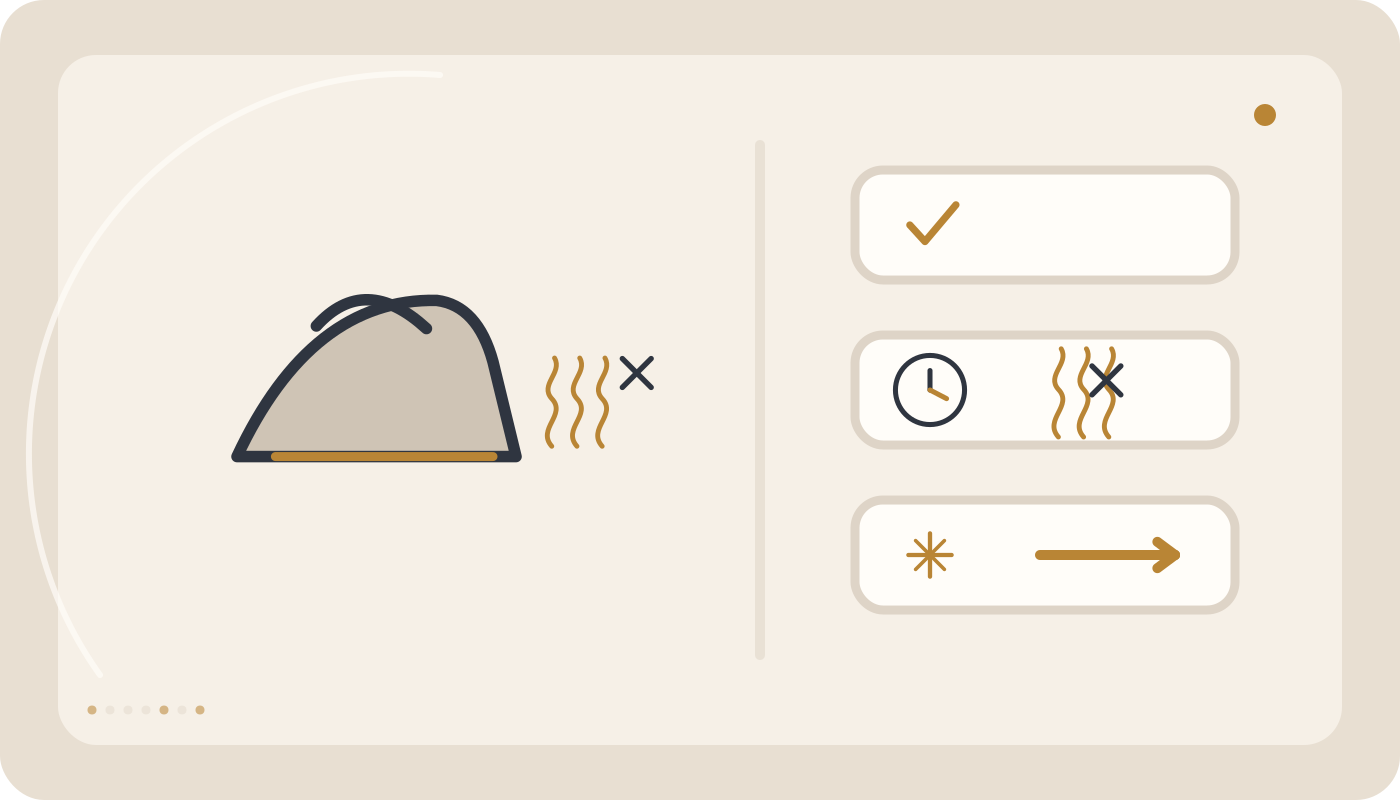
Check the tank water, steam control, steam-capable temperature, and full warm-up first. If output remains weak, inspect the soleplate outlets and use only the model's approved Anti-Calc or Self-Clean procedure.
Where should you start?
Why Is My Steam Iron Producing No Steam or Weak Steam?
Weak or missing steam does not automatically mean that the heating element has failed. Common causes include steam and temperature settings, low water level, insufficient warm-up, mineral scale, blocked soleplate outlets, tank problems, or incorrect operating technique. A structured check can separate simple operating issues from an actual fault.
Quick answer: Check the water level, steam control, and selected temperature first, then allow the iron to reach full operating temperature. If steam remains weak, inspect the soleplate outlets and use the model’s approved Anti-Calc or Self-Clean procedure. Never add vinegar, descaler, or detergent to the tank unless explicitly approved by the manufacturer.
Eight checks before troubleshooting further
- Is there enough water in the tank?
- Is the steam control set to Off or minimum?
- Is the selected temperature high enough for steam?
- Has the iron fully heated?
- Is Dry or a steam-limiting Eco mode active?
- Are soleplate steam holes restricted?
- Is the tank and its cap correctly fitted?
- Are you using the water recommended for the model?
Quick diagnosis
| Symptom | Likely cause | First check |
|---|---|---|
| No steam at all | Steam setting, low temperature, empty tank, or blockage | Water, temperature, steam control |
| Weak but continuous steam | Partial scale or low setting | Setting and anti-scale maintenance |
| Steam starts then stops | Heat recovery or water-flow issue | Warm-up and tank |
| Steam from only a few holes | Local soleplate blockage | Approved outlet cleaning |
| Water spits with steam | Insufficient heat, excessive steam demand, or scale | Temperature, steam setting, maintenance |
1. The tank is empty or nearly empty
Start with the simplest cause. A very low water level can make water delivery unstable on some designs. Fill only to the permitted level and never above MAX.
2. The steam control is set to zero
Many irons have a steam control independent of temperature. The soleplate can be hot while the steam selector remains on Dry or zero.
3. The soleplate temperature is too low for steam
The iron must convert water into vapor. At settings intended for delicate fabrics, some models limit or disable steam to prevent liquid water from leaving the soleplate.
4. The iron has not fully heated
After switch-on or a temperature change, allow time for thermal stabilization. Use the Ready indicator or the model-specific indicator behavior.
5. Dry mode is active
A steam iron can also operate as a dry iron. Continuous steam should not be expected while Dry mode is selected.
6. Eco mode reduces steam output
On models with Eco operation, reduced water or energy consumption can mean lower steam output than Max mode. This is not necessarily a fault.
7. Mineral scale is restricting soleplate holes
Minerals can gradually accumulate around steam outlets. If only part of the soleplate produces steam or the pattern becomes uneven, local restriction is possible.
8. Internal steam passages contain scale
The soleplate may look clean while deposits exist in the steam chamber or internal channels. Gradual steam loss, hard-water use, and white particles are useful clues.
9. Self-Clean has not been used for a long time
If the iron includes Self-Clean, it is intended for periodic maintenance. Temperature and procedure vary by model, so follow the manual exactly.
10. The Anti-Calc collector or rod needs maintenance
Some irons include a removable Anti-Calc component. Clean or remove it only according to the instructions for that model.
11. The water type is unsuitable
Very hard water can accelerate scale. Conversely, distilled water should not automatically be assumed suitable for every iron. Follow the manufacturer’s water recommendation.
12. An additive has been placed in the tank
Fragrance, starch, detergent, or descaling chemicals can contaminate water and steam passages unless the appliance was specifically designed for them.
13. A removable tank is not seated correctly
On irons with removable tanks, incomplete installation can interrupt water delivery. The tank should lock into its intended position without abnormal force.
14. The tank cap is not fully closed
An incorrectly closed cap can cause leakage or irregular water behavior. Check it before operation.
15. The iron has been stored for a long time
Standing water and dried mineral deposits can restrict flow after long storage. Follow the model’s storage and restart guidance.
16. Continuous steam is being demanded beyond the design capacity
Every iron has a finite continuous steam rate. Repeated Steam Boost is different from continuous steam and the appliance may need brief recovery time.
17. Steam Boost works but continuous steam is weak
This pattern can indicate that heating is available while the continuous-steam setting or path needs attention. Check controls and scale first.
18. Continuous steam works but Steam Boost is weak
Some designs use a separate boost mechanism. Allow the specified interval between repeated shots rather than rapidly pumping the button.
19. Vertical steam seems weaker
Not all irons provide identical vertical-steam performance. If the model supports it, follow the recommended orientation and operating technique.
20. The iron is held at an unsuitable angle
Extreme angles can affect water delivery in some designs. Use the recommended position for horizontal or vertical steaming.
21. Fabric residue is blocking steam holes
Not every blockage is mineral scale. Starch, fabric finishing products, or burnt contamination can accumulate around outlets. Clean only after full cooling with a non-abrasive approved method.
22. Soleplate contamination is diverting steam
Burnt residue can narrow steam openings. Do not use steel wool, blades, or metal tools that can scratch the soleplate coating.
23. Can the holes be opened with a needle?
Only if the specific manual permits that method. Hard tools can damage the coating or alter outlet geometry.
24. Should vinegar be poured into the tank?
As a general recommendation, no. Acid may be incompatible with seals, metals, or internal coatings. Use only the approved descaling method.
25. Kettle descaler is not automatically safe for an iron
Kettle products are not formulated for every iron’s steam system. Incorrect chemistry or concentration can damage internal parts or leave unwanted residue.
26. Why is steam still weak after approved descaling?
If the official procedure has been completed correctly, persistent weakness can involve hardened blockage, a water valve, thermostat, heater, pump on applicable models, or another internal component.
27. Why are white particles coming out with steam?
White particles can be loosened mineral deposits. Review Anti-Calc or Self-Clean maintenance and test the output away from delicate clothing first.
28. Why does the steam smell unusual?
Standing water, additives, or contamination can create odor. A burning or electrical smell is different and requires immediate shutdown.
29. Is steam loss normal as an iron ages?
Noticeable performance loss should not simply be attributed to age. Scale, maintenance, consumable components, and heating performance should be checked.
30. Can the electrical supply affect steam?
A severely inadequate supply can affect heating power. Use the iron according to its rating plate and avoid unsuitable extension leads for a high-power appliance.
Step-by-step troubleshooting
- Place the iron safely and check the water level.
- Move the steam control out of Dry.
- Select a temperature that permits steam.
- Wait for full Ready status.
- Test steam on a spare cloth.
- Observe the steam pattern across the soleplate.
- Switch off, unplug, cool, and inspect the soleplate outlets.
- Run the official Anti-Calc or Self-Clean procedure if fitted.
- Retest using the recommended water.
- If the fault remains, do not open the housing at home.
If only a few holes produce steam
This points more strongly toward localized restriction. Clean only after unplugging and cooling, using an approved method. Enlarging or scraping the holes is not a repair.
If no holes produce steam
Recheck settings and temperature first. If the soleplate is hot, water is present, and steam is enabled but there is still no output, a significant blockage or internal fault becomes more likely.
If the iron makes a sound but produces no steam
On pump-equipped models, pump noise does not guarantee that water is reaching the steam chamber. Check tank installation and water delivery. Severe abnormal noise requires shutdown.
If steam becomes weak after several minutes
A good initial output followed by weakness can involve water level, thermal recovery, scale, or flow restriction. Observe whether a short recovery period restores output.
What should you avoid?
- Do not force steam at a temperature that does not permit it.
- Do not fill above MAX.
- Do not add unapproved vinegar, fragrance, detergent, or descaler.
- Do not drill or aggressively probe steam outlets.
- Do not put a hot soleplate under cold water.
- Do not open an energized appliance for internal inspection.
- Do not continue testing with a damaged cord or plug.
- Do not dismiss burning odor or electrical leakage as a scale problem.
When should use stop immediately?
Switch off and unplug the iron if weak steam is accompanied by burning odor, sparking, intermittent power, abnormal heating of the handle or cord, housing leakage, severe internal noise, or deformed parts.
When is technical service needed?
If the tank, settings, temperature, and approved anti-scale maintenance have all been checked but steam is still absent, the fault may involve the heater, thermostat, thermal fuse, water-control valve, pump, or internal steam path. These components require technical testing.
Summary
Start with the basics when a steam iron stops steaming: water, steam setting, temperature, and warm-up time. Then check scale and soleplate outlets using only the model’s approved Anti-Calc or Self-Clean procedure. If the iron is hot, water and settings are correct, and steam is still absent, further home disassembly is usually not appropriate.
Editorial safety note
This article was reviewed to separate user-safe checks from faults that require technical inspection, while preserving model-specific manual guidance as the final authority.
Common mistakes
Change only one variable at a time while diagnosing.
- Do not force steam at an unsuitable temperature.
- Do not fill above MAX.
- Do not add unapproved vinegar, fragrance, detergent, or descaler.
- Do not aggressively probe steam holes.
- Do not cool a hot soleplate under cold water.
- Do not open an energized appliance.
- Do not test with a damaged cord or plug.
- Do not dismiss burning odor or electrical leakage as scale.
Frequently asked questions
Why does a hot iron still produce no steam?
Steam may be set to Dry, the steam path may be blocked, or water may not be reaching the steam chamber.
Can low temperature disable steam?
Yes. Many irons limit steam at low temperatures to reduce water spitting.
Should vinegar be poured into the tank?
Only if the manufacturer explicitly permits it; otherwise, no.
Why do only a few soleplate holes produce steam?
Localized mineral or fabric-residue blockage is a common cause.
When should Self-Clean be used?
Follow the model-specific interval or procedure rather than waiting for complete steam loss.
When does the iron need service?
When water, settings, temperature, and approved anti-scale maintenance are correct but steam is still absent.
Related guides and products
Still having the problem?
If safe user-level checks do not solve the issue, do not open the appliance. Submit a service request for technical inspection.