
Why Does Espresso Taste Sour? 8 Common Causes and Fixes
If espresso tastes sharply sour or underdeveloped, check grind size, flow time, water temperature, beverage ratio, puck distribution and the coffee's natural profile one step at a time.
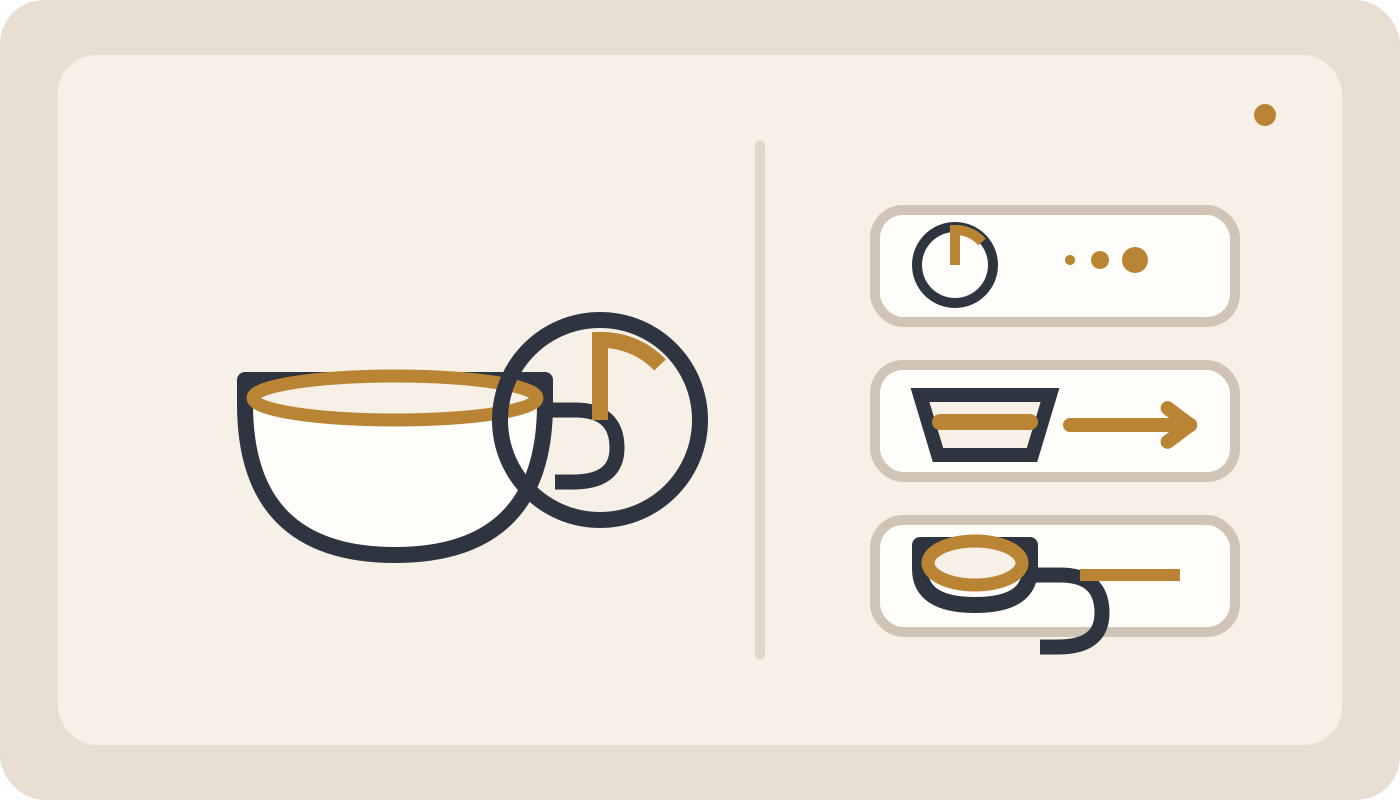
Sharp sourness is often associated with under-extraction. If the shot is fast, move the grind only one step finer, then check beverage ratio, full machine warm-up, distribution uniformity and the coffee's natural profile.
Where should you start?
Why can espresso taste sour?
Sharp, underdeveloped sourness usually means extraction stopped before the cup reached balance or the water did not dissolve enough material from the coffee. Some coffees naturally have bright fruit acidity, so the goal is to separate pleasant acidity from harsh sourness caused by an unbalanced extraction.
Baseline test: if the shot is both sour and very fast, start with Article 004. If flow time looks reasonable but the cup still tastes sharp and underdeveloped, check temperature, brew ratio, coffee freshness and puck uniformity.
1. The grind is too coarse
A coarse grind lowers puck resistance and lets water pass too quickly, leaving early extraction compounds dominant. Move only one step finer and compare the next shot with the same dose and tamping method.
2. Contact time is too short
If the stream starts very early and the shot finishes quickly, under-extraction becomes more likely. Do not chase one universal time target; evaluate time together with taste, flow and beverage ratio.
3. Water temperature is too low for the coffee
Low temperature can limit the extraction of sweeter and deeper compounds. If the machine provides temperature control, make small changes. On machines without temperature control, allow the machine to warm fully according to its instructions instead of brewing immediately after power-on.
4. The beverage ratio is too short
Stopping the shot too early can leave the cup acidic and unfinished. Increase beverage yield slightly and compare the taste, while avoiding excessive extension that can create bitterness and dilution.
5. Uneven distribution is causing channeling
When water finds only a few low-resistance paths, some areas of the puck are over-extracted while others remain under-extracted. The cup can taste sharp, thin and inconsistent at the same time. Even distribution, a level surface and a straight tamp improve repeatability.
6. The coffee is extremely fresh and still releasing a lot of gas
Very fresh coffee can release substantial carbon dioxide and make extraction less stable. If the issue began with a newly opened roast, appropriate resting time for that coffee and a fresh grinder adjustment may improve the result.
7. The roast profile or origin is naturally brighter
Lighter roasts and some origins naturally carry more acidity. Clean, fruity, sweet acidity is not the same as harsh, green or vinegar-like sourness. If the shot is balanced but still bright, that character may belong to the coffee itself.
8. The machine or portafilter is not fully warmed
A cold group, portafilter or cup can reduce the actual extraction temperature. Follow the manufacturer warm-up guidance and, when permitted, keep the portafilter installed while the machine heats.
Recommended correction sequence
Check flow speed first. If the shot is fast, move one step finer. Then review beverage ratio, full machine warm-up and distribution uniformity. Finally, consider the natural character of the bean and roast. Change only one variable at a time.
How is harsh sourness different from good acidity?
Desirable acidity is usually bright, fruity and supported by sweetness and a balanced finish. Under-extracted sourness is more likely to taste sharp, unripe, aggressively citrus-like, hollow or even slightly salty. Shot time alone is not the final judge; taste and repeatability matter more.
Separate unpleasant sourness from natural acidity
Bright fruit acidity can be desirable. Under-extracted sourness is usually sharp, immature, and accompanied by low sweetness or weak body.
Check flow, brew ratio, temperature readiness, distribution, and coffee freshness before assuming a machine fault.
Common mistakes
Change only one variable at a time while diagnosing.
- Do not change several grind steps at once.
- Do not judge quality from shot time alone.
- Do not raise temperature excessively just to remove all acidity.
- Do not change several variables at the same time.
- Do not assume natural coffee acidity is a machine fault.
- Do not evaluate the shot before the machine is fully warmed.
Frequently asked questions
Why does my espresso taste sour?
The most common reason is under-extraction. A coarse grind, short contact time, low temperature or short beverage ratio can contribute.
Will grinding finer always fix sour espresso?
No. If the shot is already slow, grinding finer may create another problem. Check flow speed and beverage ratio as well.
Are light roasts naturally sour?
Light roasts often have more acidity, but pleasant acidity should be supported by sweetness and clarity rather than tasting harsh or unripe.
Can insufficient machine warm-up affect taste?
Yes. A cold group and portafilter can reduce actual extraction temperature and shift flavor balance.
What should I do if espresso is both sour and fast?
Start with Article 004. That combination commonly points to low puck resistance and under-extraction.
Related guides and products
Still having the problem?
If safe user-level checks do not solve the issue, do not open the appliance. Submit a service request for technical inspection.