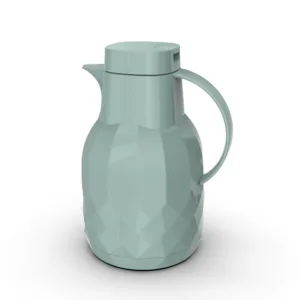
How to Carry Hot Drinks Safely in a Flask
Carry hot drinks safely by checking the lid and gasket, avoiding overfilling, keeping the flask upright and secure, and opening it carefully away from steam and hot liquid.
Inspect the lid and gasket, do not overfill, dry the exterior, close the lid fully, and keep the flask upright and secure. Test for leakage with lukewarm water. When opening after transport, use a stable surface and keep your face and hands away from steam and hot liquid.
Before you start
How to Carry Hot Drinks Safely in a Flask
Carrying a hot drink in a flask is not only about temperature retention. Preventing burns, leakage, accidental lid opening, tipping, and unsafe internal pressure matters more. The flask should be intact, suitable for the beverage temperature, filled within its allowed level, and fully closed. During transport, an upright and secure position is generally safest unless the manufacturer specifically approves horizontal transport.
Quick answer: Check the lid and gasket before leaving, do not overfill, dry the exterior, close the lid completely, and keep the flask upright and secure. Test for leakage with lukewarm water rather than very hot liquid. After transport, place the flask on a stable surface before opening and keep your face and hands away from the path of steam and hot liquid.
Quick pre-transport checklist
| Check | Why it matters | Action |
|---|---|---|
| Lid and gasket | Prevents leakage | Clean, intact, correctly installed |
| Fill level | Reduces contact with lid and pressure effects | Stay below the permitted maximum |
| Exterior surface | Reduces slipping | Dry the body and lid |
| Transport position | Reduces leakage risk | Keep upright unless otherwise approved |
| Beverage temperature | User safety and product compatibility | Stay within the model’s allowed range |
1. Confirm the flask is intended for hot beverages
Not every insulated container is designed for the same temperature range. Check the product instructions before filling.
2. Do not use a damaged flask for hot liquid
A cracked lid, damaged gasket, severe dent, or damaged glass liner can increase leakage or breakage risk. Inspect first if the flask has been dropped or damaged.
3. Inspect the lid and gasket
The gasket should be clean, intact, and correctly seated. Threads and sealing surfaces should be free of residue.
4. Do not overfill
Filling above the permitted level allows hot liquid to remain in direct contact with lid passages and sealing areas, increasing the chance of leakage during movement.
5. Leave the required headspace
Use the maximum fill line where provided or follow the product instructions for the correct fill level.
6. Wipe the flask mouth before closing
Remove tea or coffee from the sealing lip before fitting the lid. Liquid on the seal can contribute to leakage.
7. Close the lid straight and fully
A screw lid should engage the threads squarely. Close it to the normal designed stop without cross-threading.
8. Over-tightening is not safer
Excessive force can distort gaskets or stress plastic threads. Correct sealing matters more than maximum force.
9. Dry the exterior
A wet or greasy flask can slip from the hand. Dry the body and lid before placing it in a bag or vehicle.
10. Use lukewarm water for a first leak check
If the flask is new or the lid has just been reassembled, test with lukewarm water first to reduce burn risk.
11. Upright transport is the safest general position
Unless the manufacturer approves horizontal carrying, keep the flask upright. Lying down keeps liquid in continuous contact with lid passages.
12. Secure the flask inside a bag
Do not let it roll freely. Use an upright sleeve, divider, or holder that reduces tipping and impact.
13. Keep it away from electronics and documents
Even a good flask can leak after impact or incorrect closure. Avoid placing it next to laptops, phones, or important papers.
14. Use a stable holder in a vehicle
Choose a location that prevents the flask from becoming a projectile during braking or cornering.
15. Do not place it loose on the dashboard
Sloped and slippery surfaces are unsuitable for hot-drink transport.
16. Avoid leaving it in intense vehicle heat
High cabin temperatures can heat external components and place additional stress on plastics and seals.
17. Do not carry the full weight by the lid unless designed for it
Use the main handle or body unless the lid is specifically designed as a carrying handle.
18. Children should not carry very hot flasks
Weight, slipping, and accidental opening create unnecessary burn risk.
19. Keep the flask away from table edges
During stops, place it on a flat, stable surface away from edges where it could be knocked over.
20. Let the flask settle before opening
After vigorous movement, place it on a stable surface before opening for better control of steam and liquid.
21. Keep your face away from the opening
Open hot-drink containers slowly and avoid positioning your face directly above the mouth.
22. Keep hands away from a pump-flask outlet
Place the cup under the spout and keep skin away from the direct liquid path.
23. Lock a pump flask before transport
If the pump has a lock, engage it before moving the flask to prevent accidental activation.
24. Verify the pump lock works
Check that the button or lever cannot move in the locked position, preferably using a safe-temperature test.
25. Carbonated drinks need special consideration
Do not use carbonated drinks unless the manufacturer explicitly approves them. Internal pressure can affect lid behavior and opening safety.
26. Fermenting liquids are also unsuitable
Liquids that generate gas can raise internal pressure. Use only beverages appropriate for the product.
27. Do not place the flask in a freezer or on direct heat
Use the flask only within the conditions intended by the manufacturer. Extreme external heating or freezing can damage seals and structure.
28. Preheat carefully
Preheating can improve temperature retention, but glass-lined flasks require protection from abrupt thermal shock.
29. Do not leave if you see leakage
Correct the cause first. Cleaning the gasket, reseating it, or lowering the fill level may solve the problem.
30. Inspect after a drop
Check the body, lid, and sealing area before continuing use. Glass-lined models deserve extra caution after impact.
31. Unusual outer-body heat needs attention
If the main exterior becomes clearly and unusually hot, insulation performance may be compromised.
32. If the bag or holder becomes wet
Do not assume the moisture came from outside. Inspect the lid, gasket, and outlet before carrying hot liquid again.
33. Choose a practical capacity for long trips
An oversized, heavy flask is harder to control. Match capacity to expected consumption and transport conditions.
34. Consider the full weight
A large flask becomes significantly heavier when filled. Handles, bags, and holders must support the actual filled weight.
35. Stop the vehicle before serving
Pouring very hot liquid in a moving vehicle is unsafe. Stop in a safe location before opening and serving.
36. Bring an appropriate cup
Use a stable cup with enough capacity to avoid overflow.
37. Check drink temperature before drinking
Excellent insulation may keep the beverage hotter than expected. Test before drinking directly.
38. A safe routine before leaving
- Inspect lid and gasket.
- Fill only to the permitted level.
- Dry the mouth and exterior.
- Close the lid straight and fully.
- Engage the pump lock if present.
- Secure the flask upright.
- Keep sensitive items separate.
39. If you must carry it in a bag
| Better practice | Poor practice |
|---|---|
| Use an upright compartment | Let the flask roll loose |
| Separate it from electronics | Place it beside a laptop or documents |
| Dry the exterior first | Put a wet flask into the bag |
| Lock the pump | Leave the pump freely pressable |
40. When should you avoid carrying a hot drink?
Do not carry hot liquid if the lid leaks, the gasket is damaged, the body or inner vessel is compromised, the pump lock does not work, or liquid escapes from an abnormal area.
Common mistakes
- Overfilling the flask
- Carrying horizontally without manufacturer approval
- Leaving the flask loose on a vehicle seat
- Placing it next to electronics or documents
- Opening with the face close to the mouth
- Testing leakage with extremely hot water
- Transporting a pump flask without engaging its lock
- Ignoring a cracked gasket or lid
- Serving hot drinks in a moving vehicle
- Continuing transport after leakage is noticed
Conclusion
Safe hot-drink transport depends on three things: sealing, flask condition, and transport position. The lid and gasket must be healthy, the flask should not be overfilled, and upright secure transport is usually best. At the destination, place it on a stable surface before opening and keep hands and face away from steam and hot liquid. If leakage or damage appears, correct the problem before carrying hot beverages again.
Common mistakes
Change only one variable at a time while diagnosing.
- Do not overfill the flask.
- Do not carry horizontally without manufacturer approval.
- Do not leave the flask loose on a vehicle seat.
- Do not place it next to electronics or documents.
- Do not open it with your face close to the mouth.
- Do not test leakage with extremely hot water.
- Do not transport a pump flask without engaging its lock.
- Do not ignore cracked gaskets or lids.
- Do not serve hot drinks in a moving vehicle.
- Do not continue transport after leakage is noticed.
Frequently asked questions
What is the safest general position for carrying a hot flask?
Upright and secure is generally safest unless the manufacturer approves horizontal transport.
How full should the flask be?
Stay below the marked maximum or the fill level specified by the manufacturer.
How can I test for leaks before a trip?
Use lukewarm water and check the seal in the normal intended position without aggressive shaking.
How should I carry a pump flask?
Engage the pump lock if present and keep the flask upright and secured.
Can I put the flask next to a laptop in my bag?
It is better not to; even minor leakage can damage sensitive items.
What should I do after dropping the flask?
Inspect the lid, gasket, mouth, and on glass-lined models the inner vessel before reuse.