
Troubleshooting & FAQاسپرسوساز
Why Does Water or Coffee Leak Around the Portafilter?
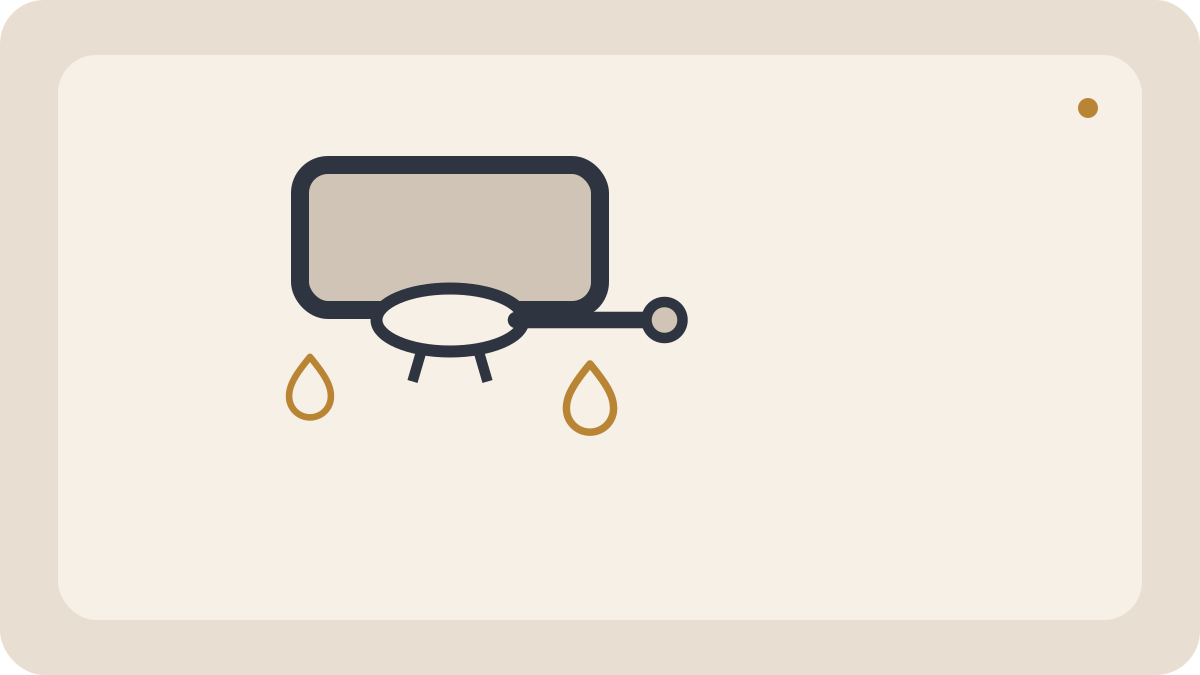
Leaks around the portafilter usually come from incomplete locking, coffee on the basket rim, excessive dose, a worn group gasket, or excessive pressure.
8 min read
Troubleshooting & FAQ
How to Use
Home Care
Recipes
Buying Guides
Compare & Learn
Leaks around the portafilter usually come from incomplete locking, coffee on the basket rim, excessive dose, a worn group gasket, or excessive pressure.
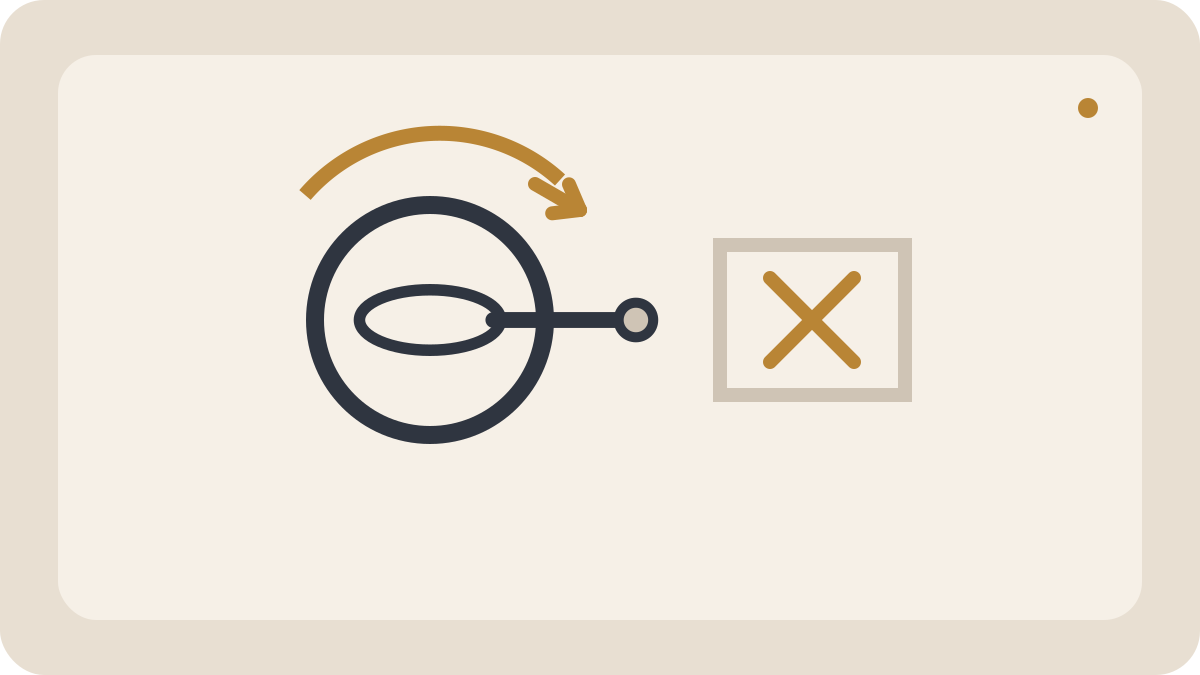
If your portafilter is difficult to lock, check coffee dose, basket rim cleanliness, basket seating, the group gasket, and the locking channels before applying more force.
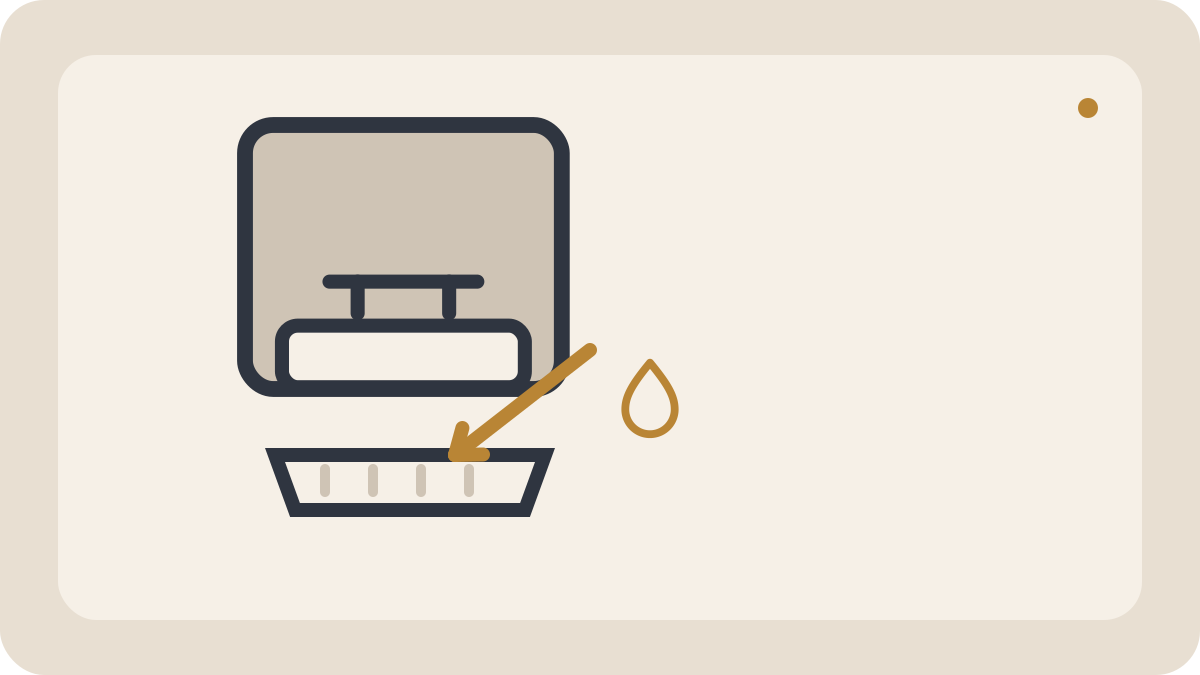
Some water in the drip tray after extraction can be completely normal. Timing, volume, and whether water continues collecting while idle help distinguish normal pressure release from a fault.
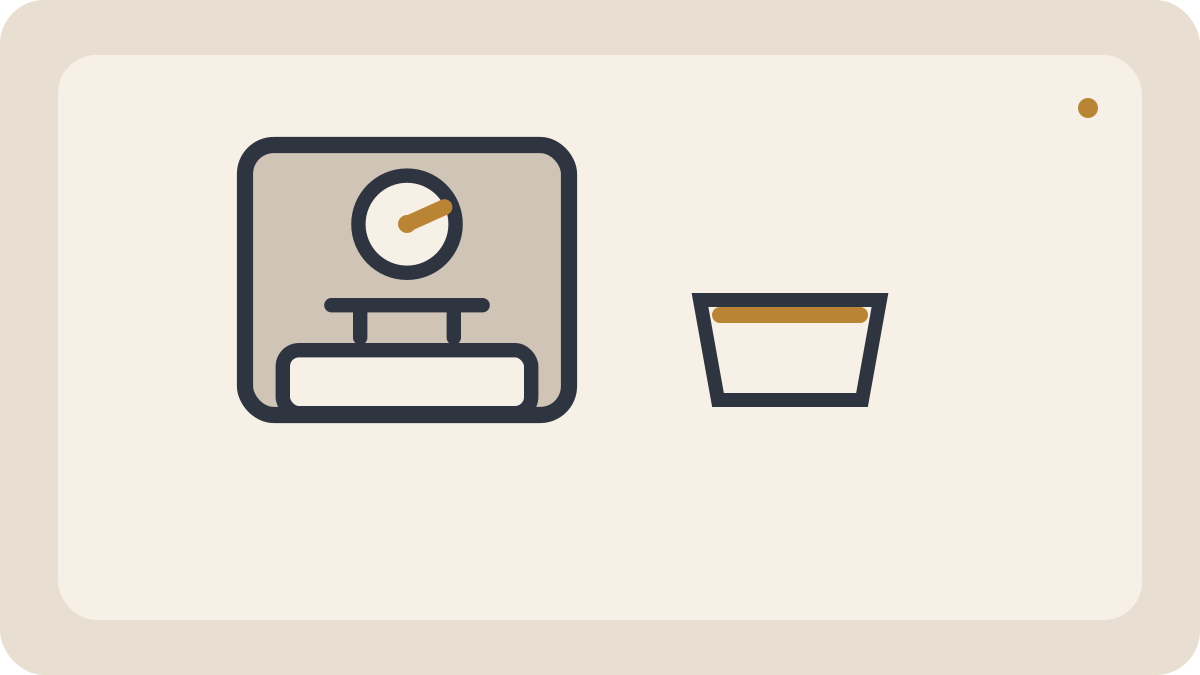
High espresso pressure usually points to excessive resistance. Check an overly fine grind, excessive dose, puck preparation, blocked basket holes, and scale buildup.
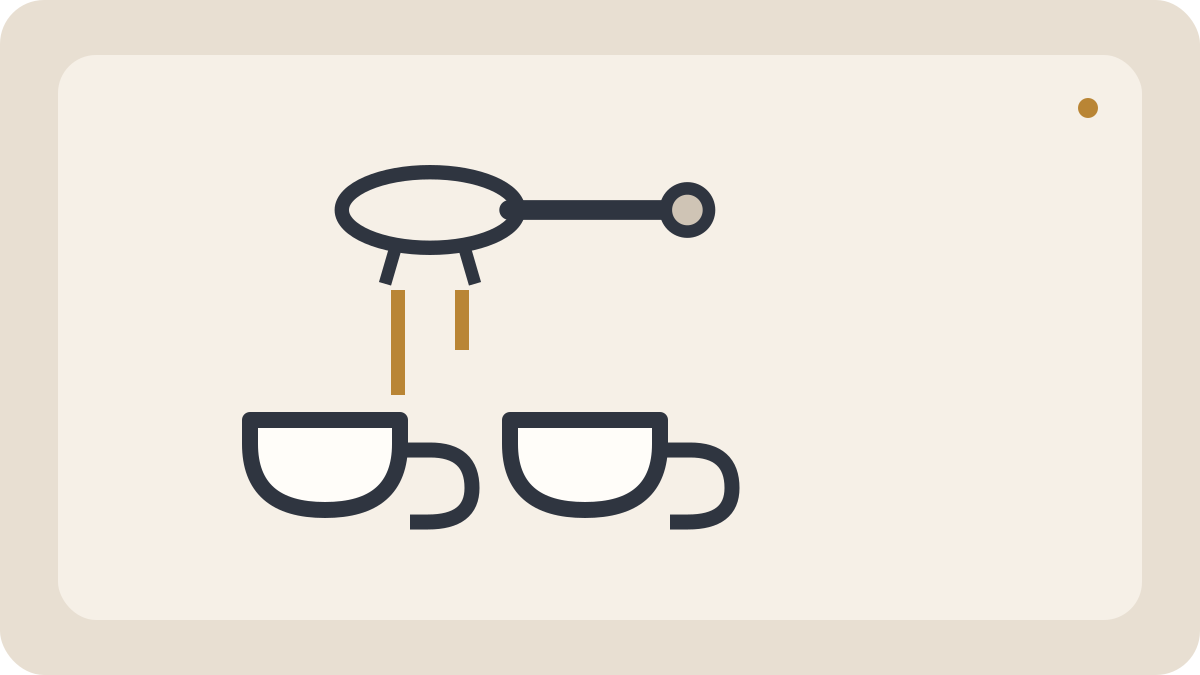
Uneven output from two portafilter spouts is often related to machine level, outlet blockage, coffee distribution, or tilted tamping rather than pump pressure alone.
If your espresso machine suddenly sounds different, check the water tank, trapped air, surface stability, loose parts, grind and dose, scale, and pump performance.
If your espresso is lukewarm, check warm-up time, cup and portafilter temperature, beverage volume, and scale before assuming the machine has failed.

Better microfoam depends on more than steam power. Milk temperature, steam tip depth, controlled aeration, circulation, and wand cleanliness all matter.
If your espresso machine steam wand is weak or produces no steam, check steam temperature, water supply, a blocked steam tip, purging, and scale buildup first.
If your espresso machine is leaking, identify the exact source first. Common causes include the portafilter seal, group gasket, water tank, drip tray, steam valve, and internal fittings.
If your espresso tastes thin or weak, check dose, grind size, beverage yield, coffee freshness, distribution, brewing temperature, basket fit, and machine performance in a controlled order.
If the machine powers on but no coffee comes through the portafilter, check the water tank, priming, grind size, dose, basket blockage, scale buildup and pump operation in a logical order.
If espresso tastes harshly bitter, burnt or drying, check an overly fine grind, slow flow, high temperature, a long beverage ratio, dark roast and coffee residue one step at a time.
If espresso tastes sharply sour or underdeveloped, check grind size, flow time, water temperature, beverage ratio, puck distribution and the coffee's natural profile one step at a time.
If espresso drips very slowly instead of forming a steady stream, check grind size, dose, distribution, tamp, basket cleanliness and water flow before assuming the machine has failed.